2026 Top Mini Piezo Sirens What Buyers Need to Know?
As the demand for compact and efficient alert systems rises, understanding the nuances of Mini Piezo Sirens becomes crucial. Research indicates that the global siren market is expected to reach $2 billion by 2027, with miniature options gaining popularity due to their versatility. Mini Piezo Sirens, known for their reliability and high sound output, are commonly used in alarms, security systems, and automotive applications.
However, potential buyers should navigate this evolving market carefully. It is essential to consider factors such as operating voltage, sound frequencies, and installation requirements. A notable statistic shows that 75% of customers prioritize durability and sound clarity in their purchases. Yet, many products fall short in these areas, leading to buyer regret.
Additionally, while technology advances, the need for proper integration is often overlooked. Without proper installation, even the best Mini Piezo Siren may underperform. Understanding these challenges can empower users to make informed decisions, ensuring they choose the right siren tailored to their specific needs.
Understanding Mini Piezo Sirens: A Buyer’s Guide
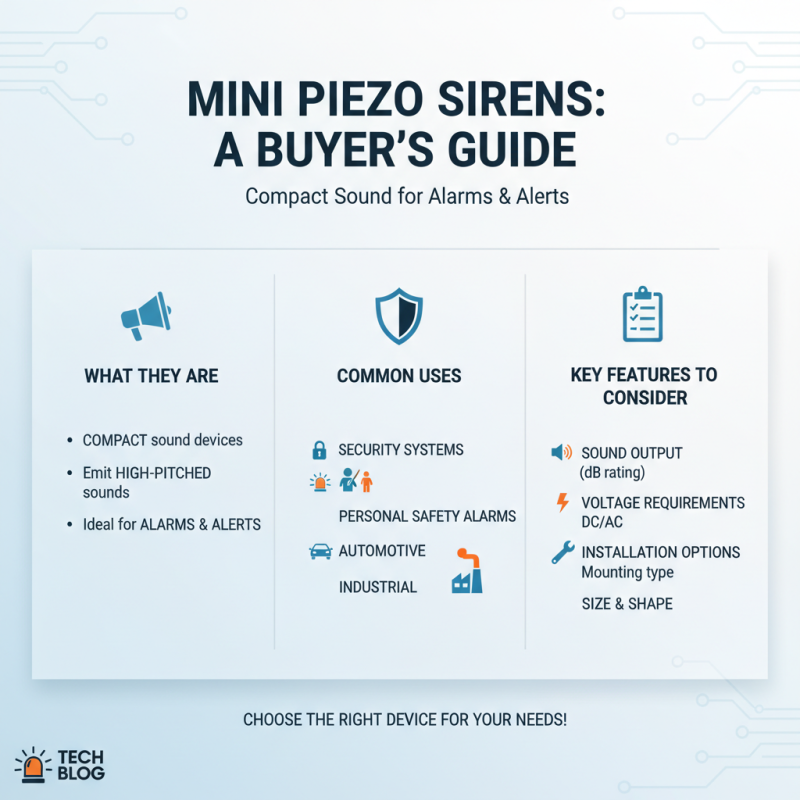
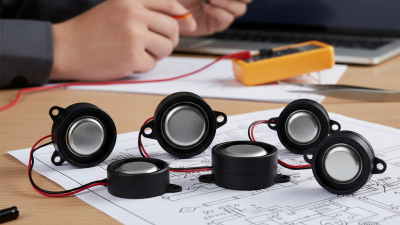
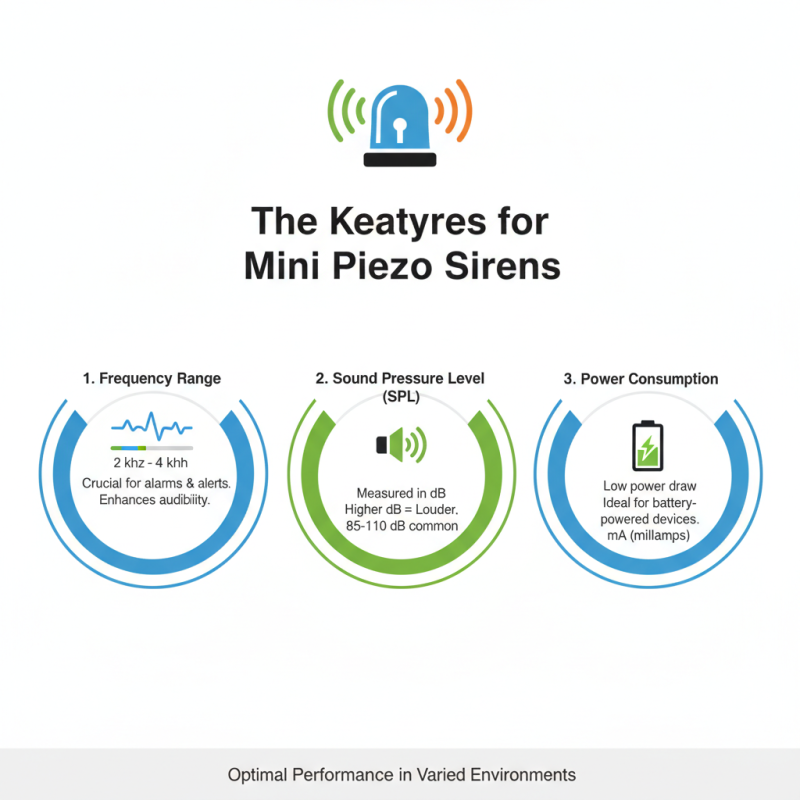
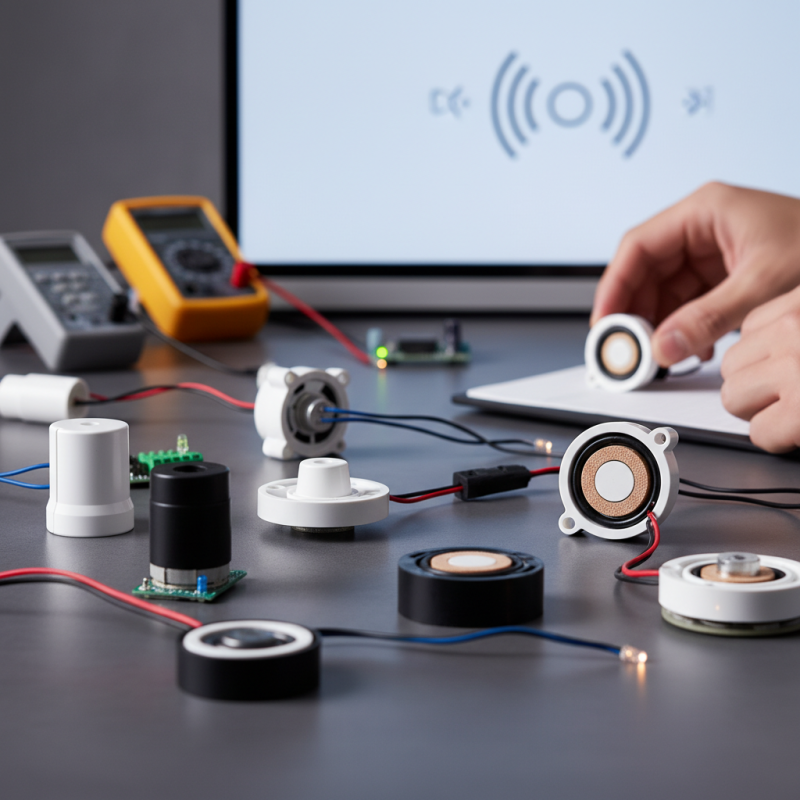
Mini piezo sirens are compact sound devices commonly used for alarms and alerts. These devices emit high-pitched sounds, making them effective for various applications, including security systems and personal safety alarms. When considering a purchase, buyers should focus on key features such as sound output, voltage requirements, and installation options. Understanding these parameters is crucial to selecting the right device for specific needs.
Choosing the correct mini piezo siren can be challenging. Many buyers may overlook the importance of decibel levels. A siren that is too quiet may fail to alert others effectively. Installation ease is another factor; some models require complex setups, while others are straightforward. Reflecting on previous purchases can guide future decisions. Consider what worked well and what did not. It’s also essential to research different designs and technologies. Not all sirens are built the same, and performance can vary significantly. Always seek information from trusted sources to ensure a reliable purchase.
Top Brands and Models of Mini Piezo Sirens in 2026
In 2026, the mini piezo siren market showcases significant advancements. These compact devices deliver powerful sound output in a small form factor. According to industry reports, mini piezo sirens can produce sound levels reaching up to 120 dB, making them suitable for various applications, including alarms and signaling systems. Brands are continually enhancing efficiency and durability, emphasizing the importance of reliable materials in manufacturing.
When selecting a mini piezo siren, buyers should consider factors such as power consumption and size. Some models offer energy-saving features without compromising performance. Recent analyses indicate that high-efficiency sirens can operate with 20-30% less energy than traditional models. This not only reduces operational costs but also extends the lifespan of the device.
Users often overlook installation considerations. Proper placement can dramatically affect sound coverage. While mini piezo sirens are designed for ease of integration, it’s crucial to evaluate the environmental conditions, including temperature and moisture. This aspect often requires further study and adjustment post-installation. Understanding these nuances can make a significant difference in overall performance and reliability.
2026 Top Mini Piezo Sirens What Buyers Need to Know?
| Model |
Operating Voltage (V) |
Sound Output (dB) |
Frequency (kHz) |
Size (mm) |
Weight (g) |
| Model A |
12 |
110 |
3.5 |
30 x 20 |
15 |
| Model B |
24 |
120 |
2.8 |
25 x 15 |
10 |
| Model C |
12 |
95 |
4.0 |
40 x 25 |
20 |
| Model D |
24 |
130 |
3.0 |
35 x 18 |
12 |
| Model E |
12 |
100 |
3.2 |
30 x 20 |
18 |
Applications of Mini Piezo Sirens: Where and How They Are Used
Mini piezo sirens are increasingly essential in various applications. Their compact size and distinct sound make them ideal for alarms, notifications, and alerts. You'll find them in smoke detectors, security systems, and even appliances like washing machines. This versatility is due to their efficient design and ability to operate on low power, making them a reliable choice for many industries.
In outdoor settings, mini piezo sirens serve vital roles. Emergency alert systems employ them to warn communities of natural disasters. Their high decibel output ensures that the sound penetrates through ambient noise. Additionally, these sirens are often used in automotive applications for backup alarms or warning lights. Users appreciate their robust performance, but it's essential to consider installation and environmental factors. Weather conditions can affect their sound projection and durability, requiring periodic evaluation.
While mini piezo sirens generally perform well, some users report variability in sound quality. Factors such as temperature changes and humidity can impact performance. Regular testing and maintenance are crucial for ensuring reliability. As you explore options, keep in mind the specific requirements of your application. Understanding the limitations and strengths will lead to better outcomes. Make informed decisions to enhance your safety measures and alert systems.