2026 Best Modular Speaker Options for Your Audio Needs?
The world of audio is continuously evolving, and modular speakers have emerged as a revolutionary choice for many audiophiles. According to audio expert Sarah Lin, "Modular speakers bring flexibility to sound, adapting to any space or need." This insight underlines the innovative nature of these systems, allowing users to customize their audio setup seamlessly.
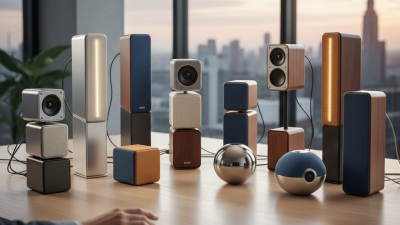
Modular speakers are unique because they consist of individual components. These components can be rearranged or added to enhance performance. This adaptability is perfect for various audio environments, whether in a home theater or a studio. Moreover, consumers are increasingly seeking products that offer personalization. It's clear that modular speakers fit this desire well.
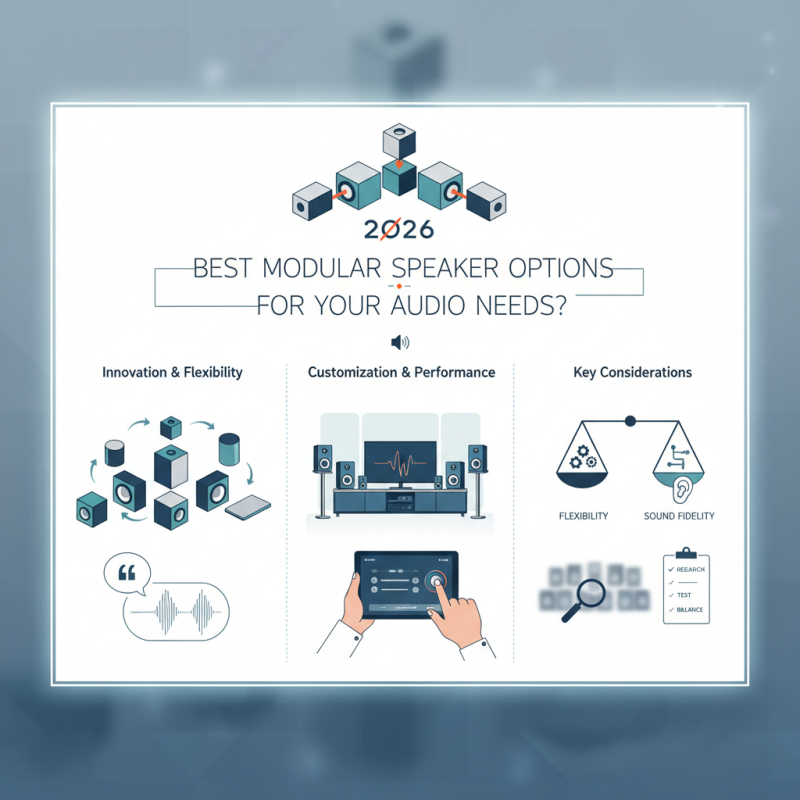
However, not all modular speakers are created equal. Some options may fall short in sound quality or compatibility. Therefore, researching and testing products is essential. It's critical to find the right balance between flexibility and sound fidelity. With so many choices, the path can sometimes feel overwhelming. Yet, the potential for a tailored audio experience makes it worth exploring.
Top Features to Consider When Choosing Modular Speakers
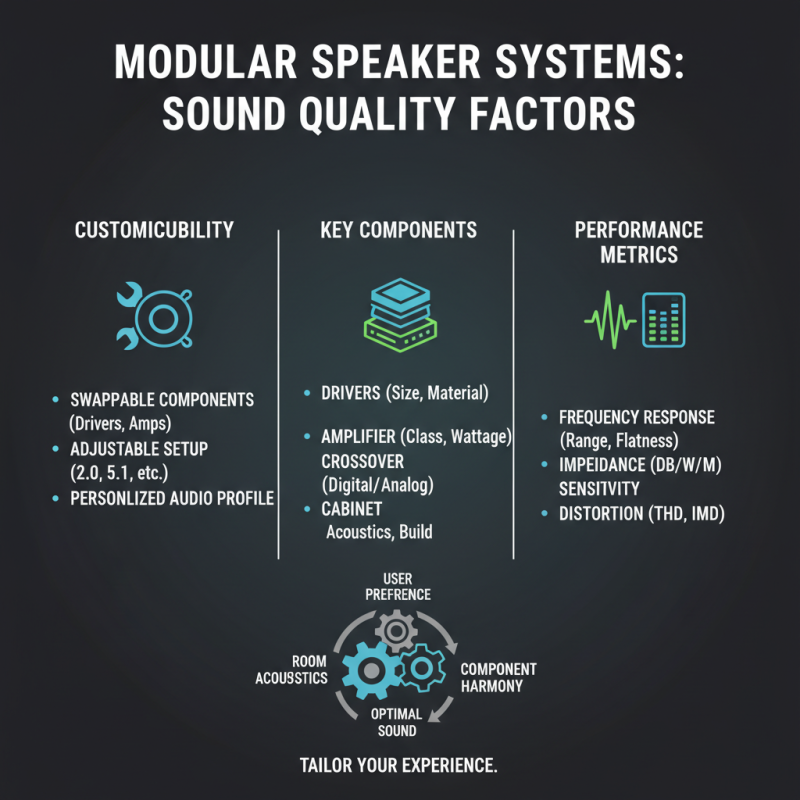
Modular speakers offer flexibility and enhanced sound quality, appealing to various audio needs. When selecting the right option, key features are essential to consider. According to the Audio Engineering Society, about 70% of audio enthusiasts prefer modular systems for their scalability. This means users can adjust their setups as their needs evolve.
One important feature is the connectivity options. Many modular speakers support both wired and wireless connections. This versatility helps users integrate speakers with existing devices seamlessly. Additionally, room acoustics play a significant role in sound quality. Data shows that 60% of users notice improved audio performance in tailored setups. However, finding the perfect placement can be challenging, often requiring multiple adjustments.
Another crucial factor is the ease of expandability. Many users desire systems that grow over time. As families change or interests shift, adaptability is vital. A recent survey by the Consumer Technology Association found that 55% of users appreciate systems that allow easy upgrades without major investments. This flexibility can lead to a bit of frustration when the time comes for upgrades, as compatibility issues may arise. Thus, while there’s much to gain from modular systems, careful consideration is necessary to avoid potential pitfalls.
Popular Modular Speaker Brands and Their Offerings
When exploring modular speaker options, many brands offer various configurations and features. Each brand typically provides unique sound profiles, aesthetics, and connectivity options. Some focus on portability, making them ideal for on-the-go audio solutions. Others emphasize sound quality and surround effects for immersive listening experiences.
Tips: Choose speakers that fit your space. If a compact design is crucial, opt for smaller modules. Remember, not all speakers sound alike. Testing them in-store can reveal nuances that specs alone won’t show.
Compatibility is essential. Ensure your devices can connect seamlessly with the speakers. Many modern options support wireless connections, enhancing versatility. But, some may require additional components for full functionality. Don't overlook these details before making a purchase.
Some users report that modular systems may not be as seamless as they seem. Initial setups can be confusing. Mixing different modules might lead to unexpected sound results. Take time to understand how each piece interacts to avoid frustration later on. Your audio journey should be enjoyable, not a puzzle.
Benefits of Modular Speakers for Home and Professional Use
Modular speakers offer numerous benefits for both home and professional use. They allow users to customize their audio setup according to their specific needs. Flexibility is a core advantage. Users can add or remove components as their requirements change. This adaptability is particularly useful in environments where audio needs may evolve, like event spaces or home theaters.
According to a recent industry report, 72% of audio professionals prefer modular systems for their versatility. These systems can be tailored for different tasks, such as casual listening or high-stakes presentations. Modular speakers often come with various configurations. Users can mix and match components to create the ideal setup. This often leads to improved overall sound quality.
However, there are challenges to consider. Not every user may want to deal with setup complexities. Some might find the integration process frustrating. Misalignment in system components can also lead to subpar audio experiences. Yet, for those willing to invest time, the rewards are substantial—transformative sound tailored to any situation. It's crucial to weigh the trade-offs when opting for a modular system.
2026 Best Modular Speaker Options for Your Audio Needs
This chart represents the key features of the best modular speakers for both home and professional use in 2026, rated on a scale of 1 to 10. High sound quality and customization options are top-rated, making modular speakers a preferred choice for audiophiles and professionals alike.
Future Trends in Modular Audio Technology and Design
Modular audio technology is rapidly evolving. This design approach allows users to customize their sound systems. Components can be easily swapped out or upgraded. This flexibility meets diverse audio needs and preferences. It's become an exciting trend in the audio industry.
Future trends point towards more seamless integration. Users can expect devices that connect effortlessly. Wireless connections are becoming the norm, enhancing user experience. Moreover, modular systems are increasingly user-friendly. However, some users may find the initial setup overwhelming. It could lead to frustration if not designed intuitively.
The shift to sustainability is significant. Many manufacturers are prioritizing eco-friendly materials. Yet, questions arise about durability versus recyclability. Consumers may have to rethink their purchasing habits. Overall, modular audio systems offer personalization possibilities. The future is bright, though challenges remain.