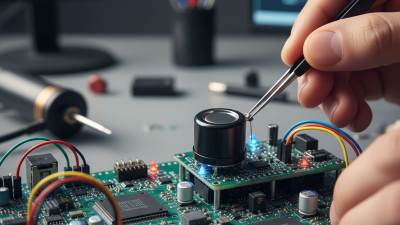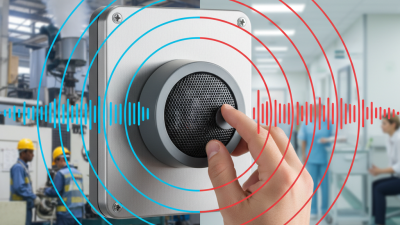
Choosing the best Mini Speaker Module supplier in China is not just a price comparison. OEM buyers must match acoustic performance, size, power handling, and connection requirements to the final product. A module that fits a prototype may still sound different inside a sealed speaker cavity. Small details matter.
Before requesting quotations, prepare a clear specification. Include the enclosure dimensions, target impedance, rated input, connector type, and expected operating conditions. Ask whether the supplier can provide samples, test data, and documented production controls. Then evaluate speech clarity, distortion, and output at realistic listening distances—not only in a quiet showroom. That is where surprises appear.
A reliable supplier should answer technical questions directly and explain where its standard design may not fit. Ask how revisions are managed, how incoming materials are checked, and whether production batches are tested consistently. Communication matters too. A delayed answer during sampling can signal a process problem, though it is not proof by itself. No single checklist guarantees a good partnership. Buyers should compare evidence, inspect samples, and confirm requirements before approving production. Even careful testing has limits: the finished device, enclosure, and assembly method can change the sound. Keep that in mind when comparing suppliers, and treat early results as useful evidence—not a promise of identical performance at scale.
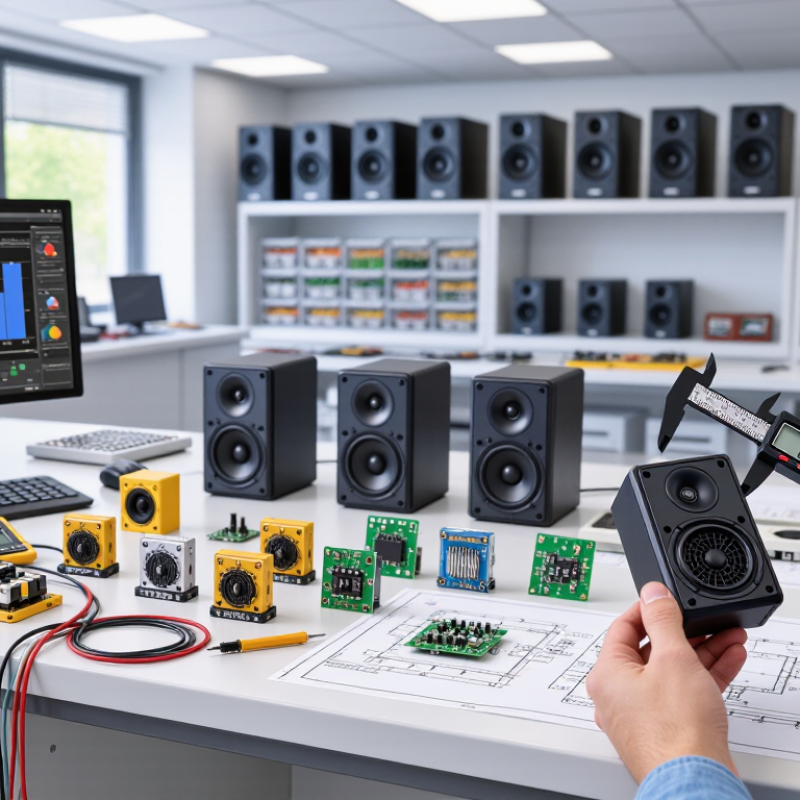
A mini speaker module combines a small driver with the parts needed to mount and connect it. The driver typically contains a diaphragm, voice coil, and magnet. A frame, terminals, and sometimes a compact enclosure complete the assembly. Small details matter. A blocked sound port or loose mounting surface can make audio thin or cause rattling.
Design starts with available space, but dimensions are only one constraint. Engineers also check impedance, rated power, sensitivity, and frequency response against the device’s amplifier and intended use. Test the module inside its actual housing; an open-bench result may not predict finished performance. In prototype checks, a soft gasket can reduce vibration between the frame and plastic case. It is a small fix, not a cure for every acoustic problem.
These modules appear in handheld instruments, wearable devices, intercoms, and compact control panels. Each use has different priorities: clear speech may matter more than deep bass, while a portable product may need lower power draw. Keep vents clear and allow room for wiring and assembly. A tidy CAD model can still mislead. Real housings flex, adhesives vary, and production tolerances can shift the sound a little.
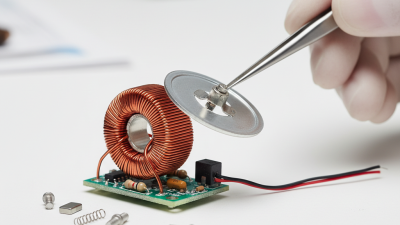
4 Ω, 8 Ω, and 16 Ω are commonly encountered nominal impedance options for compact speaker modules. Impedance is an electrical load, not a measure of loudness. OEM buyers should check amplifier compatibility and confirm each module’s specifications with its supplier.
OEM buyers should define a mini speaker module by its installed performance, not its catalogue dimensions alone. A two-millimeter height difference can affect grille clearance, while a poorly matched enclosure may weaken bass or create rattling. Small details matter.
Specify the maximum footprint, mounting points, connector orientation, operating voltage, and impedance before requesting samples.
The Bluetooth SIG’s 2024 Market Update projects annual Bluetooth device shipments growing from 5.4 billion in 2023 to 7.6 billion by 2028. These figures cover many device categories, not speaker modules alone, but they show why integration and repeatable testing matter at scale.
Ask suppliers for frequency response, sensitivity, and total harmonic distortion measured under stated conditions. Then test the module in your own enclosure, at the intended voltage and listening distance. Test the actual fit.
A datasheet cannot reproduce every housing, grille, or production tolerance. Listen for buzz at bass-heavy passages, and check output after the unit warms up.
Compare samples using the same signal and measurement setup; otherwise, the result may mislead. It is easy to overvalue peak loudness. For OEM qualification, consistent sound, secure mounting, and clear test records are often more useful than a single impressive specification.
China-based mini speaker module suppliers can support more than component sourcing. Many operate driver assembly, PCB integration, enclosure production, and final testing under one roof. Capabilities vary by factory, so OEM buyers should confirm which steps are performed in-house. Ask to see the production flow, not just a capability sheet.
A practical review starts with the sample. Check the module’s dimensions, connector position, and sound at low and high volume. Then ask how the supplier controls diaphragm alignment, soldering, and adhesive application. Small shifts can create rattling or uneven output. Listen in the intended housing, too. An open-bench sample may sound quite different once installed.
Manufacturing strength also shows in repeatability. Request records for incoming material checks, in-process inspections, and final acoustic tests. A supplier should explain how it handles design revisions, tooling changes, and trial production before a larger order. Sample lead times and production capacity deserve written confirmation. Details matter.
Not every factory documents problems equally well; this is worth checking early. A delayed test report may be a minor issue, or it may signal a weak handoff between engineering and production. Ask for a small pilot run and compare several units for fit, noise, and output consistency. A polished sample is useful, but it is not the whole story.
For OEM buyers, a mini speaker module is only production-ready when performance, process control, and documentation align. Ask for frequency-response and impedance results from defined test conditions, not a single “pass” sheet. A supplier should also show how it checks solder joints, tracks component lots, and controls revisions. Small modules leave little room for inconsistent assembly.
The ISO Survey 2023 records more than 1.26 million valid ISO 9001 certificates worldwide. That scale shows how widely quality systems are used, but certification alone does not prove a module will meet your acoustic targets. Request recent inspection records, corrective-action examples, and evidence that test equipment is calibrated. Specifics matter.
Production readiness includes compliance files and a realistic ramp plan. Request current material declarations, change-control records, pilot-run results, and stated monthly capacity. Deloitte’s 2024 Smart Manufacturing Survey found that 86% of surveyed manufacturers expect smart manufacturing to drive competitiveness within five years. That supports digital traceability, but dashboards cannot replace sound process checks. I would still verify traceability with a sample lot, then follow one serial or batch number back to its components and test results. It takes time. It can expose gaps.
OEM mini speaker projects often look simple on a drawing. Yet a few millimeters can affect enclosure fit and perceived loudness. A supplier should confirm module dimensions, mounting points, impedance, rated power, and connector orientation before tooling begins. Ask for frequency-response data measured under stated conditions, not just a headline range. Small details matter. Request samples from the intended production line, then compare voice clarity, rattling, and output across several units. Listen again. A quiet room can hide problems that appear inside a plastic housing.
Evaluate how the supplier manages changes and quality checks. Ask how incoming components are inspected, how production batches are tracked, and what happens when a sample fails. Check whether the team can explain tolerances in plain language and provide consistent test records. A spreadsheet helps, but it can create false confidence; physical testing still matters. No sample tells the whole story. Test the speaker in your actual enclosure, at realistic volume, and after repeated use. Also confirm lead times, minimum order quantities, and packaging details in writing. These checks may feel tedious, but unclear connector or acoustic requirements can cause costly rework later. A supplier’s response to a specific technical question can reveal more than a polished product sheet.