How to Choose the Right Buzzer PCB Mount for Your Project in 2026?
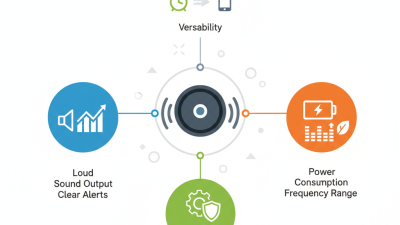
Choosing the right Buzzer PCB Mount for your project in 2026 can significantly impact product functionality and user experience. The global demand for smart electronics continues to rise, projected to reach $1.1 trillion by 2026, according to industry reports. As more devices incorporate audible alerts, selecting the appropriate Buzzer PCB Mount is crucial for ensuring efficient sound output and integration.
In 2026, advancements in manufacturing technology and materials will enhance the performance of Buzzer PCB Mounts. Suppliers at prominent trade shows, like the Canton Fair, leverage AI for smart navigation and precise supplier filtering. This ensures wider access to manufacturers that meet quality standards, such as ISO and CE certifications. Efficient supplier selection processes can save time and lead to better procurement choices.
While many options exist, not all Buzzer PCB Mounts meet specific project requirements. Understanding the acoustical characteristics and dimensions is vital. A failure to adequately assess these factors may result in suboptimal sound performance. Engaging with suppliers at industry events can offer insights that help avoid common pitfalls in selection. As the market evolves, staying informed becomes necessary for making the right choice.

Understanding Buzzer Types: Piezo vs. Electromagnetic Models
When choosing a buzzer PCB mount, understanding the differences between piezo and electromagnetic models is crucial. Piezo buzzers use a piezoelectric element to create sound. They are typically smaller and consume less power. This makes them ideal for compact devices. You can find them in alarm systems and even small toys. Their crisp, clear tones can be appealing in specific applications.
On the other hand, electromagnetic buzzers operate using a magnetic coil. They can produce a wider range of sounds. However, they generally require more power. This can be a drawback for battery-operated devices. Electromagnetic buzzers are often found in larger appliances. Their sound can be more robust, but they might take up more space.
Both types have their strengths and weaknesses. Consider your project’s space and power requirements. Reflect on the type of sound you need. A piezo buzzer might not be loud enough for a large machine, while an electromagnetic model could be too energy-intensive for a portable device. Balancing these factors can lead to better decisions and project outcomes.
Evaluating Your Project Requirements: Size, Sound, and Power Needs
Choosing the right buzzer PCB mount requires a deep understanding of your project requirements. Start by assessing the size constraints. Buzzer dimensions vary. Some projects need compact models, while others can accommodate larger components. Measure the available space in your design. An oversized buzzer might not fit, leading to design flaws.
Next, consider the sound requirements. Different applications have unique audio needs. For instance, alarm systems may require loud, piercing tones. Meanwhile, notification sounds might need to be softer. Test various sound levels during your selection process. What works for one project might not work for another.
Power needs are equally important. Buzzer power ratings vary widely. Some operate on low voltage, while others need more. Check your project’s power source. Using a buzzer that demands higher voltage can result in inefficiency. Think about energy consumption too. Aim for a balance between power needs and overall efficiency. This consideration can positively impact your final design.
Analyzing Mounting Options: Through-Hole vs. Surface Mount Techniques
When selecting a buzzer PCB mount, a pivotal choice lies between through-hole and surface mount techniques. Through-hole mounting has long been favored for its mechanical strength, especially in applications needing durability. Research indicates that around 30% of new designs still opt for through-hole due to better resistance to vibration and shock. These characteristics make through-hole components ideal for environments that demand higher reliability.
On the other hand, surface mount technology (SMT) offers several advantages. The SMT process can often yield a more compact design, allowing for smaller products. A survey from industry analysts reveals that over 70% of modern circuit boards now utilize SMT. This shift has led to increased production efficiency and lower manufacturing costs. However, designers must reflect on the trade-offs. While SMT can save space, it sometimes sacrifices ease of repair and replacement.
Deciding between these two methods causes concern. SMT components can be challenging to handle and may need specialized equipment. Many engineers struggle with this complexity. In contrast, while through-hole parts are easier to work with, they occupy more space. Understanding the implications of each option is crucial for project success.
How to Choose the Right Buzzer PCB Mount for Your Project in 2026? - Analyzing Mounting Options: Through-Hole vs. Surface Mount Techniques
| Mounting Type |
Advantages |
Disadvantages |
Common Applications |
| Through-Hole |
Robust mechanical connection, easier to repair |
Takes up more PCB space, requires more multiple soldering |
DIY projects, prototyping |
| Surface Mount |
Compact design, suitable for automated assembly |
More difficult to replace, sensitive to heat during soldering |
Consumer electronics, high-volume production |
| Hybrid |
Combines benefits of both, flexibility in design |
Complex design logistics, may increase costs |
Complex gadgets, advanced applications |
Assessing Compatibility: Voltage Ratings and Circuit Design Considerations
When selecting a buzzer PCB mount, voltage ratings are crucial. They determine how well the buzzer will function in your circuit. Most buzzers operate within specific voltage ranges. Ensure that the voltage rating aligns with your power supply. A mismatch can lead to failure or reduced performance.
Consider your circuit design carefully. The total voltage drop across the components matters. If your design underestimates this, the buzzer may not operate correctly. Testing is essential. Sometimes buzzers seem fine but fail under real conditions. Analyze your circuit layout for any potential issues.
Don't overlook the space available on the PCB. The buzzer's footprint should fit neatly. If it's too large, it might interfere with other components. Also, think about how the buzzer is mounted. Poor placement can cause sound distortion. Pay attention to these details. In some cases, it's easy to overlook them, resulting in unexpected challenges.
Exploring Cost and Supplier Options for Buzzer PCB Mounts in 2026
When considering buzzer PCB mounts in 2026, cost and supplier options become crucial factors. Industry reports indicate an expected growth in the PCB mount market, projected to reach $2 billion by the end of the year. This rapid increase raises questions about the pricing strategies of suppliers. Some manufacturers may offer lower prices, but this can often compromise quality. Not all budget-friendly options are reliable.
Supplier choices can heavily influence project outcomes. Reliable data shows that around 70% of project delays stem from poor supplier selection. Many engineers overlook the importance of sourcing components from trustworthy suppliers. Yet, those who take the time to evaluate suppliers based on reviews and previous performance tend to see better results. It's essential to seek suppliers who provide comprehensive technical support and quality assurances.
Navigating these options requires diligence. The market is diverse, with many players vying for attention. Mishaps can lead to increased costs down the line. Utilizing a comparison approach can help identify the right fit for your specific needs. Researching potential suppliers might reveal the right balance of cost and quality. A well-informed choice is vital for the project's success and longevity.