2026 How to Choose the Best Modular Speaker for Your Audio Needs?
When it comes to audio solutions, choosing the right Modular Speaker can seem daunting. Industry expert Jane Moore, a sound engineer with over a decade of experience, states, "A great sound system is about understanding your space." This highlights the importance of evaluating your environment before making a choice.
Modular Speakers offer flexibility that standard speakers often lack. You can customize them based on your needs. However, not all Modular Speakers are created equal. Understanding specifications, connectivity, and overall sound quality can be overwhelming. Many buyers find themselves lost in the technical jargon.
It’s important to assess how you plan to use your Modular Speaker. Will it be for casual listening or professional use? Not everyone realizes they may need an upgrade sooner than expected. Sometimes, reflection on past purchases can prevent future mistakes. Always invest time in research to find the best fit for your audio needs.
Understanding Modular Speakers: An Overview of Features and Benefits
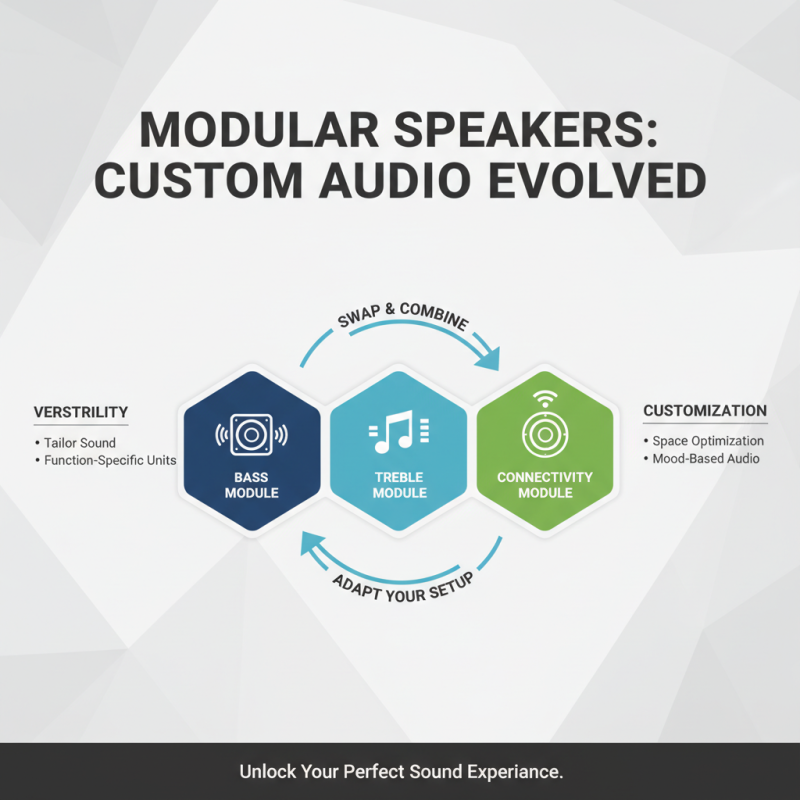
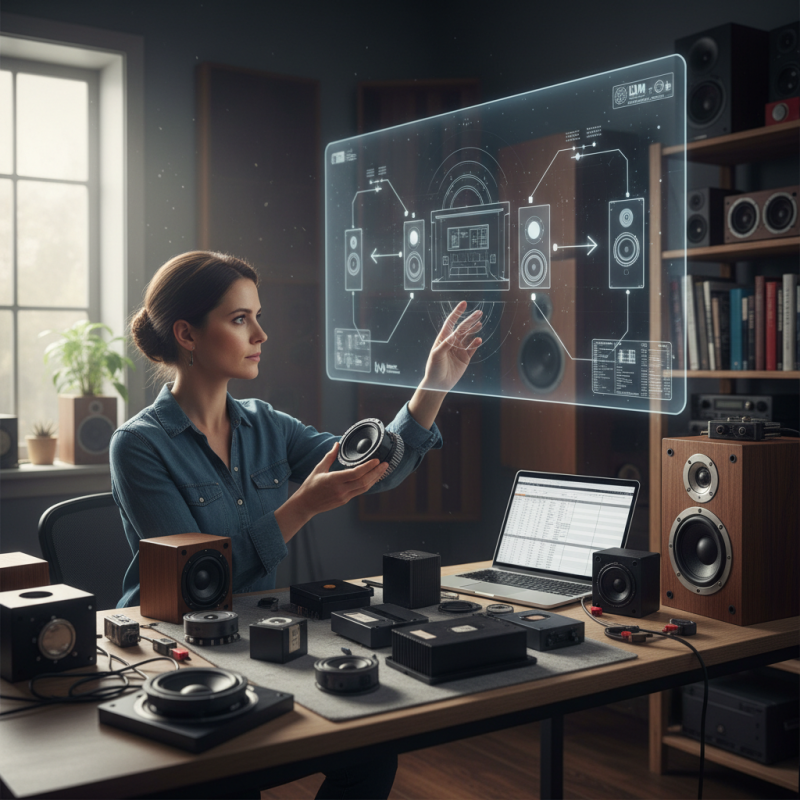
Modular speakers have gained popularity due to their versatility. They allow users to customize their audio experience. Each module can be designed for specific functions. For example, some modules enhance bass, while others focus on treble. This means you can adapt your setup based on the space or mood.
One of the key benefits is flexibility. You can add or remove components as needed. If a module fails, you only replace that part, not the entire system. However, this can lead to confusion. Users might struggle to find the right combination of modules. It's essential to think about compatibility when making choices.
Lastly, consider the design and aesthetics. Some speakers blend seamlessly into home decor. Others stand out with bold shapes and colors. While functionality matters, the visual appeal is also important. Take your time to evaluate both the sound quality and the look. The best setup should reflect your unique taste and audio needs.
Assessing Your Audio Needs: How to Identify the Right Speaker Type
When it comes to choosing modular speakers, understanding your audio needs is crucial. Begin by assessing the environment where they will be used. Consider factors like room size and layout. A compact room may benefit from smaller, bookshelf speakers, while open spaces can accommodate floor-standing models. According to a recent market report, 65% of users prefer speakers that adapt to their evolving usage situations. Flexible specifications are key in today’s audio equipment.
Next, reflect on your listening preferences. Are you a casual listener or an audiophile? Research indicates that 75% of users prioritize sound quality. However, it’s not just about power. Balance and clarity matter too. When evaluating options, think about the types of music you enjoy and the volume levels you usually use. A system that excels in bass may not suffice for vocal-heavy genres. This can lead to frustration over poor sound reproduction.
Consider connectivity features as well. Many users find themselves overwhelmed by options like Bluetooth, Wi-Fi, and even wired connections. In fact, a survey showed that 40% of buyers regret not prioritizing compatibility with their devices. Simplifying choices can help improve your overall satisfaction. Take your time to think about how each feature meets your specific needs. Choose wisely; it can make a significant difference in your audio experience.
2026 How to Choose the Best Modular Speaker for Your Audio Needs?
| Speaker Type |
Power Output (W) |
Frequency Response (Hz) |
Connectivity Options |
Ideal Use Case |
| Bookshelf Speaker |
50-100 W |
60-20,000 Hz |
Wired, Bluetooth |
Home audio systems |
| Floorstanding Speaker |
100-250 W |
40-20,000 Hz |
Wired, Wi-Fi |
Home theaters, large rooms |
| Subwoofer |
100-300 W |
20-200 Hz |
Wired, Bluetooth |
Home theater bass enhancement |
| Portable Speaker |
5-50 W |
80-20,000 Hz |
Bluetooth, NFC |
Outdoor, travel |
| Soundbar |
30-300 W |
50-20,000 Hz |
Wired, Optical, Bluetooth |
TV audio improvement, music |
Key Specifications to Consider When Choosing Modular Speakers
When selecting modular speakers, key specifications significantly impact audio quality. One crucial aspect is the frequency response. This measures how accurately the speaker reproduces sound. A broader range, typically 20 Hz to 20 kHz, allows for deeper bass and clearer highs. According to industry reports, speakers with a frequency response wider than this often perform better in diverse audio settings.
Power handling is another vital specification. It indicates how much power a speaker can handle without distortion. A mismatch could lead to subpar performance. Many audiophiles recommend speakers with at least 75 watts for better sound clarity. Additionally, look into sensitivity ratings. Speakers with higher sensitivity (around 91 dB or more) require less power to produce louder volumes, making them more efficient in various environments.
Modularity allows for customization but introduces complexity. Not all systems work seamlessly together. This can lead to frustrating experiences when trying to mix components from different manufacturers. Be cautious about compatibility issues. Adhering to personal audio needs while navigating these specifications can sometimes feel overwhelming. Testing speakers in person can provide insights that specifications alone cannot convey.
Comparing Brands and Models: Making Informed Choices for Quality Sound
Choosing the right modular speaker can feel overwhelming. With countless brands and models available, understanding your audio needs is essential.
Begin by evaluating how you'll use the speaker. Is it for casual listening, parties, or professional setups?
Consider the room size too. A compact speaker may work in smaller spaces, but larger areas may require more powerful systems.
When comparing different options, pay attention to sound quality. Look for clear highs, balanced mids, and pronounced bass. Some speakers emphasize specific frequencies, which might not suit everyone’s taste.
The build quality is another critical factor. Speakers that feel flimsy often don’t last long.
Reflect on how long you plan to use the speaker.
This might save you money in the long run.
Lastly,
reviews can offer insights. However, take them with a grain of salt. Personal preferences vary widely,
and what sounds great to one might not to another. Sample speakers whenever possible. Listen to them in diverse settings.
This hands-on approach can uncover hidden strengths and weaknesses. Embrace the imperfections in sound; they often lead to deeper appreciation.
Setting Up Your Modular Speakers: Tips for Optimal Performance and Enjoyment
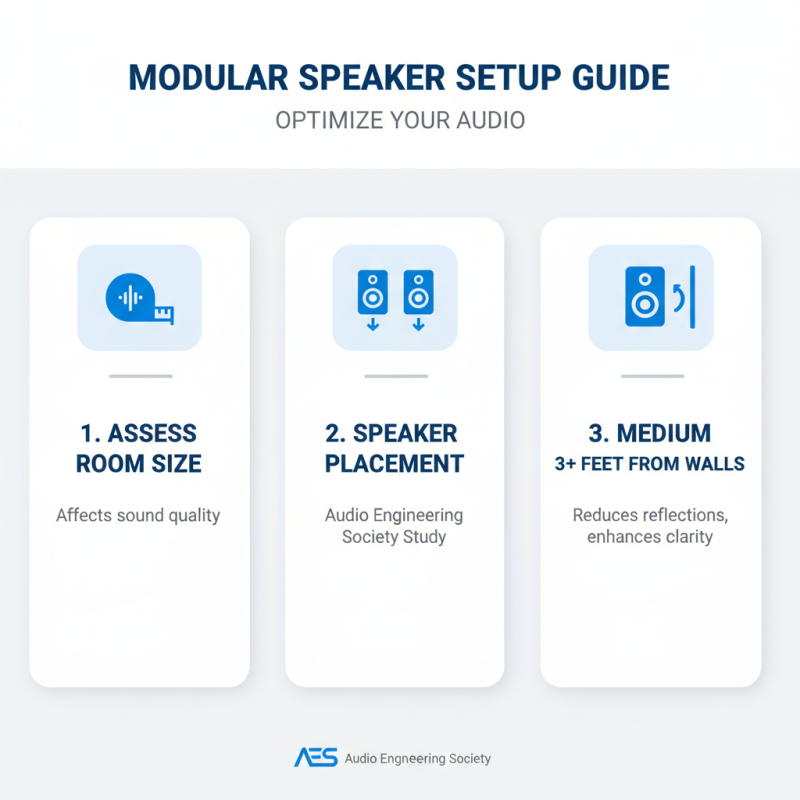
Setting up modular speakers requires careful consideration for the best audio experience. Begin by assessing your room size. According to a study by the Audio Engineering Society, speaker placement can affect sound quality distinctly. For a medium-sized room, positioning speakers at least three feet from walls is generally recommended. This helps reduce unwanted reflections and enhances clarity.
Next, consider the type of sound you prefer. Different configurations can produce varied results. For instance, a 5.1 setup works well for films, creating immersive experiences. In contrast, a stereo pair might suit pure music listening better. The Audio Marketing Report highlights that about 45% of consumers prefer simpler setups for everyday use.
Don't overlook acoustic treatment in your space. Many overlook room acoustics, yet they play a crucial role. Adding carpets or curtains can absorb sound, improving overall quality. Interestingly, nearly 30% of users admit to underutilizing such enhancements. It's crucial to reflect on your environment and adjust accordingly for optimal performance.