How to Choose the Best Modular Speaker for Your Needs?
Choosing the right Modular Speaker can enhance your audio experience significantly. With a wide range of options available, it can be overwhelming. Understanding your specific needs is essential for making an informed decision.
Consider the space where you will use the Modular Speaker. Smaller areas may benefit from compact designs, while larger spaces might require powerful systems. Quality is not just about volume; clarity is key. Look for features such as customizable configurations and wireless capabilities. These aspects can elevate your listening experience.
It’s also important to read reviews from users and experts. These can offer insights into performance and reliability. However, remember that everyone's preferences differ. What works for one may not suit another. Reflecting on your unique tastes will lead you to the right choice.
Understanding Different Types of Modular Speakers Available in the Market
When choosing a modular speaker, understanding the various types is crucial. Modular speakers come in different configurations and functionalities. To start, you can find portable models that offer flexibility and convenience. These speakers are generally lightweight and perfect for on-the-go listening. Their wireless capabilities add to their appeal, allowing users to connect effortlessly.
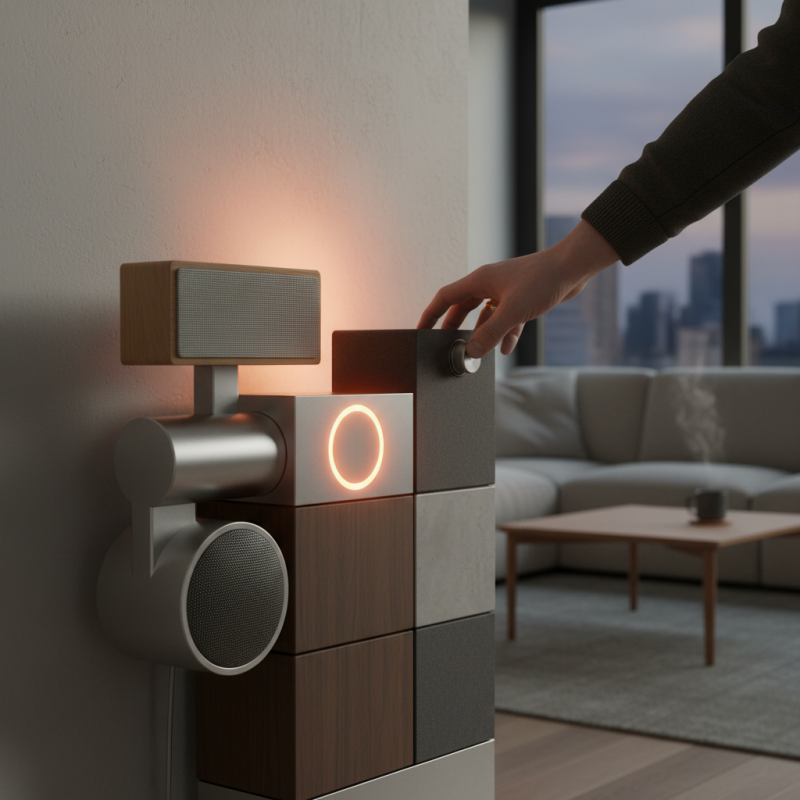
Then there are wall-mounted modular speakers. They provide a space-saving solution and can generate impressive sound quality. These options are great for home theaters or studio setups. They often come with customizable features, enabling users to adjust sound according to their preferences.
Lastly, consider the larger multi-room options. These speakers work cohesively, connecting across several areas in a home or venue. While they can be pricier, their ability to deliver consistent audio throughout various spaces is noteworthy. However, some may find setting up a multi-room system complicated. Overall, aiming for a balance between functionality and ease of use is essential. Evaluate your specific needs and preferences to make an informed decision.
Evaluating Sound Quality: Key Specifications and Features to Consider
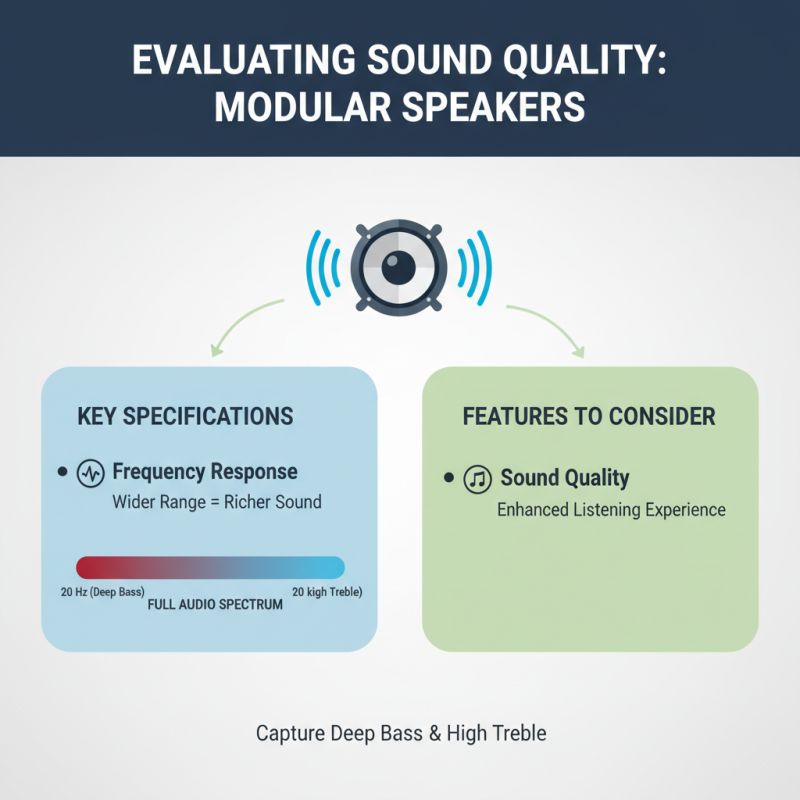
When selecting a modular speaker, sound quality takes center stage. Start by examining key specifications. Look for frequency response. A wider range means richer sound. Common ranges are from 20 Hz to 20 kHz. This range captures both deep bass and high treble, enhancing your listening experience.
Consider power output and sensitivity. Power output, measured in watts, indicates volume capability. A speaker with at least 50 watts is preferable for larger spaces. Sensitivity, on the other hand, shows how effectively a speaker converts power to sound. Higher sensitivity ratings, over 85 dB, often produce better sound in low-powered systems.
Tips to enhance your choice: Check user reviews and ratings. Real user experiences provide invaluable insights. Additionally, test the speaker before buying. Listen for clarity, depth, and balance across different genres. Don’t underestimate the importance of design; aesthetics should complement your setup. Reflect on how often you'll move the speaker; portability can be vital for some users.
Invest time in assessing these specs. They directly influence your satisfaction level. If possible, consult audio professionals for tailored advice. Their expertise can help navigate complex choices. Remember, the right sound quality might differ from person to person. Take your preferences into account.
Assessing Portability and Design: Factors for Easy Transport and Setup
When choosing a modular speaker, portability and design are critical. Think about how often you’ll move the speaker. If you plan to take it to various locations, lightweight options are key. Consider the weight and dimensions of the speaker. Look for models that can easily be carried in one hand. A compact design can simplify transport and setup, making your audio experience hassle-free.
Additionally, check the construction materials. A durable and weather-resistant design is essential if you’ll use the speaker outdoors. Rubberized exteriors and reinforced corners can offer added protection. Consider speakers that come with carrying handles or straps to enhance mobility. Short cables can minimize tangling and make setup quicker, which is valuable in social settings.
Remember that aesthetic appeal matters too. The finish and colors should align with your style. A well-designed speaker should also mesh with your environment, be it home or outdoors. The balance between functionality and style is delicate. Assessing both portability and design will help you make the right choice. It may require experimentation to find the perfect fit for your lifestyle.
How to Choose the Best Modular Speaker for Your Needs? - Assessing Portability and Design
| Feature |
Dimension |
Weight |
Battery Life |
Setup Ease |
| Compact Size |
7 x 7 x 7 in |
1.5 lbs |
10 hours |
Very Easy |
| Durable Build |
9 x 9 x 5 in |
3 lbs |
15 hours |
Moderate |
| Wireless Capability |
8 x 8 x 3 in |
2 lbs |
12 hours |
Easy |
| Sound Quality |
10 x 10 x 4 in |
4 lbs |
8 hours |
Challenging |
Analyzing Price vs. Performance: Finding Value in Modular Speakers
When exploring modular speakers, understanding price versus performance is crucial. Many buyers often equate higher prices with better quality. However, this isn't always the case. Some affordable models provide excellent sound quality without breaking the bank. Being informed is key to identifying true value.
Consider the features you need. Do you prioritize sound clarity over bass response? This choice impacts budget and overall satisfaction. There are many options that balance cost and performance well. Evaluating user reviews can also give insights into real-world performance. Sometimes models receive praise for features that may not appeal to everyone.
Don’t rush the decision. Take the time to test different models. A speaker that excels in one area may fall short in another. Personal preferences play a significant role in satisfaction. Keep an open mind and be willing to adjust your expectations based on available options. This introspection may lead you to a choice that offers unexpected value.
Price vs. Performance Analysis of Modular Speakers
Identifying Brand Reputation and Customer Reviews: A Guide to Reliability
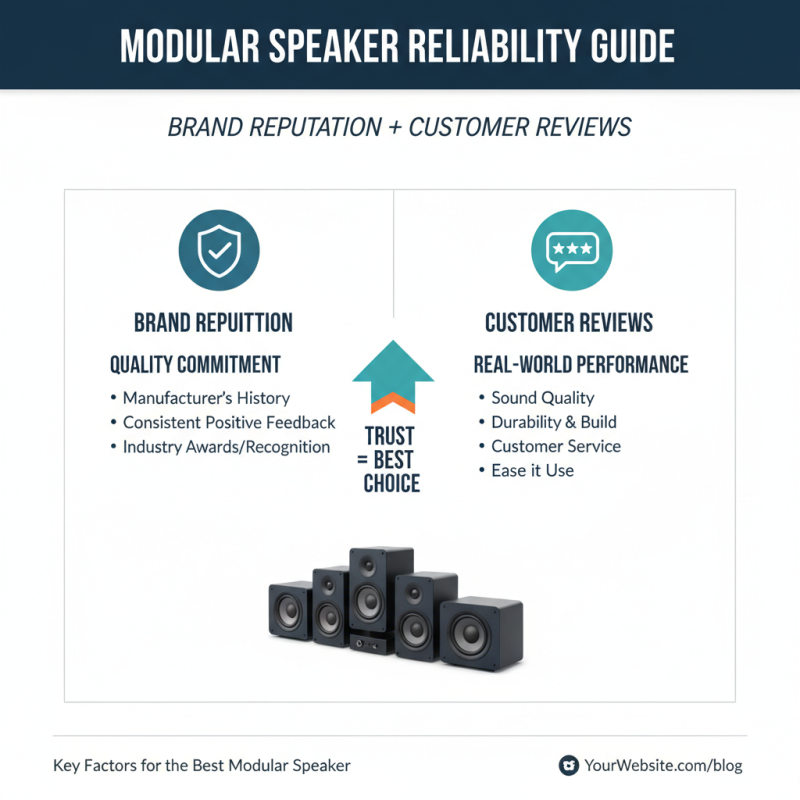
When searching for the best modular speaker, brand reputation and customer reviews play a vital role. A reliable speaker often reflects its manufacturer's commitment to quality. Look for brands that consistently receive positive feedback. This feedback usually highlights durability, sound quality, and customer service.
Tips: Check how long the brand has been in the market. Longevity can indicate stability. Also, investigate how often they upgrade their products. Regular improvements show a commitment to innovation.
Reading customer reviews is crucial. Pay attention to common themes in the feedback. If multiple users mention a recurring issue, it’s worth considering seriously. Look for detailed reviews that describe personal experiences with the product. Short reviews can be misleading.
Tips: Look on independent review sites for unbiased opinions. These insights can be more trustworthy than brand-sponsored content. Don’t just focus on positive reviews; negative ones can provide insight into potential drawbacks. Discrepancies between reviews can signal inconsistencies in quality.