How to Choose the Right Electro Magnetic Buzzer for Your Project?
In the world of electronics, the choice of the right Electro Magnetic Buzzer can significantly influence project outcomes. Dr. Alice Monroe, a leading expert in audio signaling technology, emphasizes, “The right buzzer transforms your project’s usability.” A well-selected Electro Magnetic Buzzer can enhance device alerts, providing clearer communication.
When selecting an Electro Magnetic Buzzer, consider sound quality and frequency range. These factors affect user experience and product functionality. Choosing the right specifications is crucial yet often overlooked. Engineers tend to undervalue how the sound quality impacts user interaction.
Moreover, understanding power requirements is essential. A mismatch can lead to unexpected failures. Reflecting on personal experiences, many have faced struggles due to poor buzzer choices. The right Electro Magnetic Buzzer can make or break a project, so be thoughtful. Your selection journey should be informed and deliberate.

Factors to Consider When Selecting an Electro Magnetic Buzzer
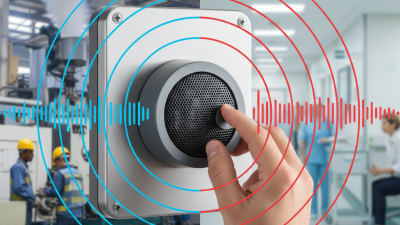
Choosing the right electro magnetic buzzer requires careful consideration. The main factors include sound output, frequency, and power consumption. Sound output is usually measured in decibels (dB). Most applications need a buzzer with a minimum of 80 dB for adequate alertness. However, higher isn't always better. Excessive noise can be disruptive in sensitive environments.
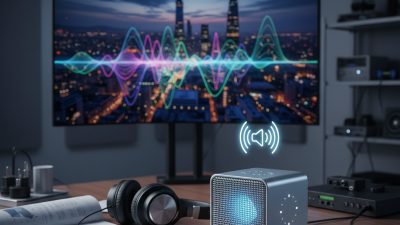
Frequency is crucial too. Standard buzzers operate between 2 kHz and 4 kHz. This range typically delivers clear and noticeable alerts. Yet, the harshness of the sound can be a point of concern. It's essential to test the frequency to ensure it fits your project's needs.
Power consumption matters for battery-operated devices. Low-power buzzers can extend battery life considerably. The right choice can reduce your overall energy costs. Tips: Check the specifications for standby power usage. This often overlooked aspect can lead to significant savings over time.
Don't forget to consider size and mounting options. Some projects demand compact designs. Others may benefit from a larger buzzer for better sound clarity. Test multiple options to achieve the desired effect.
Evaluate these factors carefully. It’s easy to overlook critical details. Reflect on your project's requirements before making a choice. A small mistake can impact functionality and user experience.
How to Choose the Right Electro Magnetic Buzzer for Your Project?
| Feature |
Description |
Importance |
| Voltage Rating |
The voltage level at which the buzzer operates optimally. |
High |
| Frequency |
The sound frequency the buzzer produces, affecting pitch and tone. |
Medium |
| Size |
Dimensions of the buzzer, crucial for space-constrained projects. |
High |
| Sound Level (dB) |
Loudness of the buzzer, important for audible alerts. |
High |
| Power Consumption |
Amount of power needed for operation, essential for battery-operated devices. |
Medium |
| Type (Active/Passive) |
Determines if the buzzer generates sound independently or requires a signal. |
High |
Understanding the Different Types of Electro Magnetic Buzzers
Electro magnetic buzzers come in various types, each serving a unique purpose. Understanding these differences is essential for your project’s success. The most common types include continuous buzzers and tone buzzers. Continuous buzzers emit a steady sound, perfect for alerts. Tone buzzers produce varying pitches, adding flexibility for signaling.
When choosing a buzzer, consider power requirements and size. Some projects have strict power limitations. Knowing the voltage and current specifications can save you time. Size matters too; a buzzer that is too large might not fit in your design. Additionally, think about the environment. Will it be exposed to moisture or dust? Some buzzers are better suited for challenging conditions.
It's easy to overlook the importance of testing different options. Running your chosen buzzer through various scenarios can reveal performance issues. A buzzer that sounds good in one setting may not work in another. Be ready to iterate and refine your choice based on real-world feedback. This process can lead to better decisions in your design. Taking the time to fully understand each type can save headaches down the line.
Key Specifications: Volume, Frequency, and Power Requirements
When selecting an electromagnetic buzzer, understanding key specifications is essential.
Volume determines how audible the buzzer will be in a specific environment.
If your project is in a noisy area, a higher volume buzzer will be necessary. Conversely, a lower volume may suffice for quieter settings.
Keep in mind that loud buzzers can drain more power.
Frequency is another critical factor. It can affect the sound clarity and pitch. A higher frequency buzzer might produce a sharper sound.
However, it can be less pleasant to hear over time.
Ideally, choose a frequency that aligns with your project's goals. Lastly, consider the power requirements. Ensure that the buzzer's power consumption fits your project's power supply.
Overloading your system could lead to failures.
It's easy to overlook these specifications. Many overlook the trade-offs between volume and power consumption.
Some may prioritize sound clarity without considering the battery life of their project.
Take time to reflect on these aspects. This reflection can help you choose a buzzer that meets your unique needs.
Common Applications and Use Cases for Electro Magnetic Buzzers
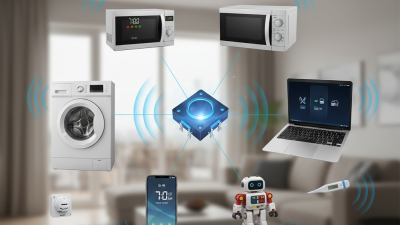
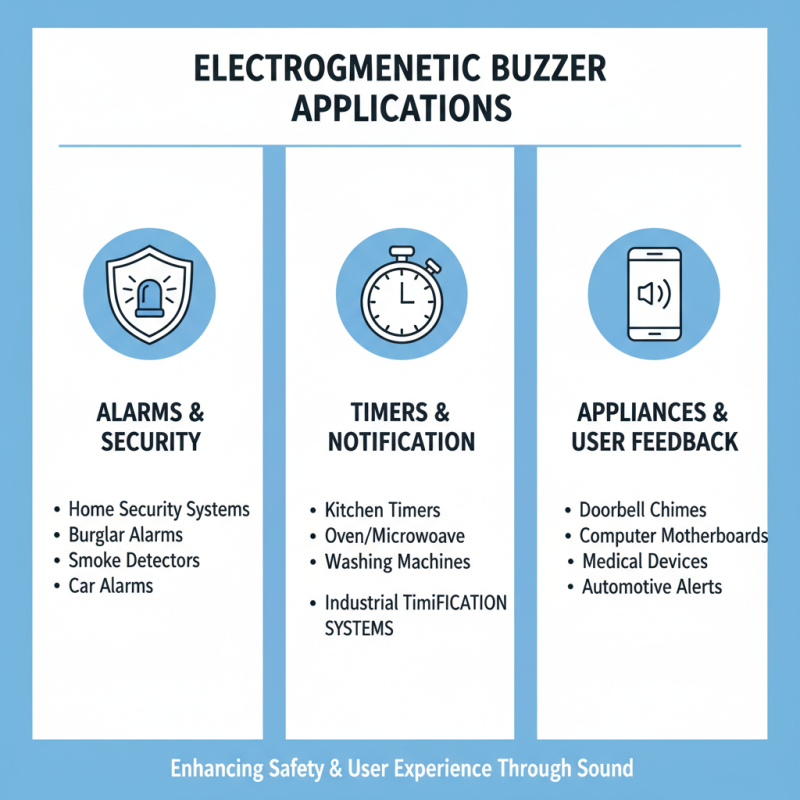
Electro Magnetic Buzzers are widely used in various applications. They serve critical functions in alarms, timers, and notification systems. For instance, in home security systems, they alert users to potential intrusions. In addition, these buzzers are common in appliances, providing sound feedback to enhance user experience.
Consider their role in medical devices. Electro Magnetic Buzzers signal when a machine is ready or when an alert needs attention. This ability to convey important information cannot be understated. However, it’s essential to match the buzzer’s volume and frequency to the application. Too loud or soft can lead to failure in notifying users properly.
Yet, not all projects will benefit from them. Some applications may require different sound frequencies or noise levels. Often, users might overlook their preferences, leading to less effective communication. Reflecting on your specific needs is crucial for ensuring optimal results. Each project has unique requirements, and the right buzzer can make a significant difference. Choosing wisely is vital for successful outcomes.
Comparing Manufacturers: Quality, Reliability, and Industry Standards
When selecting an electro magnetic buzzer, manufacturer quality is key. Not all buzzing devices are created equal. Some may produce loud sounds, but lack durability. Others might fit your project size but fail in performance. It's crucial to understand the specifications. This will help you avoid costly mistakes.
Reliability is essential for long-term projects. Look for manufacturers with a reputation for consistency. A reliable buzzer should operate well over time, even in challenging conditions. Inconsistent performance can lead to project delays. Research the feedback from various users. It often highlights strengths and weaknesses.
Industry standards are equally important. Compliance with safety regulations ensures the product's reliability. Some manufacturers may cut corners, compromising quality. Always check if the product meets industry guidelines. This is vital for both performance and safety. In your next project, take the time to compare options. This will enhance your buzzer selection process.