How to Choose the Right Electromagnetic Buzzer for Your Needs?
Choosing the right Electromagnetic Buzzer can be a challenging task for many. Understanding your specific needs is crucial. According to Dr. Emily Chen, a leading expert in acoustic devices, “Selecting the right buzzer depends on its application and desired sound characteristics.” Her insights emphasize the importance of informed decision-making.
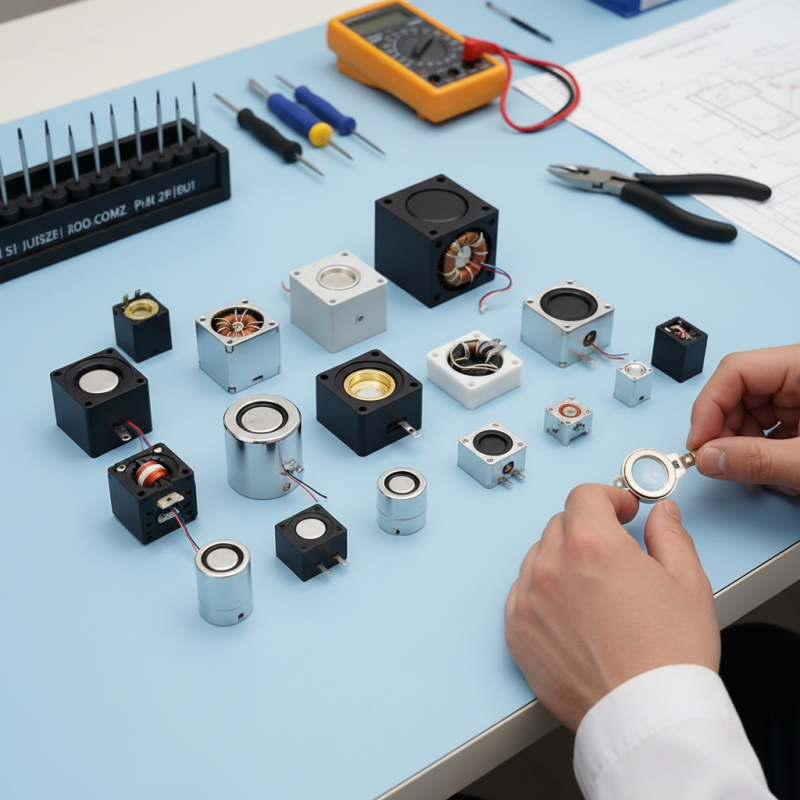
Electromagnetic Buzzers come in various shapes and sizes. Each type has unique specifications that cater to different applications. Consider the frequency range, size, and voltage requirements before making a choice. The right buzzer should blend well with your project needs.
Many overlook the importance of durability and sound clarity. Sometimes, users may choose a model based solely on brand reputation or price. This approach can lead to dissatisfaction. A detailed assessment of your requirements will prevent common pitfalls. Only then can you confidently select an Electromagnetic Buzzer that meets both functional and aesthetic demands.
Understanding the Basics of Electromagnetic Buzzers
Electromagnetic buzzers are vital components in many devices. They produce sound through electromagnetic induction. Understanding how they work can help in selecting the right one for your needs.
These buzzers convert electrical energy into sound. Inside, a coil and a diaphragm create vibrations. The coil reacts to an alternating current. This interaction produces sound waves. Factors like frequency and resistance affect performance. Choosing a buzzer involves considering these properties.
Not all buzzers are created equal. Some are designed for specific environments, while others have broader applications. It's crucial to match the buzzer type with your project requirements. Pay attention to specifications and installation needs. This careful selection process can lead to better outcomes in your projects.
How to Choose the Right Electromagnetic Buzzer for Your Needs?
| Model |
Frequency (kHz) |
Volume (dB) |
Voltage (V) |
Size (mm) |
Operating Temperature (°C) |
| Buzzer A |
3.0 |
85 |
12 |
20 x 10 |
-20 to +70 |
| Buzzer B |
2.5 |
90 |
5 |
15 x 8 |
-10 to +60 |
| Buzzer C |
4.0 |
92 |
24 |
25 x 12 |
-30 to +85 |
| Buzzer D |
1.0 |
78 |
9 |
30 x 15 |
-20 to +70 |
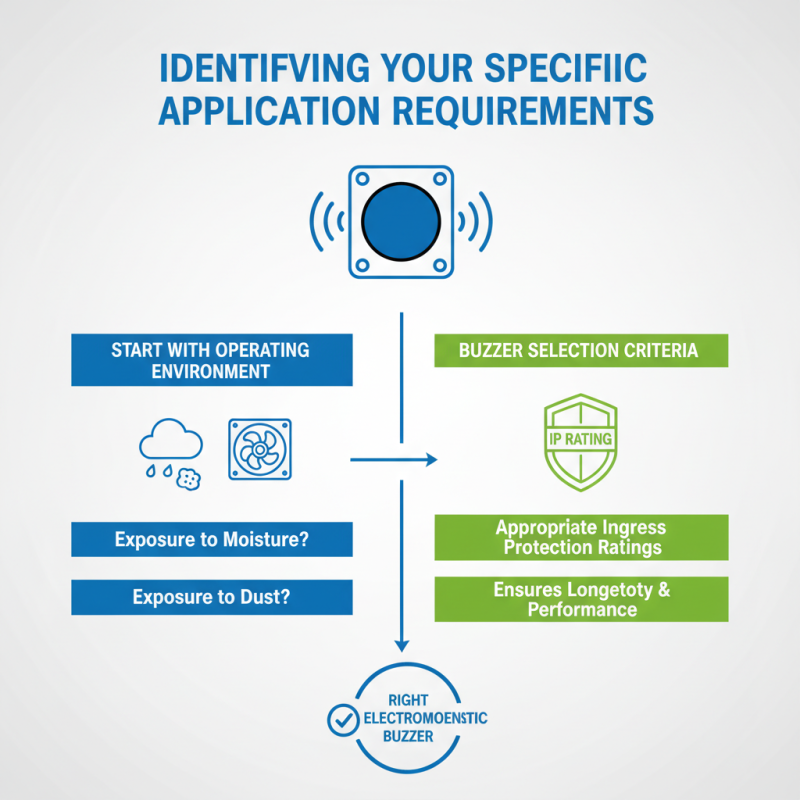
Identifying Your Specific Application Requirements
When selecting the right electromagnetic buzzer, it’s crucial to understand your specific application requirements. Start by considering the operating environment. Will the buzzer face exposure to moisture or dust? If so, look for buzzers with appropriate ingress protection ratings. This can significantly impact the buzzer's longevity and performance.
Next, assess the sound output needed for your application. Different projects may require varying sound levels. An alarm system might need a loud buzzer, while a consumer product may only demand a soft indicator. The frequency of the sound also matters. Higher frequencies can carry further, while lower frequencies could be more pleasant.
Lastly, think about the power supply. Ensure compatibility with your existing systems. Some buzzers are designed for specific voltage ranges, so oversight here can lead to functionality issues. Reflect on these needs carefully. Choosing the wrong specification can lead to inadequate performance or frequent repairs, which might affect your project timelines.
Evaluating Key Specifications of Electromagnetic Buzzers
When choosing an electromagnetic buzzer, understanding its specifications is crucial. The sound output, measured in decibels (dB), determines how audible it is in various environments. A higher dB level is often more desirable for loud settings. Consider the frequency range too. Buzzers typically operate between 2 kHz to 4 kHz, which corresponds to common hearing ranges.
Another key specification is power consumption. Some buzzers work well on low voltage, while others require more energy. Finding a balance between sound output and energy use is important for battery-operated devices. Size also matters, especially in compact applications. A small buzzer might fit better but may sacrifice sound quality.
Don’t overlook mounting options. Some buzzers are designed for specific installation methods, which can affect performance. Look for models that offer flexible mounting solutions. Lastly, consider environmental factors. Will your buzzer face moisture or temperature fluctuations? Specifications should reflect its durability under these conditions. Taking time to evaluate these factors ensures the buzzer meets your project’s needs effectively.
Comparing Different Types and Models of Buzzers
Choosing the right electromagnetic buzzer involves understanding different types and models available. Buzzers can be categorized into two main types: piezo buzzers and electromagnetic buzzers. Piezo buzzers are often more compact and energy-efficient. They produce sound through a piezoelectric material, making them reliable for portable devices. Electromagnetic buzzers, on the other hand, offer higher sound output and durability but can be bulkier.
When selecting a buzzer, consider its intended use. For applications needing loud alerts, electromagnetic buzzers might be more suitable. However, if space is limited, piezo models work best. Look into frequency ranges, as they affect sound clarity and reach. Also, check the voltage specifications to match your device's requirements.
It's essential to evaluate the noise level and longevity of buzzers. Some may wear out quickly under high-frequency use. Additionally, user reviews can provide real-world insights into reliability. Test various models to find what best meets your needs, as specifications alone may not convey performance. It can be beneficial to reflect on past selections and refine your choices based on practical feedback.
Electromagnetic Buzzer Comparison
This chart compares three different electromagnetic buzzer models based on their electrical resistance, operating voltage, sound level, and frequency. The data can help you determine the right buzzer that meets your specific needs.
Assessing Budget and Sourcing Options for Buzzers
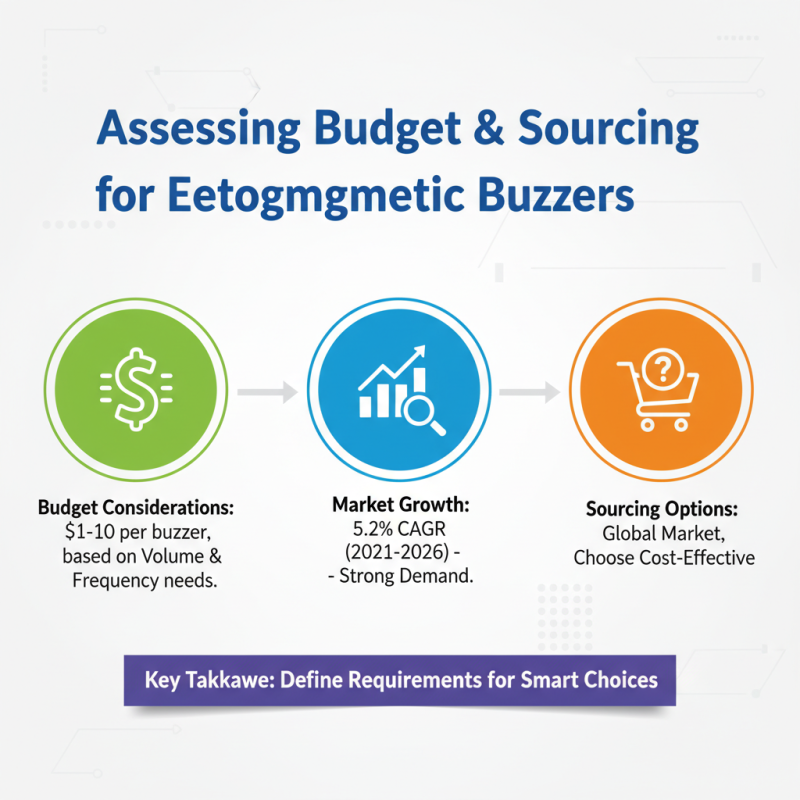
When selecting an electromagnetic buzzer, budget considerations are essential. The global market for buzzers is projected to grow at a CAGR of 5.2% from 2021 to 2026, indicating a strong demand. Understanding how to allocate your budget wisely can influence your choice significantly. Typically, buzzers range from $1 to $10 each, depending on their specifications like volume and frequency. Knowing your requirements helps in choosing a cost-effective option.
Sourcing options are crucial. You might consider local suppliers for immediate needs. Yet, online marketplaces offer a wider selection. Reports indicate that 40% of manufacturers prefer online sourcing for cost-effectiveness and convenience. However, quality control is essential. Some online marketplaces lack stringent supplier vetting processes, leading to inconsistent product quality. Finding a reliable source requires diligence.
Assessing both budget and sourcing options may lead to trade-offs. While a cheaper buzzer may save costs upfront, it might underperform over time. Industry surveys show that 30% of projects encountered issues due to low-quality components. Therefore, ensure that the selected buzzer meets the performance criteria, even if it requires a higher initial investment. Quality should not be compromised for savings.