Essential Electric Buzzer Circuit Diagram Tips for Buyers?
Understanding the intricacies of an Electric Buzzer Circuit Diagram is crucial for anyone interested in electronics. Renowned expert Dr. Jane Holloway, a leading figure in circuit design, emphasizes, "A well-designed circuit diagram is the backbone of any successful project." This highlights the importance of clarity and precision in design.
When diving into Electric Buzzer Circuit Diagrams, various components and their connections become vital. A schematic provides a blueprint, helping troubleshoot potential issues. Often, novices overlook critical details that can lead to faulty designs or malfunctions. Each element must be considered carefully, ensuring reliable operation.
In selecting the right circuit, buyers should look for diagrams that offer simplicity and functionality. Not all diagrams are created equal; some may lack essential details. Reflecting on this, one should ask whether they fully understand the elements involved. A solid grasp of the subject can lead to better decisions, enhancing the overall project outcome.
Understanding the Basics of Electric Buzzer Circuit Diagrams
Understanding electric buzzer circuit diagrams is crucial for buyers. These diagrams illustrate how components connect and function together. Familiarizing yourself with these basics can simplify your purchasing decisions. Buzzer types vary widely, and recognizing their specifications is essential.
A typical diagram includes power sources, resistors, and the buzzer itself. It may also showcase switches that control operation. Each component influences performance. For example, using the wrong resistor can lead to a malfunction. Pay attention to voltage ratings. Each buzzer requires a specific range to operate efficiently.
Sometimes diagrams can be complex. This can lead to confusion about connections. A lack of experience might cause errors during assembly. It's vital to take your time and verify connections. Don’t hesitate to consult resources or forums for clarification. Unpacking the details can enhance understanding and lead to better purchasing choices.
Electric Buzzer Circuit Usage Analysis
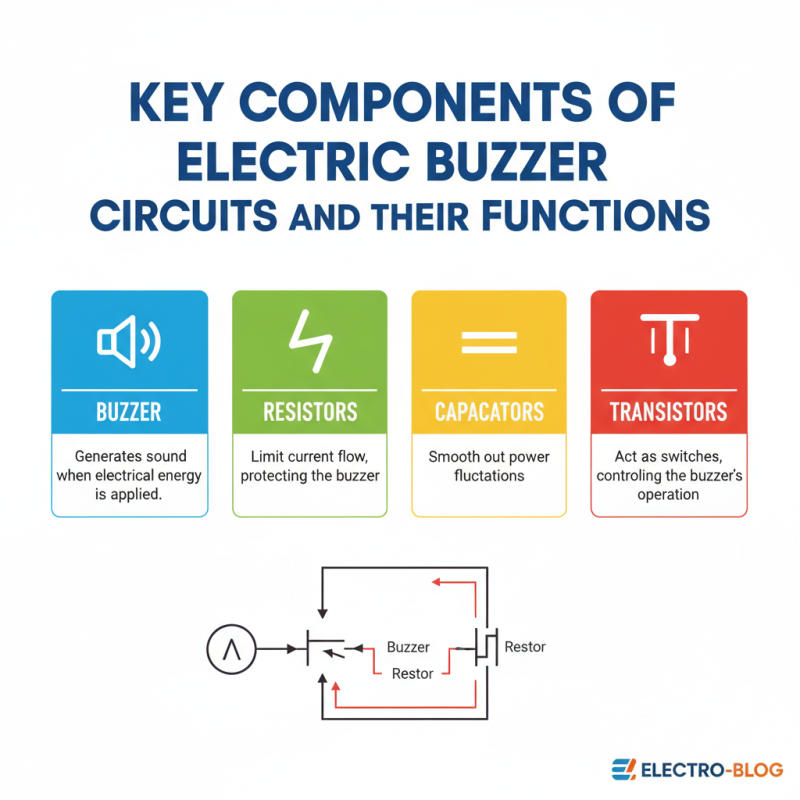
Key Components of Electric Buzzer Circuits and Their Functions
When considering an electric buzzer circuit, understanding its key components is essential. The primary elements include the buzzer, resistors, capacitors, and transistors. Each part plays a distinct role in sound production and circuit management. The buzzer generates sound when electrical energy is applied. Resistors limit current flow, protecting the buzzer. Capacitors can smooth out power fluctuations. Transistors act as switches, controlling the buzzer's operation.
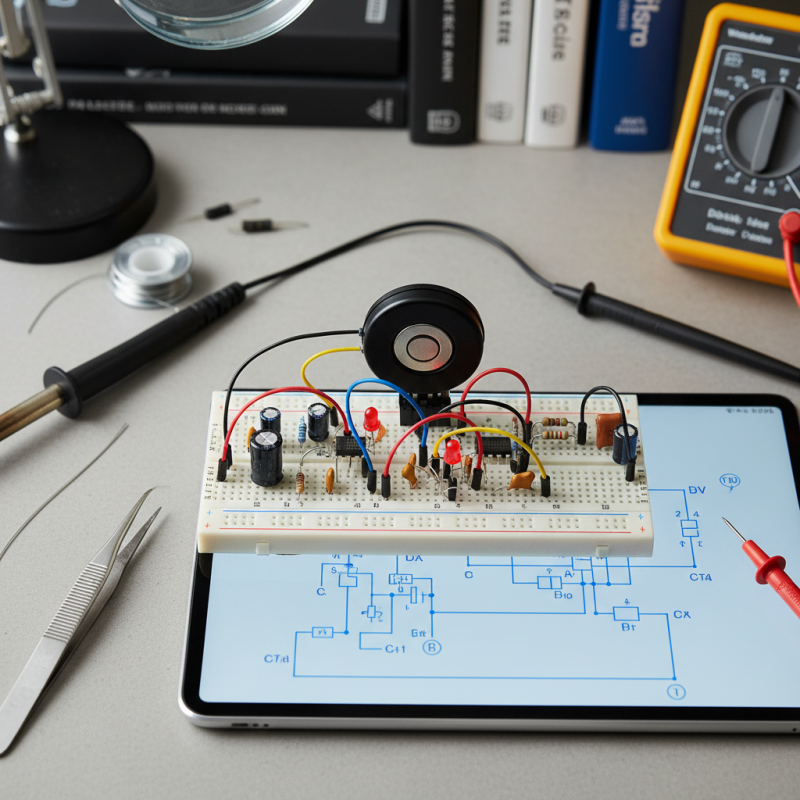
It's important to think about the placement of these components. A well-designed layout can improve performance and reliability. Consider using breadboards for prototyping. This allows for easy adjustments before finalizing the circuit. Ensure that connections are secure to avoid intermittent buzzing or failure.
Tips for buyers: Always check the specifications of each component. Choose parts that match your circuit's requirements. Don’t skimp on quality; low-priced options may compromise performance. Researching different configurations can provide insights into optimizing sound output. Experimentation is often necessary, so be prepared for trial and error.
Safety Considerations When Working with Electric Buzzer Circuits
Working with electric buzzer circuits requires careful attention to safety. These circuits can carry significant current, posing risks of electric shock. Always ensure that the power source is disconnected before starting any work. Use insulated tools to reduce the risk of accidental shorts or shocks.
Another key aspect involves the components. Make sure to use components that can handle expected voltages and currents. Overloading components can lead to failures or even fire hazards. Always check the circuit diagram against the components you use. It is not just about functionality; it is about safety too.
Wear appropriate personal protective equipment (PPE), such as gloves and safety goggles. This is important, especially if you work in environments with exposed conductors. Keep your workspace tidy to prevent accidents. Remember, safety in electric work is an ongoing process, not a one-time task. Always evaluate your setting and your tools. Reflections on previous projects can offer valuable lessons for future work.
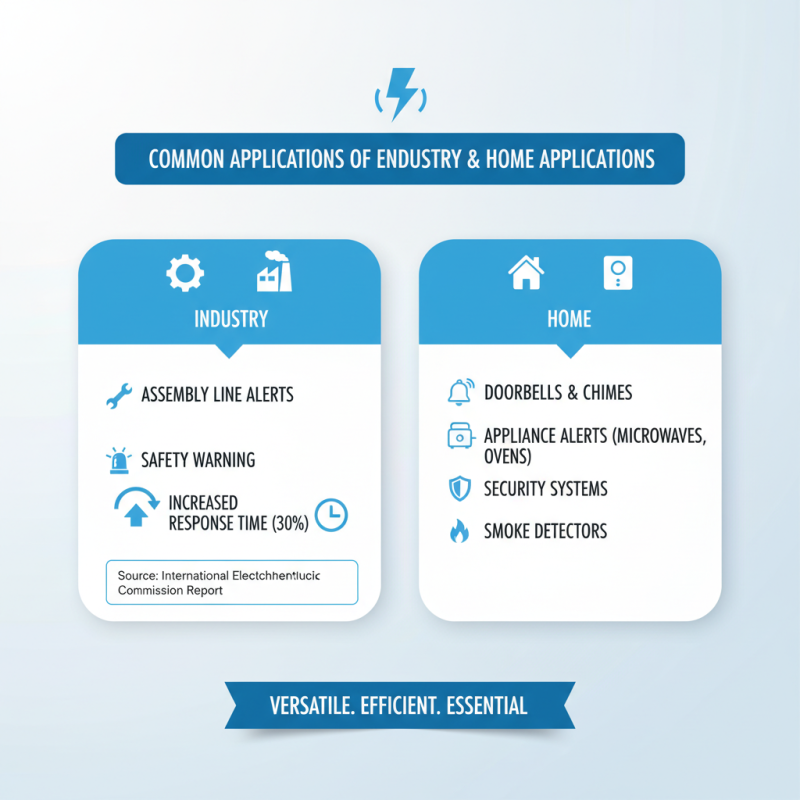
Common Applications of Electric Buzzers in Industry and Home
Electric buzzers are prevalent in various industries and homes due to their versatility. In manufacturing settings, these devices serve crucial roles. For instance, they provide alerts during assembly processes, ensuring safety and efficiency. According to a report by the International Electrotechnical Commission, buzzers increase response times by approximately 30% in high-paced environments.
In residential applications, electric buzzers play vital roles as doorbells, alarm signals, or kitchen timers. In smart home systems, they enable user alerts for security breaches or appliance malfunctions. A survey by the Home Automation Association found that around 45% of homeowners prefer devices that offer immediate audio feedback for alerts, showcasing their integral role in daily life.
However, the reliability of these buzzers can sometimes be an issue. Users may experience inconsistent sound outputs, which can lead to missed alerts. This inconsistency raises questions about their long-term effectiveness. Understanding these limitations can help buyers make informed choices when selecting electric buzzers for various applications. The balance of functionality and reliability is crucial, prompting reflection on user needs and preferences.
Best Practices for Selecting Electric Buzzers for Specific Needs
When selecting electric buzzers, understanding your specific needs is crucial. Focus on the voltage requirements first. A mismatch can lead to underperformance or damage. Consider the operating environment too. Outdoor settings may need more robust options to withstand elements while indoor applications might prioritize sound clarity.
Sound output is another vital factor. Some projects demand a constant tone, while others might require pulsating sounds. It’s helpful to test different models to see which type matches your project’s acoustics. Look for reliable specifications to avoid guesswork. Avoid overly powerful buzzers that could overwhelm smaller spaces, yet don’t underestimate the need for audibility in larger areas.
Installation is often overlooked but can affect performance. Ensure that the connections are secure and that there’s easy access for maintenance. Review user feedback for insights into longevity and reliability. These practical considerations can influence your final choice more than you might expect. Remember, minor oversights in selection could lead to frustrating issues down the line. Always be open to adjusting your choices based on real-world results.
Essential Electric Buzzer Circuit Diagram Tips for Buyers
| Buzzer Type |
Voltage |
Current Rating (mA) |
Frequency (Hz) |
Sound Level (dB) |
Size (mm) |
Applications |
| Piezoelectric |
5V |
20 |
3,000 |
85 |
30 |
Alarm Systems, Toys |
| Electromechanical |
12V |
50 |
2,500 |
90 |
40 |
Industrial Equipment, Consumer Devices |
| Magnetic |
24V |
30 |
1,000 |
95 |
50 |
Timer Alerts, Notification Systems |
| Low Voltage |
3V |
15 |
4,500 |
80 |
20 |
Home Appliances, Gadgets |