What is an Electromagnetic Buzzer and How Does It Work?
An Electromagnetic Buzzer is a vital component in various electronic devices. It generates sound through electromagnetic means. This technology is widely used in alarms, timers, and notifications. According to industry reports, the global market for buzzers is expected to grow significantly. By 2026, it is projected to reach over $4 billion.
Understanding how an Electromagnetic Buzzer operates is essential for designers and engineers. These devices work by converting electrical energy into mechanical vibrations. The interaction between an electromagnetic coil and a diaphragm produces sound waves. This process is efficient, yet not without its challenges. Designers must balance performance with energy consumption.
Despite advancements, there remain limitations in sound quality and volume control. This prompts ongoing research and development. Industrial feedback highlights the need for innovative approaches. As demand increases, these issues must be addressed to improve user experience. An Electromagnetic Buzzer is more than just a sound source; it is a crucial element in effective communication in technology.
What is an Electromagnetic Buzzer?
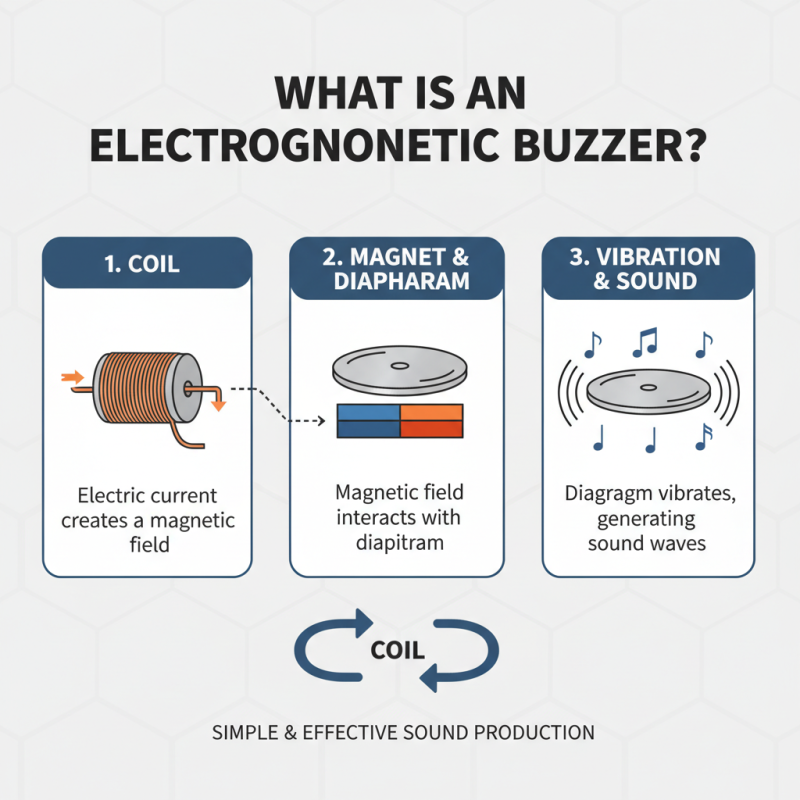
An electromagnetic buzzer is a simple yet effective device used for producing sound. It operates based on electromagnetic principles, making it a popular choice in various electronic applications. The core components include a coil, diaphragm, and magnet. When an electric current flows through the coil, it creates a magnetic field. This field interacts with the diaphragm, causing it to vibrate and generate sound waves.
In terms of design, electromagnetic buzzers can vary in size and shape. Some are small enough to fit within devices like alarms and toys. Others are larger and used in industrial applications. The sound produced can range from a high-pitched beep to a more profound tone. However, achieving the desired sound quality can be challenging. Sometimes, the vibrations may be too faint or the tone may not be consistent, requiring adjustments in the setup.
Despite its advantages, this type of buzzer has limitations. It often needs a continuous power supply to function. Additionally, the sound output may not be loud enough for noisy environments. Designers must consider these factors when integrating buzzers into their projects. It's crucial to test the devices under real conditions. Sometimes, the initial design fails to meet expectations, leading to further refinements.
Basic Components of an Electromagnetic Buzzer
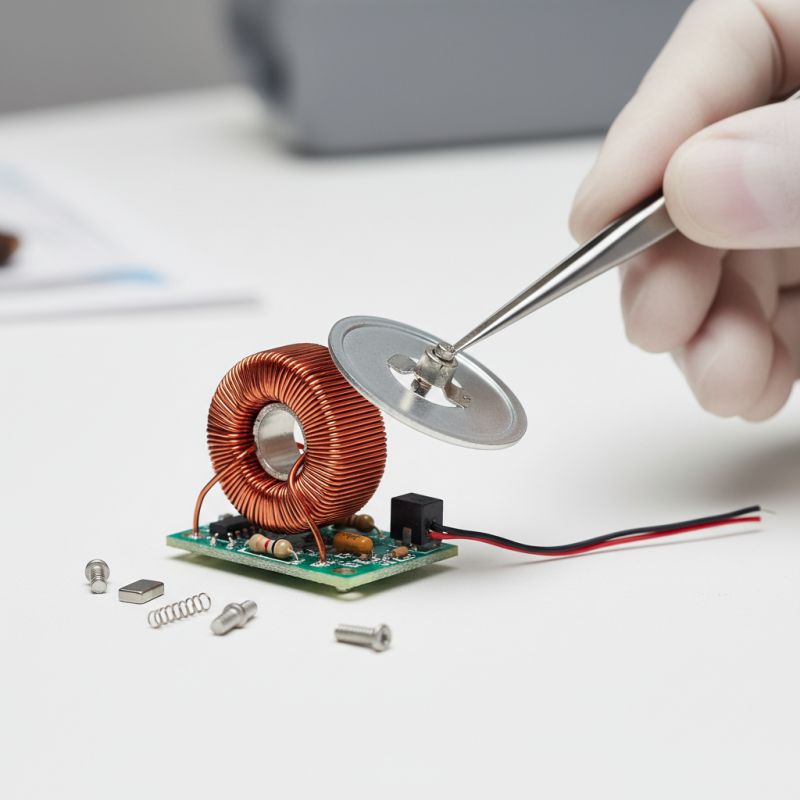
An electromagnetic buzzer is a simple yet effective device. It converts electrical energy into sound. Understanding how it works begins with its basic components. The core elements include a coil, a diaphragm, and a permanent magnet.
Image Placeholder
The coil is made of copper wire and generates a magnetic field when current flows through it. This coil is essential. It creates the vibrations needed for sound production. The diaphragm, typically made from a flexible material, expands and contracts. This motion generates sound waves. The interaction between the coil’s magnetic field and the permanent magnet helps amplify these vibrations.
The relationship between these components is crucial. If the coil or diaphragm fails, the buzzer won't work as intended. Sometimes, the output sound can be weak or distorted. Environmental factors, like temperature and humidity, may also impact performance. This raises questions about durability and functionality. Overall, while the design is straightforward, each part plays a vital role in producing sound.
How Electromagnetic Buzzers Operate
Electromagnetic buzzers are fascinating devices. They produce sound using electromagnetic principles. Inside, there is a coil and a diaphragm. When current passes through the coil, it creates a magnetic field. This field interacts with the diaphragm, causing it to vibrate and produce sound.
The operation of an electromagnetic buzzer can sometimes be unpredictable. Factors like current fluctuations and resistance can affect sound quality. Additionally, the physical placement of the buzzer can alter how the sound is heard. For example, if it is placed in a small, enclosed space, it may sound louder. In an open area, the sound may dissipate quickly.
Tip: Always test your buzzer in different environments. You might be surprised by how the sound changes.
Another consideration is the power supply. If the voltage is too low, the buzzer might not buzz at all. Higher voltage can make it sound better but may shorten its lifespan. Careful calibration is crucial.
Tip: Use a multimeter to check voltage and current before installation. It can save you future headaches.
Applications of Electromagnetic Buzzers in Daily Life
Electromagnetic buzzers play a crucial role in our daily lives. These small devices often provide alerts and notifications in various applications. For example, they can be found in alarm systems. When triggered, they emit a loud sound, ensuring we are aware of potential dangers.
In household appliances, electromagnetic buzzers signal when tasks are complete. Imagine a rice cooker that beeps when your meal is ready. It’s a simple sound but makes a big difference. They also enhance safety in cars. Seatbelt reminders and warning signals help prevent accidents. These applications highlight their importance in staying informed and safe.
Despite their usefulness, electromagnetic buzzers can sometimes be overly loud or irritating. In quiet environments, their sounds might disrupt peace. People often overlook how annoying they can be. Technology should aim for a balance. Ensuring functions are effective while being considerate of our surroundings is essential. There’s always room for improvement in how these devices communicate with us.
Advantages and Disadvantages of Electromagnetic Buzzers
Electromagnetic buzzers are popular in various electronic devices. They produce sound by using an electromagnet. The energy creates vibrations, leading to audible noise. These buzzers are compact and effective.
However, they come with both advantages and disadvantages. One major advantage is their simplicity. They are easy to integrate into circuits. Their low power consumption is another plus. This makes them suitable for battery-operated devices.
However, they may not produce loud sounds. Therefore, applications that require high volume might fall short. They can also be sensitive to temperature changes. This could affect their overall performance.
Tips for choosing the right buzzer: consider the required volume. If the environment is noisy, opt for a louder model. Evaluate the power source. For longer battery life, choose low consumption options. Always test the buzzer in your specific application. This helps identify any unexpected issues before final installation. Explore options that fit your requirements perfectly.