10 Essential Tips for Choosing the Right Electro Magnetic Buzzer for Your Project?
When selecting an Electro Magnetic Buzzer for your project, the decision is critical. This component plays a vital role in sound signaling for various applications. According to a recent report by industry expert Dr. Michael Chen, "Choosing the right buzzer can make or break the user experience." His insight highlights the necessity of understanding buzzer specifications and performance in detail.
The Electro Magnetic Buzzer market has seen significant growth, with an estimated CAGR of 6.5% over the next five years. This growth reflects the increasing demand for effective sound signaling devices in industries ranging from consumer electronics to automotive applications. However, not all buzzers are created equal. Many factors impact their effectiveness, including frequency, power consumption, and size.
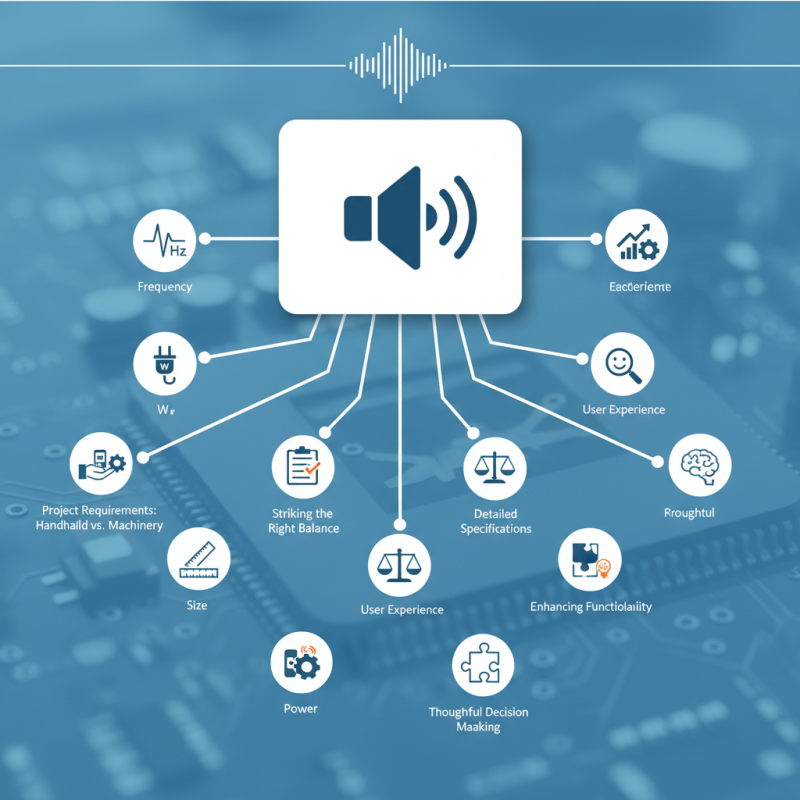
When making a choice, consider your project’s specific requirements. For instance, a compact buzzer may be ideal for handheld devices, while a more powerful model is necessary for larger machinery. Striking the right balance ensures optimal performance. However, many projects falter due to overlooked nuances in buzzer selection. It is essential to approach this decision thoughtfully, as the right Electro Magnetic Buzzer can enhance functionality and improve user engagement.
Understanding the Functionality of Electro Magnetic Buzzers
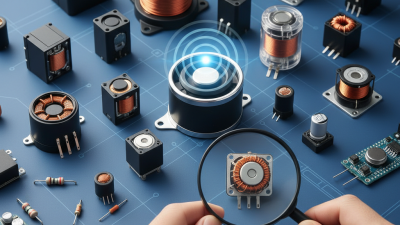
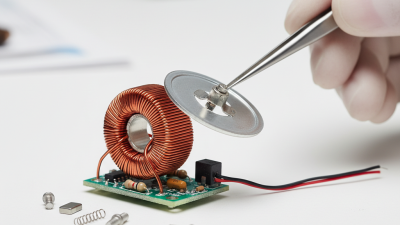
Electro magnetic buzzers are vital components in electronic projects. Understanding their functionality is crucial before making a selection. They convert electrical energy into sound energy through a simple yet effective mechanism. An electro magnetic buzzer typically consists of a diaphragm, coils, and a magnetic element. When electricity flows through the coils, they create a magnetic field that vibrates the diaphragm. This vibration generates sound waves.
Choosing the right buzzer is trickier than it seems. Consider the frequency and sound level you need for your project. Some buzzers produce a high-pitched beep, while others generate a low hum. Evaluate where you’ll use it. An outdoor environment may require a louder device. Additionally, look into the power requirements. Not all buzzers function well under the same voltage or current. Test different models when possible.
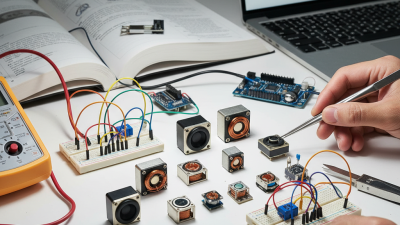
Another aspect to think about is the size and shape of the buzzer. Space constraints may limit your options. Some models are larger, while others are compact. Don’t overlook the build quality, as it affects durability. A poorly made buzzer might malfunction soon. Experiment with various types to find what works best for your specific application. Embrace the trial-and-error approach; it’s a part of the learning process.
10 Essential Tips for Choosing the Right Electro Magnetic Buzzer for Your Project
| Tip Number |
Tip |
Considerations |
Application Examples |
| 1 |
Determine the Voltage Requirement |
Check the operational voltage range. |
Battery-powered devices. |
| 2 |
Select the Right Sound Level |
Understand decibel ratings. |
Alarms and notifications. |
| 3 |
Consider Size and Form Factor |
Ensure compatibility with your design. |
Compact electronic gadgets. |
| 4 |
Check Frequency Range |
Identify needed pitch and tone. |
Musical toys, alerts. |
| 5 |
Evaluate Power Consumption |
Assess impact on battery life. |
Portable devices, IoT devices. |
| 6 |
Consider Environmental Factors |
Resistance to dust and moisture. |
Outdoor applications. |
| 7 |
Check Durability and Lifespan |
Look for reliability ratings. |
Frequent-use devices. |
| 8 |
Review Mounting Options |
Consider ease of installation. |
Embedded systems. |
| 9 |
Analyze Cost vs. Quality |
Balance budget and performance. |
Cost-sensitive projects. |
| 10 |
Consult Datasheets and Reviews |
Get insights from specifications. |
General product evaluation. |
Key Specifications to Consider When Selecting a Buzzer
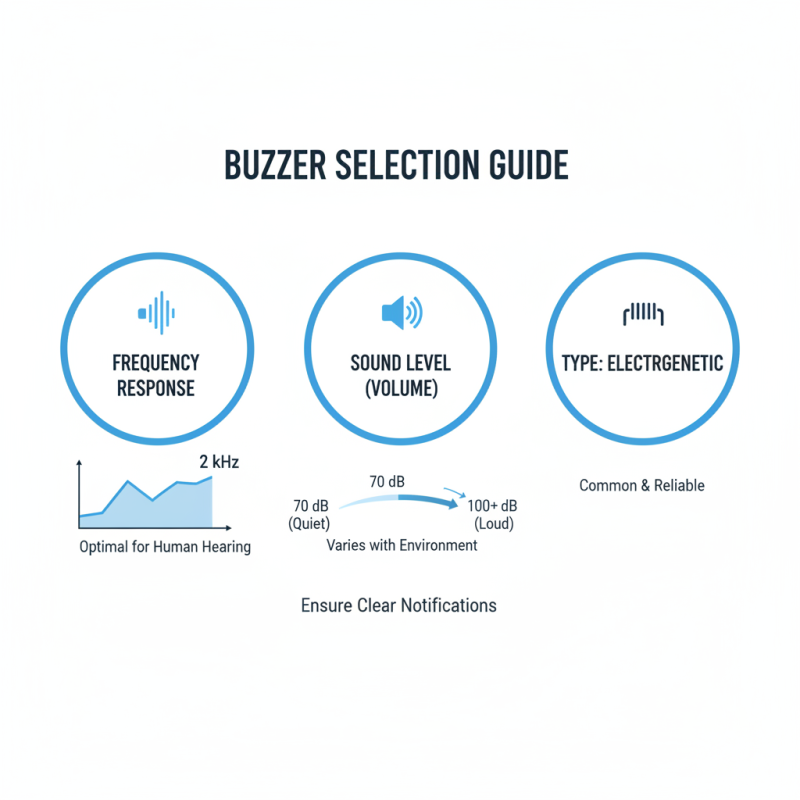
When selecting an electro magnetic buzzer, understanding key specifications is essential. Frequency response is crucial. Buzzers typically operate between 2kHz and 4kHz. This range is optimal for human hearing, ensuring clear and audible notifications. According to industry reports, buzzers can produce sound levels from 70 dB to over 100 dB, which influences their effectiveness in varied environments.
Another vital factor is power consumption. Many buzzers operate efficiently at low voltage, often in a range of 3V to 24V. Low power consumption can undoubtedly prolong battery life, which is important for portable applications. Selecting a buzzer that meets your project's energy requirements can reduce costs significantly. However, the trade-off between volume and power use requires careful consideration.
Lastly, consider the physical dimensions. Compact designs are often preferred in consumer electronics. Yet, larger buzzers may deliver better sound quality. Striking a balance between size and performance is crucial for your specific application. Following these guidelines will help you make an informed choice, contributing to the overall success of your project.
Evaluating the Size and Shape for Your Project Needs
When selecting an electro magnetic buzzer, size and shape are crucial factors. Compact projects may need smaller buzzers. However, these can sometimes compromise sound output. As a rule, consider the dimensions that will fit your design. A buzzer that is too large may not integrate well, while one that is too small might not deliver sufficient sound.
The shape should align with your project aesthetics. Round buzzers fit easily into tight spaces. Rectangular ones can be used for more pronounced designs. Some projects may require securing the buzzer; thus, mounting options are essential. Ensure that the chosen shape allows for easy installation. This can prevent future headaches during assembly.
Do not overlook the importance of these details. Test various sizes to find what works best. Sometimes, what seems ideal on paper does not fit the real-world application perfectly. Reflect on your project's needs carefully, and do not hesitate to reconsider your initial choices. Balancing technical needs and physical constraints will lead to a more successful outcome.
Noise Levels and Sound Quality: What to Look For
When selecting an electro magnetic buzzer, understanding noise levels is crucial. Noise levels are measured in decibels (dB), with most buzzers ranging from 70 dB to 120 dB. A buzzer at 70 dB might be suitable for quieter environments, while a 120 dB unit is loud enough to be heard in noisy settings. Industry data shows that for alarm systems, buzzers above 100 dB are often recommended. This ensures that the sound effectively captures attention even in high-traffic areas.
Sound quality is another factor to examine. It refers to how clear and distinct the buzzer's tone is.
High-quality buzzers can produce a sharp, consistent sound that can be easily distinguished from background noise. Research suggests that frequencies between 2 kHz and 4 kHz are optimal for alerting purposes. This range effectively penetrates ambient noise, ensuring your message is delivered clearly. However, not all buzzers perform similarly. Some may produce a harsh sound that can be jarring or unpleasant.
This aspect warrants careful testing before making a decision. Quality assurance reports often indicate significant variability in sound quality among different models. Attention to these details could profoundly impact the effectiveness of your project.
Comparing Price and Performance Among Different Models
When selecting an electro magnetic buzzer, comparing price and performance is critical. The market offers a wide range of models, but understanding their specifications is vital. A study by Research Nester reveals that buzzers vary significantly in sound output and power consumption. This discrepancy can impact both project design and overall costs.
One tip is to evaluate the sound pressure level (SPL) specified in decibels. A higher SPL means loudness but often comes with a higher price tag. Many models operate effectively at different voltage levels, so it’s crucial to match these specifications with your project's power supply. Be wary of specifications that seem too good to be true; they might compromise performance.
Another aspect to consider is durability. Some buzzers are designed for specific environments. A report from the International Electrotechnical Commission highlights that operational longevity can differ between brands due to material quality. Skimping on quality to save costs can lead to failures in critical applications. As you explore options, keep these factors in mind to ensure a balance of affordability and reliability.