Essential Tips for Choosing the Right Piezo Pressure Sensor?
When selecting a Piezo Pressure Sensor, understanding its features is crucial. These sensors are known for their high sensitivity and fast response time. They convert pressure changes into electrical signals effectively. Choosing the right sensor can enhance measurement accuracy in various applications, such as industrial automation, automotive testing, and medical devices.
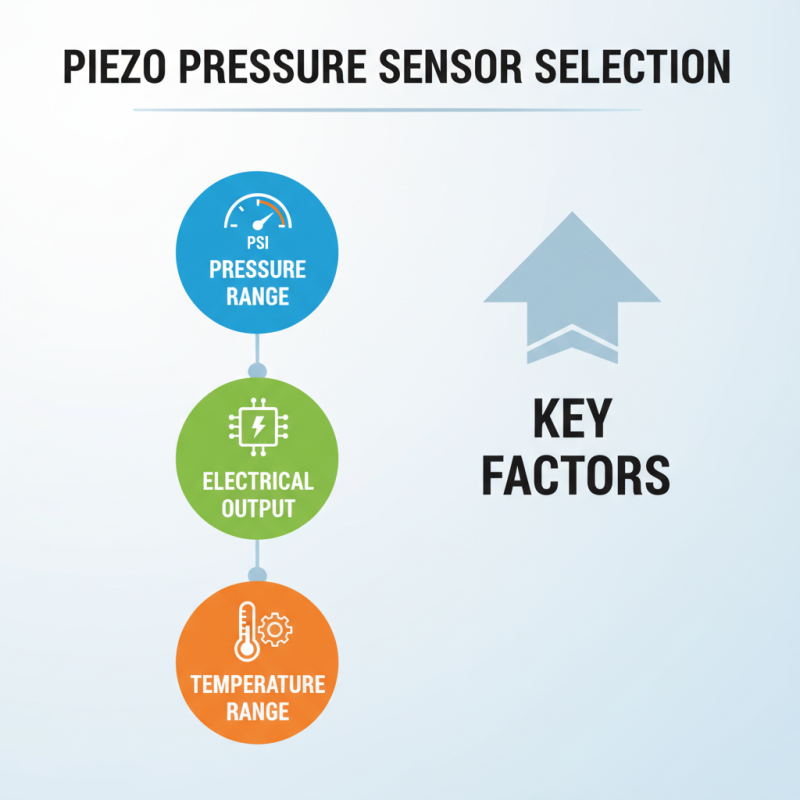
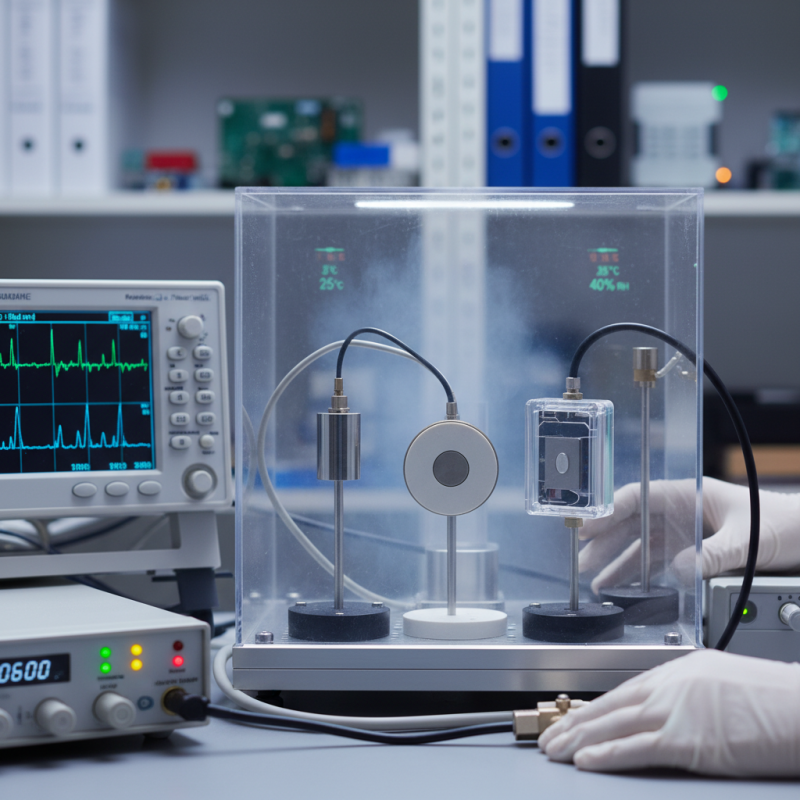
Consider the operating environment. Different sensors perform under varying conditions. Factors like temperature, humidity, and pressure range play vital roles. A reliable sensor should withstand these conditions without compromising performance. Additionally, reflect on the specific requirements of your project. Is precision the priority, or is a fast response more critical?
Another aspect is the sensor's compatibility with your system. Different models vary in output types, voltages, and sizes. Understanding these specifications helps ensure your chosen Piezo Pressure Sensor integrates smoothly. Take the time to research and consult experts. Rushing may lead to choices that fall short of expectations.
Understanding the Basics of Piezo Pressure Sensors
Piezo pressure sensors are critical in various applications, from industrial machinery to medical devices. Understanding their functionality is essential. These sensors convert pressure into an electrical signal. They excel in measuring dynamic pressure changes, making them ideal for real-time monitoring systems. Research indicates that the global piezoelectric sensor market is expected to reach $3.5 billion by 2026, reflecting a growing demand across sectors.
When selecting a piezo pressure sensor, consider key factors like sensitivity, range, and response time. Sensitivity denotes how small a pressure change the sensor can detect. A high sensitivity is crucial for accurate measurements in applications like biomedical diagnostics. Response time matters, too. Many low-cost sensors may offer slower response rates. This could affect performance in fast-paced environments. Take time to assess these attributes carefully.
Proper installation and calibration can influence performance. In certain scenarios, users may overlook environmental factors that impact readings. Variations in temperature or proximity to other machinery can skew results. Developing an understanding of these variables is vital for optimal sensor performance. Only thorough evaluation and a solid grasp of these fundamentals can lead to successful application of piezo pressure sensors.
Essential Tips for Choosing the Right Piezo Pressure Sensor
| Attribute |
Description |
Importance |
| Sensitivity |
Measure of how much output signal changes in response to pressure change. |
High |
| Temperature Range |
Operating temperatures within which the sensor can function accurately. |
Medium |
| Frequency Response |
Ability to accurately measure changing pressure over time. |
High |
| Size |
Dimensions of the sensor affecting installation and integration. |
Medium |
| Response Time |
Time taken by the sensor to respond to changes in pressure. |
High |
| Durability |
Resistance to mechanical stress and environmental conditions. |
High |
| Calibration |
Procedure to ensure accuracy of sensor measurements. |
High |
Comparing Different Types of Piezo Pressure Sensors
When selecting a piezo pressure sensor, understanding the different types available is crucial. There are two main types: dynamic and static sensors. Dynamic sensors are ideal for measuring rapidly changing pressures, like those found in aerospace applications. They respond quickly to fluctuations, providing real-time data on pressure changes. Static sensors, on the other hand, excel at capturing steady-state pressures over longer periods. These are often used in industrial settings or in monitoring environments where pressure remains constant.
Another aspect to consider is the sensor’s sensitivity and output type. Some sensors deliver analog signals, which are easier to integrate into existing systems, while others provide digital outputs, offering clearer data but requiring more complex processing. It’s important to choose one that matches your application’s technical requirements. Not all sensors measure the same range of pressures, and some may take time to calibrate, which can slow down implementation.
It’s also essential to consider the environment in which the sensor operates. Temperature extremes or corrosive substances can affect performance. Reflect on how these factors might impact reliability. Maintaining a balance between quality and cost is vital. A lower price might compromise accuracy or durability. Always weigh short-term savings against potential long-term costs of failure. You may find ideal options exist just outside your initial budget. Choose wisely.
Application Scenarios for Piezo Pressure Sensors
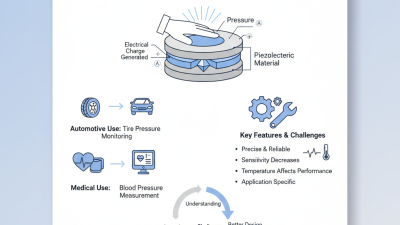
Piezo pressure sensors find diverse applications across various industries. In the automotive sector, these sensors play a critical role in monitoring tire pressure. They help ensure safety and improve vehicle performance. In manufacturing, they are used for detecting pressure changes in hydraulic systems. This ensures machines operate within safe limits.
Medical instruments also benefit from piezo pressure sensors. They are used in devices that monitor blood pressure. The accuracy of these sensors can directly impact patient care. However, challenges exist in ensuring these sensors remain reliable under all conditions. Fluctuations in temperature or humidity can affect performance. Engineers must consider these factors when implementing piezo sensors.
Another application is in aerospace. Here, they monitor pressure in fuel systems. High precision is necessary for safety. In research, piezo sensors are utilized in experiments requiring accurate pressure readings. Despite their versatility, users must evaluate the environment before selection. Factors like vibration or shock could affect sensor readings. Each scenario requires careful consideration to ensure the right fit.
Maintenance Tips for Optimal Performance of Piezo Pressure Sensors
Proper maintenance of piezo pressure sensors is vital for their long-term accuracy and reliability. Regular calibration is essential. Research indicates that up to 15% of sensor inaccuracies stem from improper calibration procedures. Performing routine checks can ensure the sensors remain within their specified operational range.
Another critical aspect of maintenance is environmental control. Piezo sensors can be sensitive to temperature and humidity. High humidity can lead to corrosion, affecting sensor performance. A study revealed that sensors exposed to extreme temperatures showed a 20% decrease in lifespan. Ensure temperature and humidity levels are monitored continuously.
Cleaning the sensors also plays a significant role in upkeep. Dust and debris can lead to false readings. Use a soft cloth for cleaning; abrasive materials can damage sensor surfaces. Some technicians report improvements in sensor performance after regular cleaning protocols. Regular maintenance may feel like an added task, but it is crucial for optimal operation.