Why High Pressure Sensors Are Essential for Modern Industries?
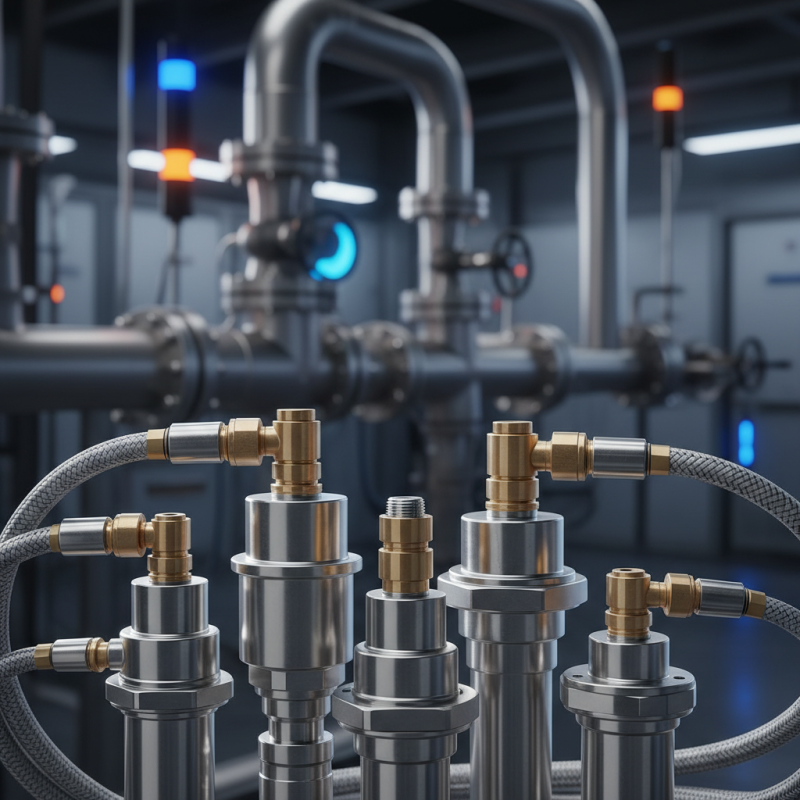
In today's industrial landscape, High Pressure Sensors play a pivotal role. These sensors monitor and manage pressure levels in various processes. Industries rely on accurate pressure readings to ensure safety and efficiency.
High Pressure Sensors are crucial in sectors like oil and gas, aerospace, and manufacturing. They prevent equipment failure and enhance operational effectiveness. Without reliable sensors, companies risk facing severe safety issues and potential losses.
However, not all applications utilize High Pressure Sensors effectively. Some industries overlook their importance, leading to inefficiencies. Understanding their value is essential for modern operations. Investing in quality High Pressure Sensors can greatly improve productivity and safety standards.
Importance of High Pressure Sensors in Industrial Applications
High pressure sensors play a crucial role in modern industries. These devices monitor and control various processes that involve high pressure. According to industry reports, around 70% of industrial processes rely on accurate pressure measurement. This is vital to ensure safety and efficiency.
In oil and gas, high pressure sensors help avoid catastrophic failures. A survey found that improper pressure management resulted in 40% of reported accidents. These sensors provide real-time data, enabling quick responses to anomalies. Additionally, their accuracy can lead to a 15% reduction in energy consumption. This is significant in industries where energy costs are a major concern.
However, not all sensors perform well in extreme conditions. Some data shows that up to 30% of industrial sensors fail due to harsh environments. This raises questions about reliability and longevity. Industries must carefully evaluate their sensor choices to ensure optimal performance. Proper maintenance and calibration can enhance longevity but require additional resources.
Types of High Pressure Sensors Used Across Various Industries
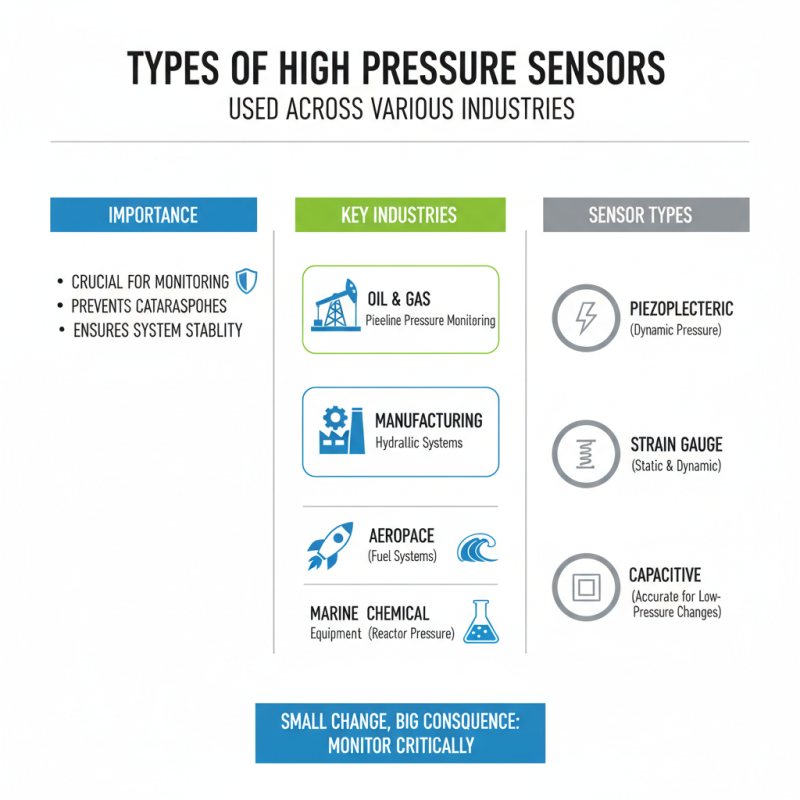
High pressure sensors play a crucial role in various industries. These devices are essential for monitoring the pressure in systems where high-pressure environments exist. In oil and gas, for example, sensors ensure that pipeline pressures remain stable. If something goes wrong, even a small pressure change can lead to significant consequences.
Different types of high-pressure sensors are used. Piezoelectric sensors are popular in automotive sectors. They respond quickly to pressure changes. Strain gauge sensors, on the other hand, provide accurate readings in manufacturing processes. They can measure static and dynamic pressures effectively. Capacitive sensors are often used in chemical industries due to their durability.
However, selecting the right sensor can be challenging. Industry professionals must consider operating conditions. Temperature and media compatibility are critical factors. Sometimes, inadequate training leads to sensor miscalculations. Not understanding the capabilities of a chosen sensor can result in errors in data collection. There is always room for improvement in sensor selection and maintenance protocols.
Key Technologies Behind High Pressure Sensor Functionality
High pressure sensors play a crucial role in modern industries. They ensure safety, efficiency, and reliability. These sensors can monitor high-pressure conditions in various applications. They are used in sectors like oil and gas, aerospace, and chemical manufacturing. Understanding the key technologies behind their functionality is essential.
One widely used technology is piezoelectric sensing. This method relies on materials that generate an electric charge under pressure. It's effective but can be sensitive to temperature changes. Another important technology is strain gauge sensing. This approach measures the deformation of materials under stress. It’s reliable, yet it may need recalibration over time to maintain accuracy.
Digital signal processing also enhances sensor capabilities. This technology improves data analysis and helps reduce noise. However, the complexity can sometimes lead to misinterpretation of data. Additionally, wireless technology is revolutionizing sensor applications. It allows for real-time monitoring, but battery life can be a concern. Balancing technology and practicality is key in high-pressure sensor design.
Benefits of Implementing High Pressure Sensors in Manufacturing Processes
High pressure sensors play a crucial role in manufacturing processes today. These sensors monitor and control pressure levels in various applications, ensuring safety and efficiency. When pressure readings are accurate, the entire system operates smoothly. This is particularly vital in industries like petrochemicals, food processing, and pharmaceuticals.
Implementing high pressure sensors can lead to significant benefits. They enhance product quality by maintaining optimal pressure conditions. This reduces the risk of product defects that may arise from pressure fluctuations. Moreover, these sensors can help identify equipment malfunctions early. This proactive approach can prevent costly downtime and repairs. However, not all sensors provide the same level of reliability. Companies need to choose wisely to avoid issues later.
Integrating high pressure sensors into manufacturing processes is not without challenges. There can be initial costs for installation and calibration that some companies struggle to justify. Additionally, staff training is often required, as many are not familiar with the technology. This can result in delays and temporary disruptions. Nevertheless, the long-term gains often outweigh these short-term hurdles. The potential for increased safety and efficiency is undeniable.
Importance of High Pressure Sensors in Modern Manufacturing
Future Trends in High Pressure Sensor Development and Usage
High-pressure sensors are going through significant evolution in modern industries. A report predicts that the global market for these sensors will grow at a compound annual growth rate (CAGR) of 6.2% from 2023 to 2030. With advancements in technology, smart sensors are emerging. They can now interact with other devices and provide real-time data. This trend is crucial in sectors like oil and gas, where precision is paramount.
Another trend is the miniaturization of sensors. Smaller sensors can fit into tighter spaces while maintaining accuracy. This is essential for applications in aerospace and automotive industries. Additionally, the rise of the Internet of Things (IoT) is influencing sensor design. Sensors that can connect to networks are more sought after. Yet, challenges remain. Not all industries have adopted smart sensors. Some still rely on outdated technology, which can hinder operational efficiency.
Moreover, as industries push for sustainability, pressure sensors will need to adapt. There is an increasing demand for eco-friendly materials in sensor design. This transformation could lead to higher costs and longer development times, an area that needs careful consideration. In sum, the future of high-pressure sensor development appears promising, yet demands attention to both innovation and sustainability.