2026 How to Choose the Best Modular Speaker for Your Home Audio System?
In recent years, the popularity of modular speakers has surged in home audio systems. Renowned audio engineer Mark DeMichele emphasizes, "Choosing the right modular speaker can elevate your listening experience to new heights." This assertion resonates with audiophiles seeking optimal sound quality tailored to their unique preferences.
Modular speakers offer flexibility that traditional systems lack. They allow consumers to customize their setup based on personal desires and the specific acoustics of a room. With various configurations and components available, users can mix and match to achieve a perfect sound profile. However, making this choice can be overwhelming. Each modular speaker comes with its own set of features, capabilities, and price points.
Considering the nuances of modular speakers is essential. Potential users might overlook compatibility issues or the nuances of speaker placement that influence sound quality. The pursuit of the best modular speaker requires careful thought and consideration. It’s vital to explore different options and seek expert opinions. After all, not every modular speaker will meet individual acoustic needs. Taking the time to reflect on these factors can lead to a more satisfying auditory experience.
Understanding Modular Speakers: Key Concepts and Features
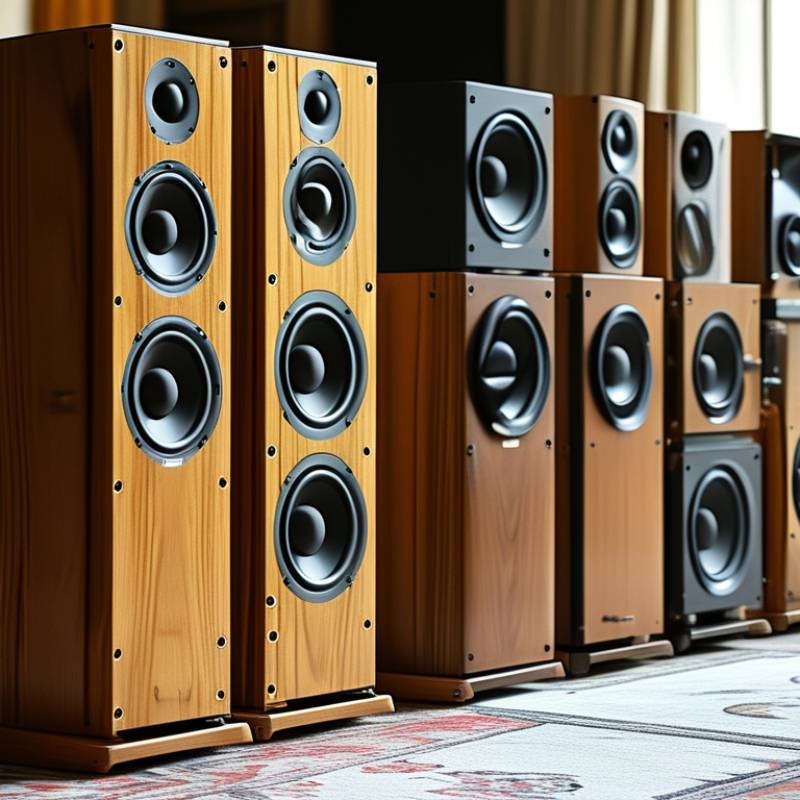
When selecting modular speakers, understanding their key concepts is vital. Modular speakers offer flexibility and customization. Users can choose different components based on their specific audio needs. These systems allow you to mix and match drivers, enclosures, and amplification options to craft a sound tailored to your environment. Compatibility is crucial; ensure each component works well with others to avoid potential performance issues.
Tips: Always check the frequency response of the speakers. It indicates how well the speaker can reproduce different audio tones. Additionally, consider the size of your space when choosing speaker components. Larger rooms may need more powerful drivers compared to smaller areas.
Another essential feature is the connectivity options. Wireless systems offer convenience, but wired connections can provide higher sound quality. Evaluate your listening habits. If you often change setups, a versatile modular system may serve you better. Think about your future needs, too; having upgradable components will save money down the line.
Assessing Sound Quality: Decibels, Frequency Response, and More
When choosing a modular speaker for your home audio system, sound quality is paramount. Key elements include decibels and frequency response. Decibels measure loudness. A higher decibel level means louder sound but can also cause distortion. Establish a balance; clarity in sound is crucial.
Frequency response captures how well a speaker reproduces different tones. A broad range is often ideal, encompassing deep bass to high treble. Many speakers can advertise wide ranges, but the real-world performance can vary. Test them at low and high volumes; some may sound great in isolation but falter under stress.
Assessing audio quality isn't just about numbers. It's about listening. Personal preference plays a significant role. You may prefer bass-heavy sounds, while someone else might favor clearer highs. Consider the space where you'll use the speakers. Room acoustics can profoundly impact how audio feels. Balancing these factors isn't always straightforward and may require several attempts to get right.
2026 How to Choose the Best Modular Speaker for Your Home Audio System?
| Dimension |
Specification |
| Sound Quality |
95-105 dB |
| Frequency Response |
20 Hz - 20 kHz |
| Impedance |
4 - 8 Ohms |
| Connectivity |
Bluetooth, Wi-Fi, Auxiliary |
| Power Output |
50 - 200 Watts |
| Size |
10" x 12" x 14" |
| Weight |
10 - 25 lbs |
| Warranty |
1 - 5 Years |
Compatibility with Your Home Audio System: What to Consider
When selecting a modular speaker for your home audio system, compatibility is key. The latest market report from the Consumer Technology Association indicates that over 75% of consumers prefer speakers that easily integrate with their existing systems. This statistic underscores the importance of checking connectivity options. Look into Bluetooth, Wi-Fi, or wired connections based on your setup. Not all speakers will sync seamlessly with older systems.
Consider the type of audio sources you use. Research indicates that nearly 60% of households have a mix of digital and analog sources. If you have vinyl records or older devices, ensure your modular speaker supports those connections. Many modern speakers may not cater to legacy technology, which can limit your options.
Additionally, pay attention to audio format compatibility. Certain speakers may excel in handling high-resolution audio files. Yet, if your system primarily uses compressed formats, this feature might be unnecessary. Many audiophiles report a frustrating mismatch between audio quality and speaker performance. Take time to assess your needs and avoid common pitfalls that can arise from overlooking compatibility.
Budgeting for Your Modular Speaker: Price Ranges and Value
When budgeting for a modular speaker, it's essential to understand price ranges. Modular speakers can vary significantly in cost. Entry-level models might start around $200. Mid-range options can range from $500 to $800. High-end systems, with advanced features, may exceed $1,500. This wide range allows you to explore different audio experiences.
Consider what features matter most to you. Do you prioritize sound quality over aesthetics? Or are connectivity options more critical? Research is vital. Many users often overlook the importance of compatibility with existing gear. A speaker might seem appealing but could lead to extra costs if it doesn’t integrate well with your system.
Reflect on your listening habits. If you’re a casual listener, spending too much might lead to regret. However, investing wisely in quality gear can elevate your experience. Seek reliable resources and user reviews. This way, you can make informed choices that reflect both your budget and your audio desires.
Exploring Brands and Models: Top Choices for Home Audio Systems
When selecting the best modular speaker for your home audio system, it's essential to explore various brands and models. According to a recent market report, the modular speaker market is expected to grow by 15% annually, driven by consumer demand for customizable audio solutions. This growth signals a shift toward a more personalized audio experience, highlighting the importance of individual preferences in sound quality and design.
Many consumers prioritize flexibility in their audio setups. Modular speakers allow users to tailor their systems to meet specific needs. For instance, some models offer easy connectivity and integration with smart home devices, enhancing functionality. It's worth noting that not all modular speakers perform equally across different genres of music. A speaker may excel in bass response but lack clarity in mids and highs. Evaluating sound profiles is crucial for achieving balanced audio.
Additionally, user reviews often reveal inconsistencies in durability and ease of setup among various models. Some brands may provide excellent sound quality, yet struggle with build quality. These factors should not be overlooked. Conducting thorough research into available options will greatly influence overall satisfaction. Remember, a well-informed choice can lead to an enhanced audio experience that's both enjoyable and reflective of personal taste.