What is a Piezoelectric Buzzer and How is it Used?
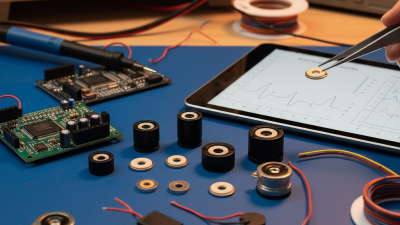
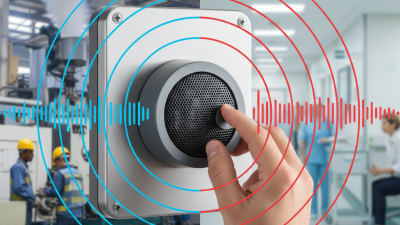
The Piezoelectric Buzzer is a remarkable device widely used in various electronic applications. Its ability to convert electrical energy into mechanical movement makes it essential in consumer electronics, medical devices, and alarms. According to a recent market report by MarketsandMarkets, the global piezoelectric devices market is projected to reach $30.57 billion by 2024, showing a significant demand surge.
These buzzers offer distinct advantages, such as low power consumption and compact size. They operate silently but deliver clear sound frequencies when activated. In certain applications, the sound quality and volume can be less than ideal, prompting designers to rethink their use. Some buzzers may struggle to produce a range of tones, which can limit their effectiveness in complex systems.
While Piezoelectric Buzzers are reliable, they are not without limitations. Their sound output can be affected by surrounding environmental factors. Understanding these nuances is critical for engineers and designers seeking to optimize their use. As technology evolves, the quest for better-performing piezoelectric devices continues, making this field a dynamic area for innovation.
What is Piezoelectricity and Its Principle of Operation?
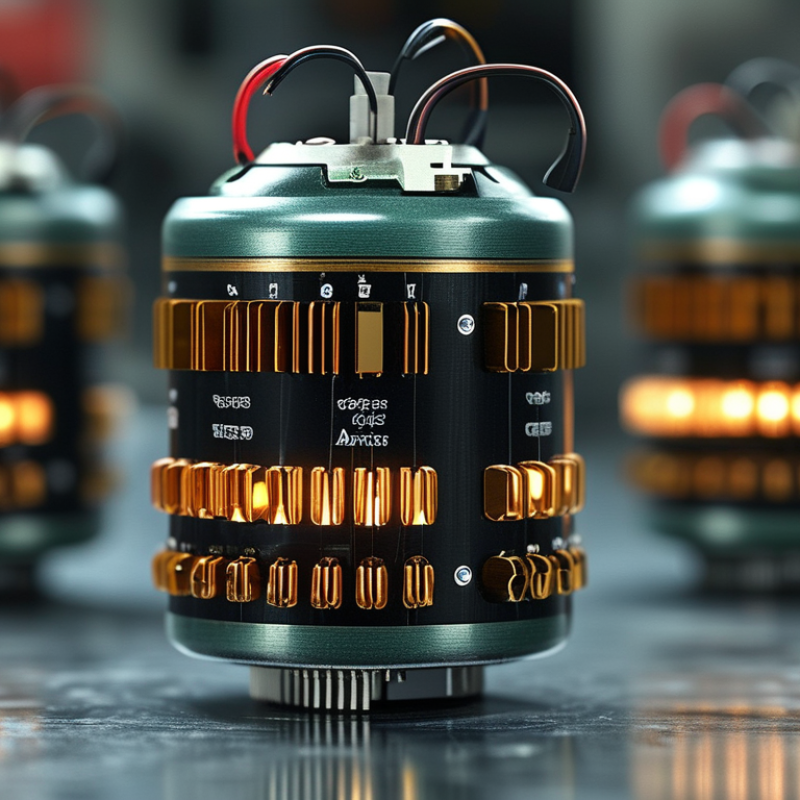
Piezoelectricity refers to the ability of certain materials to generate an electric charge in response to mechanical stress. This unique property is crucial in various applications, particularly in sensors and actuators. The principle allows materials like quartz or ceramics to convert mechanical energy into electrical energy. When these materials are deformed, electrons are displaced, resulting in an electric field.
The functioning of piezoelectric devices, such as buzzers, hinges on this concept. When an electric charge is applied to a piezoelectric material, it vibrates and produces sound waves. This simple method enables efficient sound production. The sound's pitch can be altered by varying the voltage and frequency applied to the buzzer. However, it is essential to note that not all piezoelectric materials behave identically under stress. The efficiency can vary based on the material's composition and structure, leading to both successes and challenges in sound generation.
Despite their advantages, piezoelectric buzzers are not perfect. They may produce unwanted frequencies or fail in extreme conditions. Understanding the limitations of piezoelectricity helps in refining designs, pushing the boundaries of technology. The quest for better materials continues, revealing the complexities of this fascinating phenomenon.
What is a Piezoelectric Buzzer and How is it Used?
| Feature |
Description |
| Operating Principle |
Uses the piezoelectric effect to convert electrical energy into mechanical energy, creating sound. |
| Common Applications |
Used in alarms, timers, and various electronics for alert signals and sound generation. |
| Advantages |
Low power consumption, compact size, durable, and lightweight. |
| Types |
Piezo disc buzzers, piezoelectric speakers, and surface mount buzzers. |
| Typical Frequencies |
Can operate effectively in a range of frequencies from 2 kHz to 4 kHz. |
| Limitations |
Limited sound quality and volume compared to traditional speakers. |
Understanding the Structure and Components of a Piezoelectric Buzzer
Piezoelectric buzzers are fascinating devices that convert electrical energy into sound. Their structure is relatively simple but clever. At the heart of a piezoelectric buzzer is a piezoelectric element. This element typically consists of a crystal or ceramic material. When an electric voltage is applied, the material vibrates, producing sound waves. The frequency and pitch depend on the design and size of the buzzer.
The outer casing of a piezoelectric buzzer usually serves multiple functions. It protects the internal components while also amplifying sound. The material and shape of the casing can significantly influence the quality of the sound produced. For instance, a more rigid casing may enhance the sound projection but could affect the resonance negatively.
Despite their usefulness, piezoelectric buzzers have limitations. They often produce a narrow sound range, which may not suit all applications. Additionally, the volume of sound may be insufficient in noisy environments. Understanding these factors is essential for selecting the right buzzer for a given project. Each component plays a crucial role in performance, making the design a balance between efficiency and functionality.
Types of Piezoelectric Buzzers and Their Applications
Piezoelectric buzzers are versatile components widely utilized in electronic devices. They operate based on the piezoelectric effect, which converts electrical energy into mechanical vibrations. This makes them effective for sound generation. The compact design allows for easy integration into various applications.
There are several types of piezoelectric buzzers. The most common are active and passive buzzers. Active buzzers generate sound when voltage is applied. They are often used in alarms and notifications. Passive buzzers require a signal, such as a square wave, to produce sound. They find applications in musical toys and sound-producing devices.
These buzzers are not without challenges. The sound quality can vary significantly based on design. This may lead to issues in clarity and volume. Additionally, the environmental factors can affect their performance. Users may need to experiment with placement and orientation to achieve the best results. Despite these considerations, piezoelectric buzzers remain a reliable choice for sound applications.
Types of Piezoelectric Buzzers and Their Applications
This chart illustrates the production volume of different types of piezoelectric buzzers. Positional buzzers are mainly used in consumer electronics, while ceramic buzzers find applications in alarms and notifications. High-frequency buzzers are crucial in medical devices, and low-frequency buzzers are often employed in industrial applications.
How to Integrate a Piezoelectric Buzzer in Electronic Circuits
Integrating a piezoelectric buzzer into electronic circuits can significantly enhance audio feedback in various applications. These buzzers convert electrical energy into mechanical energy, producing sound when voltage is applied. Their compact size and lightweight nature make them ideal for portable devices.
To start, choose the right buzzer for your project. Most piezoelectric buzzers come with two terminals. Identify the positive and negative connections. You can connect the buzzer directly to a microcontroller or through a transistor for more control. The circuit requires a simple resistor in series to limit current, safeguarding the buzzer from damage.
Wiring the buzzer can be straightforward, yet common errors may occur. Ensure you have the correct polarity; reversing connections can prevent sound production. Additionally, consider the power source. A weak battery may lead to inconsistent performance. Testing with a multimeter can help identify electrical issues early. Remember, designing involving buzzers requires careful consideration of sound frequency and duration.
Advantages and Limitations of Using Piezoelectric Buzzers
Piezoelectric buzzers are popular in electronic devices due to their unique properties. They convert electrical energy into mechanical vibrations, producing sound. They are widely used in alarms, timers, and toys. According to a recent market analysis, the global piezoelectric buzzer market is expected to reach $2 billion by 2027. This growth is driven by increased demand for compact electronic devices and efficient sound production.
One of the main advantages of piezoelectric buzzers is their low power consumption. They require minimal energy, making them ideal for battery-operated devices. Additionally, they are compact and lightweight, allowing for easy integration into various designs.
However, there are limitations. The sound output may not be as loud as other types of buzzers. In noisy environments, they might struggle to be heard clearly. This is an important consideration in product design.
Moreover, the frequency range of piezoelectric buzzers can be limited. Many models perform best at specific frequencies, which may not be suitable for all applications. Manufacturers must carefully assess their needs before deploying these buzzers. While piezoelectric buzzers are effective for many purposes, their limitations should not be overlooked in design considerations. Balancing their advantages and potential drawbacks is essential for optimal performance.