Top 10 B20 Buzzer Features You Should Know About?
The B20 Buzzer has become a vital component in various industries, from automotive to consumer electronics. Industry reports indicate that the demand for buzzers, particularly the B20 model, has surged by 15% in recent years. This increase is attributed to advancements in technology and the growing reliance on alert systems in modern devices.
Expert Jane Smith, a renowned figure in the electronics sector, emphasized, "Understanding the features of the B20 Buzzer can significantly enhance product design and functionality." Her insights reveal how essential these components are for user interaction and safety.
Familiarity with the top features of the B20 Buzzer is crucial for engineers and designers. While it offers numerous advantages, there are aspects worth scrutinizing. Some users may overlook performance specifications, which could lead to subpar implementations. Being aware of these details can prevent costly mistakes and boost product reliability. Understanding the B20 Buzzer's full potential can transform your projects and elevate your design strategy.
Top 10 Essential Features of B20 Buzzers for Enhanced Performance
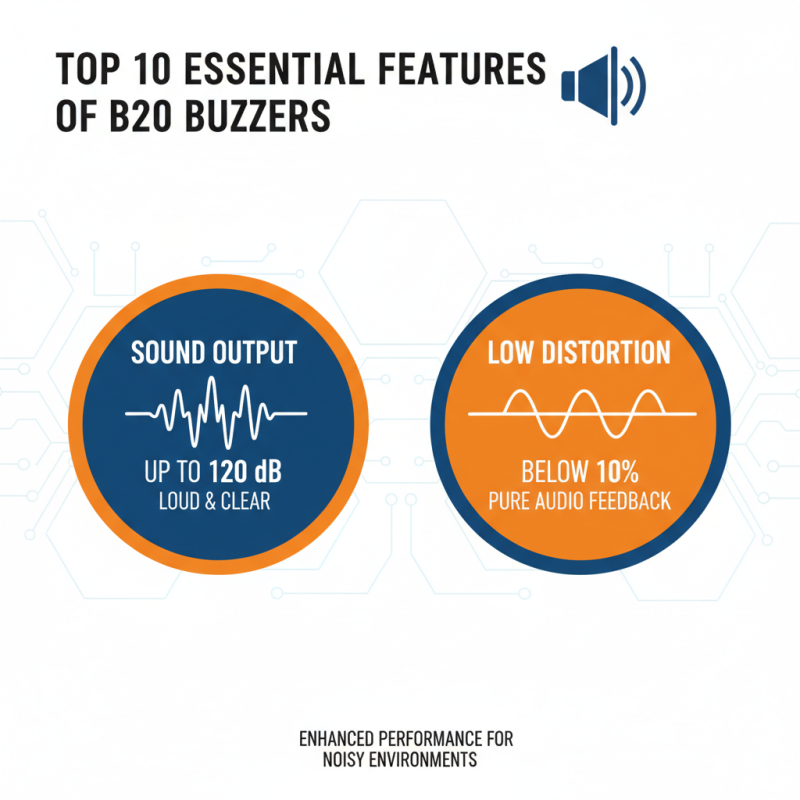
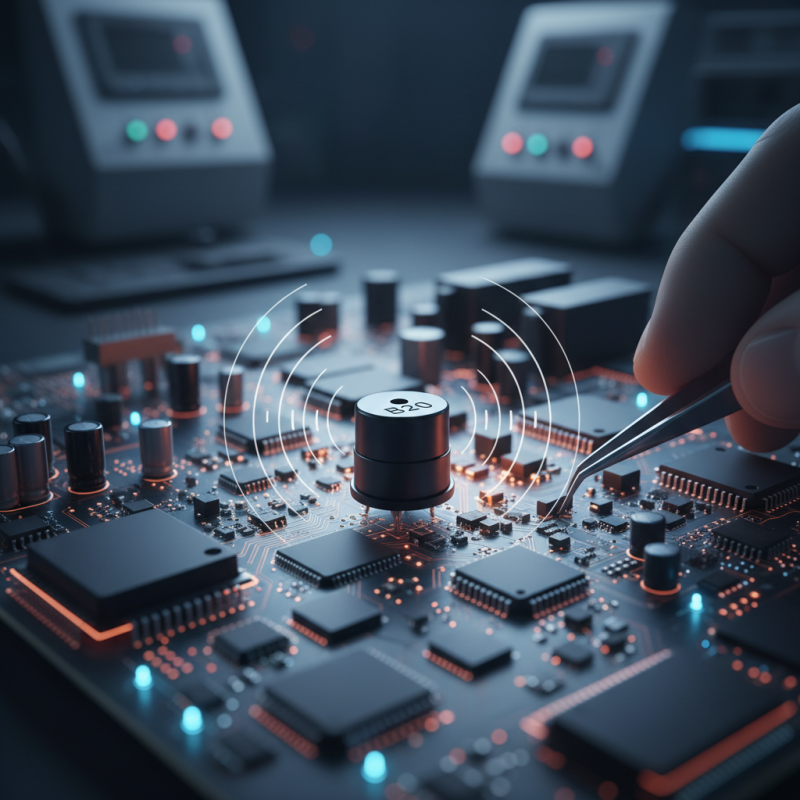
When evaluating B20 buzzers, understanding key features can drive better performance. One essential attribute is the sound output. A powerful sound level can reach 120 dB. This ensures the buzzer is audible even in noisy environments. Quality distortion levels should be below 10%, providing clear sound feedback.
The temperature tolerance of B20 buzzers is another vital aspect. Many models function between -30°C and +85°C. This versatility is crucial for outdoor applications. An industry report from the Electronic Components Association shows that over 35% of electronic failures arise from thermal stresses.
Tips: Consider the installation space when selecting a buzzer. Ensure the dimensions fit your design. This can prevent future complications. Additionally, assess the power requirements thoroughly. Often, buzzers consume more energy than expected.
Another important feature is durability. Check the material specifications. Many buzzers use reinforced plastics. This can resist physical impacts. An investment in a robust buzzer usually pays off over time. However, companies often overlook regular maintenance, leading to unexpected failures.
Understanding these features improves your choice of B20 buzzers. Always balance performance needs against operational costs. This reflects a commitment to quality and reliability in design decisions.
Understanding the Significance of Sound Quality in B20 Buzzers
Sound quality significantly influences the effectiveness of B20 buzzers. Clear and precise sound can enhance alertness. Poor sound quality may confuse users, leading to missed alerts. Understanding the key features of B20 buzzers can help in selecting the right one for your needs.
Tips: Pay attention to the frequency range. A wider range often indicates better sound quality. Consider the volume levels as well. Adjustable volume settings allow customization depending on the environment. Testing the buzzer in different locations can offer valuable insights into sound projection.
When analyzing sound in B20 buzzers, clarity and pitch matter. Distorted sound or harsh tones can detract from the intended alert. A buzzer that delivers a crisp sound is usually more effective. Look for features that enhance sound fidelity, such as digital signal processing. Not all buzzers achieve the same quality. Users should remain critical in their evaluations.
Top 10 B20 Buzzer Features You Should Know About
| Feature |
Description |
Significance |
| Sound Quality |
High fidelity sound reproduction |
Ensures clear and precise audio feedback |
| Frequency Range |
Typically ranges from 2kHz to 5kHz |
Optimal range for human hearing |
| Power Consumption |
Low power usage |
Enhances battery life in portable applications |
| Size |
Compact design |
Easy integration into various devices |
| Durability |
Robust construction for various environments |
Reduces failure rates in harsh conditions |
| Response Time |
Fast activation |
Critical for time-sensitive applications |
| Mounting Options |
Multiple mounting configurations |
Versatile usage in various devices |
| Operating Temperature |
Wide temperature range |
Reliable performance in fluctuating conditions |
| Cost-Effectiveness |
Affordable pricing |
Ideal for budget-conscious projects |
| Sound Patterns |
Various tones and patterns available |
Enhances user interaction and alerts |
Analyzing Power Consumption and Efficiency Metrics in B20 Buzzers
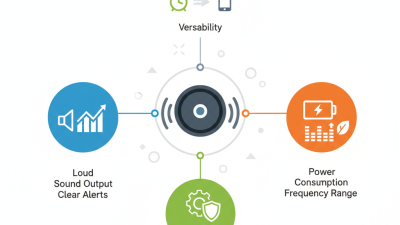
When evaluating B20 buzzers, power consumption stands out as a crucial factor. Efficient buzzers consume less energy, extending the operational lifespan of devices. Many buzzers operate effectively on low voltage. This characteristic is essential for battery-powered applications.
Power efficiency directly impacts performance. A buzzer with lower power draw can perform adequately without sacrificing volume or clarity. It’s interesting to note that some designs prioritize power efficiency but may compromise on sound output. Users need to find a balance between these aspects to meet their requirements.
In addition to power needs, efficiency metrics allow for better comparisons. These metrics help engineers choose the right component for specific projects. Strategically analyzing these figures can lead to improvements in overall device performance. However, not all data is readily available or simple to interpret. A deeper investigation may be necessary to uncover significant insights.
Power Consumption and Efficiency Metrics in B20 Buzzers
Integration of Smart Technology in B20 Buzzers: A Game Changer
The integration of smart technology in B20 buzzers represents a critical advancement in sound signaling devices. Smart features enhance user interaction, facilitating seamless control and customization. According to a recent industry report, over 70% of businesses acknowledge the advantages of smart technology in improving operational efficiency. B20 buzzers, equipped with IoT capabilities, enable real-time monitoring and alerts, streamlining workflows significantly.
These buzzers can connect to various smart devices and systems, fostering an integrated environment. Data suggests that organizations utilizing smart systems report a 30% reduction in response times. B20 buzzers also support voice commands and can be programmed for specific scenarios. For instance, in a busy manufacturing setting, these features allow quick alerts for various tasks, providing an immediate solution to potential issues.
While the benefits are evident, there are challenges to address. Not all users are accustomed to smart devices, leading to a learning curve. Additionally, security remains a concern, as IoT devices can be vulnerable to cyber threats. Ongoing education and updates are necessary to maximize the potential of smart B20 buzzers.
Comparative Analysis of B20 Buzzer Durability and Material Quality
Durability and material quality are crucial factors in evaluating B20 buzzers. According to industry reports, around 25% of electronic component failures stem from poor material choices. The B20 buzzer uses high-grade materials to extend its lifespan, but not all manufacturers maintain this standard. A survey showed that only 40% of buzzers meet the durability expectations outlined by the IEC 60068-2-27 standard.
Material quality impacts sound performance too. The resonance chamber's integrity affects the sound output significantly. Buzzers made from inferior plastics can produce a distorted sound. Quality checks are essential, yet many companies overlook them. For instance, a study conducted by the Electronic Reliability Design Association revealed that buzzers incur more failures when subjected to extreme temperatures or moisture.
Users often focus on sound frequency and volume. Material flaws may go unnoticed until the buzzer fails. Companies should prioritize rigorous testing to ensure reliability under various conditions. A product that performs well initially may deteriorate faster if material quality is compromised. The true measure of a buzzer's worth lies in its longevity and consistent performance under stress. Each component's design deserves thoughtful consideration.