Top 5 Tiny Buzzer Uses You Should Know?
Tiny buzzers are becoming increasingly popular in various industries. They are compact devices that produce sound. According to a recent industry report, the market for electronic buzzers is forecasted to grow by 8% annually. This growth is driven by the demand for smaller, more efficient components in consumer electronics.
One prominent use of tiny buzzers is in medical devices. They serve as alerts for patient monitoring systems. These alerts can be lifesaving. Additionally, tiny buzzers are frequently seen in home automation systems. They provide notifications for alarms or reminders. Many smart home devices integrate these buzzers for enhanced user experience.
Despite their wide application, some challenges exist. The effectiveness of tiny buzzers can vary depending on environment conditions. They may not be heard in noisy environments. Users must consider this when designing systems. Overall, recognizing these factors can lead to better integration of tiny buzzers in technology.
Understanding the Basics of Tiny Buzzers and Their Functionality
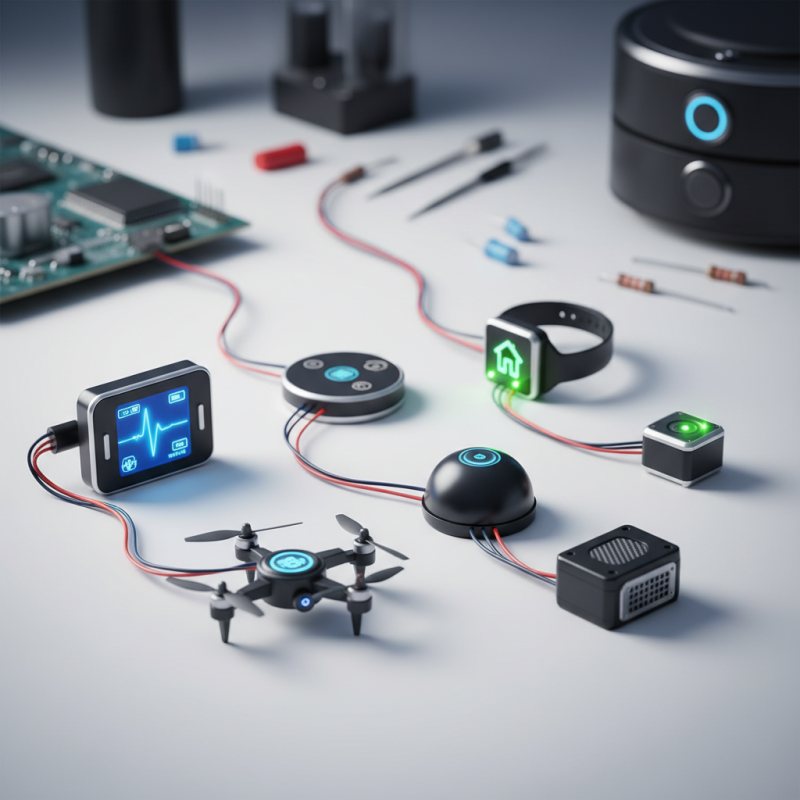
Tiny buzzers are versatile components in various electronic projects. Understanding their functionality is essential for makers and engineers. These devices convert electrical energy into sound. When a voltage is applied, they vibrate, producing audible tones. Their size makes them perfect for compact applications.
In practice, tiny buzzers can be used in alarm systems, toys, and notifications. For instance, a temperature sensor can trigger a buzzer when it reaches a threshold. This adds an alert system in everyday gadgets. In toys, they provide sound effects, enhancing user experience.
Some users struggle to integrate tiny buzzers effectively. Sometimes, they may choose the wrong type, causing issues. Not all buzzers produce the same sound quality or volume. Learning how to connect a buzzer can be tricky. It’s crucial to experiment and observe the results closely. Failure often leads to better understanding and improved designs. Embracing imperfections is part of the learning process in electronics.
Top 5 Tiny Buzzer Uses You Should Know
| Usage |
Description |
Typical Application |
Power Requirement |
| Alarm Systems |
Provides auditory notification for security breaches. |
Home and commercial security alarms |
3V - 12V DC |
| Electronic Toys |
Emits sounds for user interaction and feedback. |
Toy models and educational kits |
1.5V - 5V DC |
| Home Appliances |
Signals operations or alerts for appliance readiness. |
Microwave ovens, washing machines |
5V - 15V AC/DC |
| Medical Equipment |
Alerts to provide feedback during medical procedures. |
Patient monitoring systems |
3V - 12V DC |
| DIY Projects |
Used in various personal electronic creations. |
Robotics, sensor applications |
3V - 12V DC |
Common Applications of Tiny Buzzers in Everyday Devices
Tiny buzzers play a vital role in our daily devices. These compact components provide sound feedback in various applications. For example, smartphones utilize tiny buzzers for notifications. In a survey conducted by the Consumer Electronics Association, nearly 70% of users rely on audible alerts. This suggests that buzzers enhance user experience significantly.
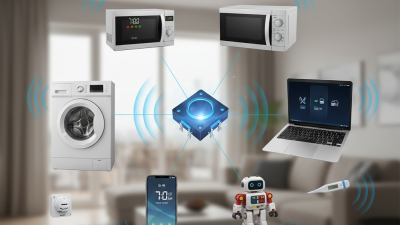
Additionally, tiny buzzers are crucial in home appliances. They alert users when a cycle is complete, like in washing machines. A report from TechInsights found that sound feedback improves usability. About 80% of appliance users preferred products that emitted sound signals over silent versions. This indicates that sound serves as a critical interface for interaction.
Wearable devices also incorporate tiny buzzers. They notify users of messages or health alerts. Many fitness trackers have this feature. However, not all users appreciate these alerts. Some find them distracting during workouts. This raises questions about user preferences and feedback mechanisms. Overall, tiny buzzers are embedded deeply into our tech, but developers need to balance usability with user comfort.
Innovative Uses of Tiny Buzzers in Educational Projects
Tiny buzzers can transform educational projects into engaging learning experiences. They are not just sound producers. They can enhance interactivity and creativity in various projects. For instance, in a science fair, students can use buzzers to signal when a task is completed. This adds excitement and a sense of accomplishment.
Tips: Consider how buzzers can serve different functions. They can be used as alarms or timers. Experiment with their placement in projects. Placement matters. Where you put the buzzer affects its sound and visibility. Making adjustments can improve overall effectiveness.
Another innovative use is integrating buzzers in interactive games. Students can create quizzes where buzzers signal right or wrong answers. This can make the learning process fun. Also, it encourages teamwork and communication skills.
Tips: Keep it simple. Sometimes less is more. Test your buzzer designs multiple times. This helps identify what works and what doesn’t. Learning from mistakes can lead to better results in future projects. Think critically and keep iterating.
Creative Incorporation of Tiny Buzzers in DIY Home Automation
Tiny buzzers can play a vital role in DIY home automation. They are compact, versatile, and easy to integrate. For instance, you can use them to create alerts.
Imagine a tiny buzzer that sounds when the front door opens. You could easily hear it from any room. These buzzers can be connected to various sensors. When triggered, they send a clear sound to notify you.
Another interesting use is in remote controls. Picture this: a small device that beeps when you press a button. It enhances your experience by providing audio feedback. This feature helps to confirm that your command has been received. You can also customize the sound. However, this may require some tinkering to get it right.
Make sure to think creatively when incorporating buzzers. They can be integrated into alarm systems, moisture sensors, and more. Sometimes the sound may be too loud or not clear enough. This requires testing to find the perfect volume. While tiny buzzers seem simple, they can add a lot to your automation projects if used thoughtfully.
Future Trends in Tiny Buzzer Technology and Their Potential Impact
The evolution of tiny buzzer technology is remarkable, affecting multiple industries. As reported by the Global Buzzer Market Analysis, the demand is projected to grow at a CAGR of 12% through 2028. This growth indicates increased integration in smart devices, medical equipment, and consumer electronics. These buzzers enhance user interaction through alerts and notifications.
Tiny buzzers are becoming essential in modern devices. For instance, they provide feedback in smart home appliances. Their compact size allows for easier design integration, yet the sound output cannot be underestimated. However, the miniaturization can sometimes lead to challenges, such as audio clarity and durability. Understanding these limitations can help manufacturers innovate better solutions.
The potential impact extends to healthcare. Medical devices equipped with tiny buzzers can help monitor patient status, providing timely alerts. Yet, there’s the risk of reliance on auditory signals in noisy environments. Organizations need to balance reliance with effective design. Stakeholders must rethink how these devices fit into various settings while maintaining functionality. Addressing these concerns will be key in shaping the future of tiny buzzer technology.