Top 10 Uses of Electromagnetic Buzzers in Everyday Electronics
In the realm of everyday electronics, the significance of the Electromagnetic Buzzer cannot be overstated. Renowned expert in the field of audio engineering, Dr. Jane Adams, emphasizes this point by stating, "Electromagnetic Buzzers are the unsung heroes of our devices, providing crucial auditory feedback that enhances user interaction." From household appliances to personal gadgets, these compact components play a vital role in our daily lives, often going unnoticed despite their integral functions.
In this article, we will explore the top ten applications of Electromagnetic Buzzers, shedding light on how they contribute to user experience and operational efficiency across various devices. Whether signaling an alert or indicating a function, Electromagnetic Buzzers serve as a bridge between technology and user engagement, encapsulating the essence of innovation in sound production. By delving into their uses, we aim to highlight not only the versatility but also the essential nature of these components in the modern electronic landscape.

Applications of Electromagnetic Buzzers in Consumer Electronics
Electromagnetic buzzers have become integral components in various consumer electronics, enhancing functionality and user interaction. These devices utilize electromagnetic forces to produce sound, offering clear auditory signals that are essential in a multitude of applications. Common uses include alerts in home appliances, notifications in mobile devices, and sound alerts in wearables. The simplicity and effectiveness of buzzers make them ideal for signaling conditions, such as alarms or reminders, contributing to a more intuitive user experience.
Tips: When choosing an electromagnetic buzzer for your device, consider the sound output level and frequency range needed for your application. A high-decibel buzzer is suitable for environments with significant background noise, while a lower-frequency buzzer may work better in quieter settings. Additionally, make sure to test the buzzer in the actual application to ensure it meets your expectations for performance and clarity.
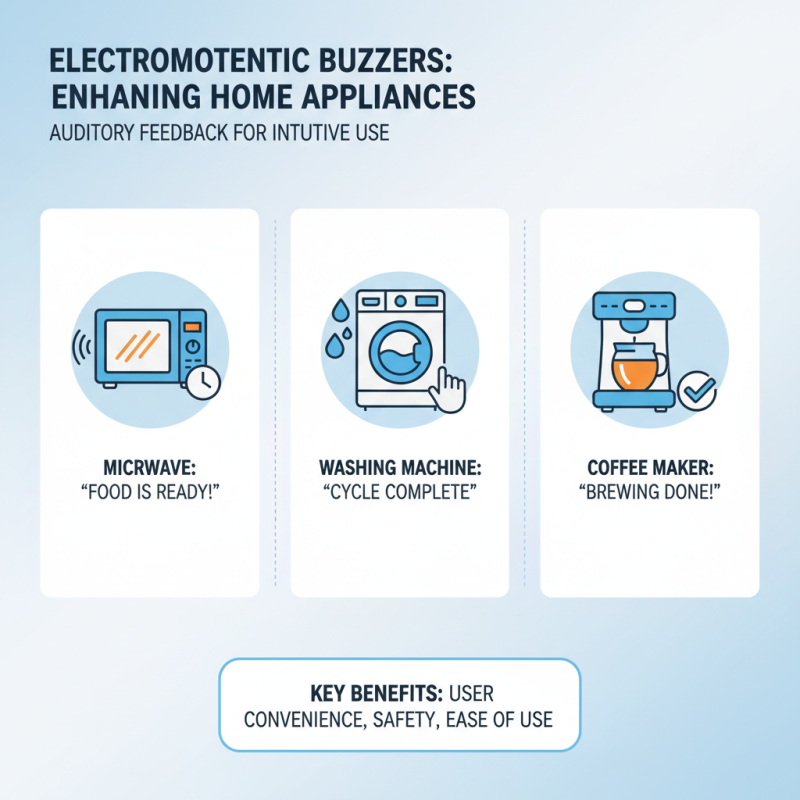
Another notable application is in household devices, where buzzers indicate operational statuses or failure alerts. For instance, kitchen appliances like microwaves or dishwashers often use buzzers to inform users when a cycle is complete. This auditory feedback promotes user awareness, ensuring tasks are completed efficiently and accurately. The versatility and reliability of electromagnetic buzzers continue to play a vital role in improving the functionality of everyday electronics.
Buzzers in Alarm Systems: Enhancing Security and Notification
Alarm systems have become an integral part of everyday security solutions, significantly enhanced by the use of electromagnetic buzzers. These devices produce audible alerts which serve as crucial notifications in various situations, playing a vital role in deterring intruders and alarming occupants. According to a report by MarketsandMarkets, the global alarm system market is expected to grow from $47.45 billion in 2023 to $82.09 billion by 2028, reflecting a heightened focus on security across residential and commercial sectors. This growth is partly attributed to the effectiveness of audio alerts provided by buzzers, which enhance the overall functionality of alarm systems.
The integration of electromagnetic buzzers into alarm systems ensures that even in high-stress scenarios, occupants are quickly informed of potential threats. These buzzers are designed to emit loud sounds that can range from a constant tone to varying pitches, increasing the urgency of the alert. Research indicates that systems equipped with audible alerts can improve response times by up to 40%, as noted in a study published in the Journal of Security Technology. The audible clarity and reliability of buzzers ensure that notifications are not overlooked, reinforcing the importance of implementing such devices in alarm systems for enhanced safety and security.
Role of Buzzers in Home Appliances for User Feedback
In the realm of home appliances, electromagnetic buzzers play a crucial role in enhancing user experience by providing auditory feedback. These compact devices alert users to the status of various appliances, making operations more intuitive and user-friendly. For instance, when a microwave concludes its cooking cycle, the buzzer emits a distinct sound, signaling that the food is ready to be removed. This auditory cue not only prevents user inconvenience but also adds a layer of safety, reducing the chances of forgotten items overheating.
Moreover, buzzers serve essential functions in washing machines and dishwashers by indicating when cycles are complete or if there are issues within the operation. For example, a washing machine might use a series of beeps to inform users that a wash cycle has finished, or in the event of a malfunction, it can alert users to potential problems through different sound patterns. This immediate feedback allows users to address issues promptly, ensuring appliances operate smoothly and safely. Overall, the integration of buzzers in household devices transforms mundane activities into more engaging and manageable experiences, proving that small electronic components can significantly enhance daily life.
Integration of Buzzers in Automotive Systems for Alerts and Signals
The integration of electromagnetic buzzers into automotive systems has become increasingly important in ensuring the safety and functionality of modern vehicles. These small yet powerful devices serve as alert systems for various functions, from signaling seatbelt reminders to providing feedback during navigation. According to a report by Market Research Future, the automotive buzzer market is expected to grow at a CAGR of 7.5% by 2023, driven by the demand for enhanced user interface and safety features in vehicles.
Automotive buzzers are crucial in alerting drivers to potential issues or important reminders. For instance, a continuous beep might indicate that a door is ajar or that the engine needs attention. Their versatility allows them to be employed in both passenger and commercial vehicles, optimizing communication between the car and its occupants. This integration not only enhances the driving experience but also plays a vital role in preventing accidents, reiterating the need for effective auditory signals.
Tip: When designing or choosing an automotive buzzer, consider its sound output level and frequency range to ensure that alerts are perceptible without being overly distracting. Additionally, the placement of buzzers within the vehicle can impact their effectiveness—strategic positioning can help maximize alertness and driver response.
Employing multiple buzzers for different alerts can also improve user experience, ensuring that the driver can differentiate between various warnings effortlessly. By implementing these strategies, automotive manufacturers can leverage buzzers to create a safer and more user-friendly driving environment.
Medical Devices Utilizing Buzzers for Patient Monitoring and Alerts
Electromagnetic buzzers play a crucial role in the realm of medical devices, particularly in enhancing patient monitoring and alert systems. These devices are commonly used in a variety of medical apparatus, including heart rate monitors, thermometers, and patient alert systems, providing immediate auditory feedback to both healthcare professionals and patients. For instance, a buzzer may sound an alarm when a patient's vital signs deviate from pre-set thresholds, ensuring that any significant changes are quickly addressed. This auditory alert system is vital for maintaining patient safety, especially in critical care environments where timely interventions can make a difference in outcomes.
In addition to monitoring vital signs, buzzers are also employed in medication adminstration systems. They provide alerts to both patients and caregivers when it's time for medication, reducing the risk of missed doses and fostering adherence to treatment plans. The incorporation of these buzzers not only enhances patient engagement but also empowers healthcare providers to deliver timely interventions. As technology advances, the integration of electromagnetic buzzers in medical devices continues to evolve, leading to more sophisticated systems that prioritize patient safety and streamline healthcare processes.
Top 10 Uses of Electromagnetic Buzzers in Everyday Electronics
This chart illustrates the various applications of electromagnetic buzzers in medical devices, focusing on their roles in patient monitoring and alerts.