2026 Best Piezo Alarm Sound Options for Global Buyers?
The quest for the best Piezo Alarm Sound options continues to captivate a global market. Industry reports indicate that the global piezoelectric alarm market is projected to grow by 6% annually through 2026. This growth underscores the critical role that effective alarm systems play in various sectors, from safety to consumer products. Experts emphasize the importance of sound quality in these devices. Renowned sound engineer, Dr. Emily Hart, noted, "The right Piezo Alarm Sound can mean the difference between a quick response and a delay in critical situations."
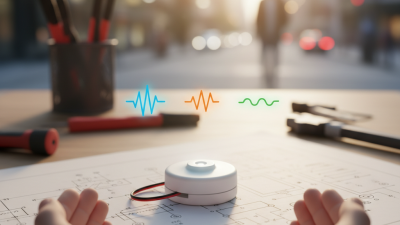
Buyers today are eager for reliable and high-performance alarms. Many are exploring options that offer customized sound frequencies. A study by the International Acoustic Society found that specific frequencies can enhance alertness and response times. However, not all options deliver on these promises. Some products fall short, revealing inconsistencies in sound quality. This raises the question: how can consumers ensure they choose the best available options?
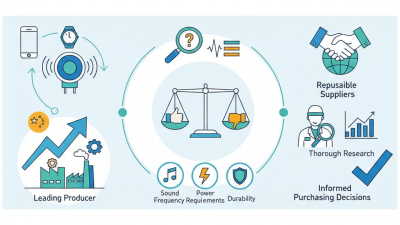
Keeping up with technological advancements is essential. New materials and design innovations are emerging in the Piezo Alarm Sound industry. Ultimately, buyers must balance sound effectiveness with budget considerations. As the market evolves, so does the challenge of selecting the right alarm system. Thorough research and informed decision-making are vital for achieving optimal safety outcomes.
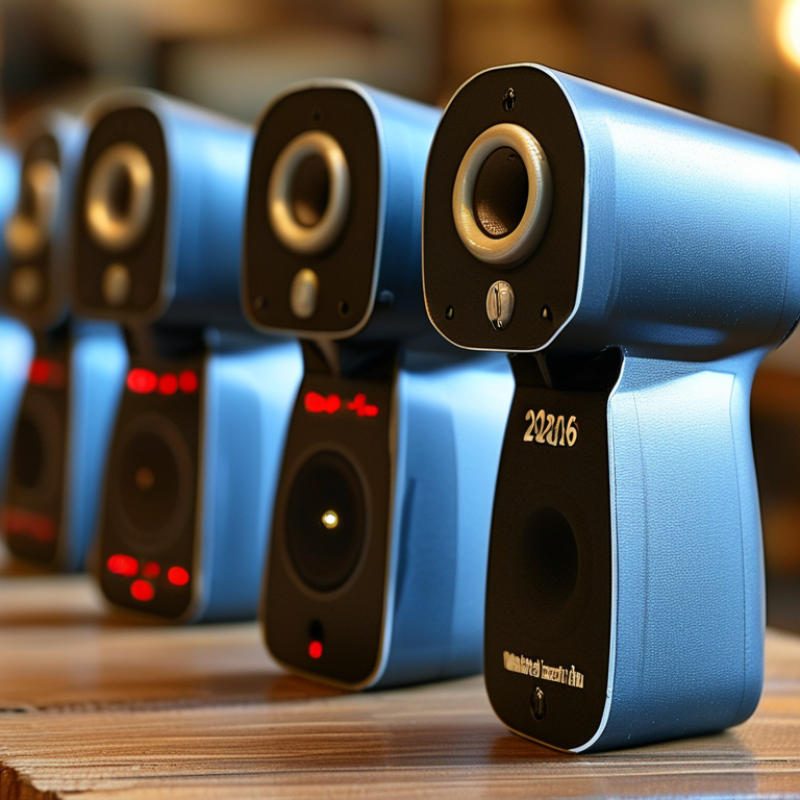
2026 Market Trends in Piezo Alarm Sound Technology for Global Buyers
The world of piezo alarm sound technology is rapidly evolving. In 2026, trends indicate a shift towards more environmentally friendly solutions. Many manufacturers are prioritizing eco-friendly materials. This reflects growing consumer awareness about sustainability and pollution. Users are now seeking alarms that combine high performance with environmental responsibility.
Another prominent trend is the integration of smart technology. Alarm systems are becoming more interconnected. They can sync with other smart devices in homes or offices. This offers convenience and enhances security. Additionally, sound customization is gaining traction. Users can now tailor alarms to their preferences. This personalization adds a new layer of user experience.
However, not everything is perfect. With new features, complexity often increases. Some users may find it challenging to navigate advanced options. The balance between simplicity and advanced technology is essential. Feedback from consumers emphasizes the need for straightforward usability. Industry players must consider these insights when developing new products. Addressing these challenges will be key to success in the evolving market.
Key Features and Specifications of Leading Piezo Alarm Systems
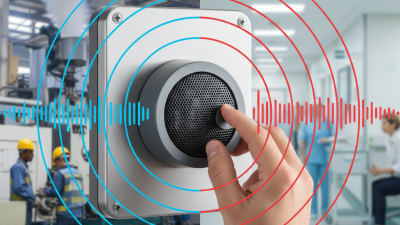
When selecting a piezo alarm system, understanding key features is essential. Many systems incorporate loud sound levels, ensuring alerts are impossible to ignore. The intensity often reaches 110 dB or more. This can be crucial in noisy environments like factories or parking lots. A well-designed piezo alarm is not just loud; it should also be clear. Distinct tones help users quickly identify the source and urgency of the alert.
Another important specification is the power consumption. Systems with lower energy requirements promote efficiency. This is vital for battery-operated alarms, extending their operational lifespan. Additionally, consider the environmental durability of alarms. Weather-resistant models are ideal for outdoor use. They should function effectively in various conditions. Many systems come with IP ratings. These ratings evaluate water and dust resistance, adding to reliability.
Some features may not be as prominent but are important. Adjustable volumes can accommodate different situations. This flexibility enhances usability. Users should also reflect on the best installation practices. Poor placement can reduce an alarm's effectiveness. Lastly, the ease of maintenance is paramount. Regular checks can prevent system failures.
Comparative Analysis of Sound Output in Different Piezo Alarm Models
When considering sound output in piezo alarm models, various factors play a role. The type of piezo element and its configuration significantly affect the sound quality. Some models produce a sharp, piercing tone, which is ideal for alerting in noisy environments. Others may generate a duller sound that could be less effective in capturing attention. Understanding these nuances helps buyers make informed decisions.
Decibels are crucial in this analysis. A louder alarm doesn't always mean better performance. Some lower-output models create a more pleasant sound, which can be easier on the ears. Specific applications may require softer tones to avoid startling users. Experimenting with different sound outputs can reveal preferences that suit particular settings.
User feedback often highlights inconsistencies across various models. A model may perform well in one context but fail in another. There's a need for rigorous testing to ensure reliability. Buyers should seek options that offer adjustable volume levels for tailored experiences. The journey to finding the best piezo alarm then becomes one of trial and error, requiring patience and attention to detail.
Price Ranges and Economic Considerations for Piezo Alarm Purchases
When exploring the price ranges for piezo alarm purchases, it's essential to consider various economic factors. Current market reports indicate that piezo alarm prices typically range from $1 to $15 per unit, depending on features and specifications. The cost can greatly vary based on the complexity of the alarm and its intended application. For example, alarms designed for industrial use often come with higher capabilities, resulting in increased costs.
Additionally, factors such as volume discounts and shipping fees can impact the overall price. Bulk purchases often allow for considerable savings. However, buyers must weigh the cost against the potential performance benefits. While cheaper options may present immediate savings, they may lack durability or sound quality.
According to the Industry Analysts report, choosing higher-quality alarms could reduce maintenance costs in the long run.
Investing in piezo alarms needs careful thought. The initial price point may not capture the total cost of ownership. Some lower-priced alarms might need replacement sooner, which affects long-term expenditure. Analyzing cost-effectiveness requires weighing upfront costs against durability and reliability. Doing so helps buyers make more informed purchasing decisions.
Insights into Consumer Preferences and Feedback on Piezo Alarms
Piezo alarms are gaining attention from consumers worldwide. Many users value their efficiency and reliability. However, preferences can vary significantly based on individual needs and usage scenarios. For instance, some prefer louder alarms for outdoor activities, while others look for softer sounds for home use.
Feedback often highlights the importance of sound quality and clarity. Users report that harsh or jarring tones can be off-putting. Instead, many look for alarms that provide a more pleasant auditory experience. People want alarms that not only alert them but also do so without causing unnecessary stress.
Simplicity in operation is another key factor. A user-friendly interface makes it easier to set up and adjust. However, some users express frustration with overly complex settings. Striking a balance between functionality and ease of use is essential. Consumers appreciate reliable products, but they also want them to be intuitive. Preferences are shaped by unique experiences, making it vital for manufacturers to listen closely to their customer base.