How to Choose the Best Piezo Alarm Sound for Your Needs?
When selecting a Piezo Alarm Sound, several factors come into play. Understanding these elements can lead to an informed decision. Piezo alarms are popular for their effectiveness and clarity. They produce distinct sounds that can catch attention quickly. However, not every sound is suitable for every situation.
Consider the environment where the alarm will be used. An urban setting demands a different sound than a quiet workshop. The frequency and tone can make a considerable difference in how effectively the alarm is noticed. Simple, high-pitched sounds often stand out among general noise. Yet, preferences can vary significantly between individuals and contexts.
While the technical specifications of a Piezo Alarm Sound matter, personal comfort with the sound is crucial. Some people find certain frequencies annoying or stressful. Testing different sounds before making a choice may be beneficial. Ultimately, understanding your specific needs will guide you toward the optimal Piezo Alarm Sound for your requirements.
Understanding Piezo Alarm Sounds and Their Applications
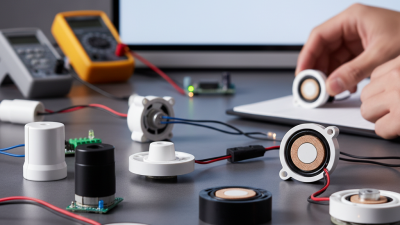
Understanding piezo alarm sounds is essential for their effective application. Piezo alarms are compact devices that produce sound using a piezoelectric crystal. This sound can vary in tone, volume, and duration, making it crucial to select one that meets your needs. Applications include security systems, automotive alerts, and home safety devices. Each scenario demands a unique sound profile.
When choosing a piezo alarm, consider where it will be used. Spaces with high ambient noise levels might require louder alarms. In contrast, quieter environments benefit from softer sounds to avoid annoyance. Always test the alarm in its intended setting to ensure it meets your expectations.
Tips: Ensure the alarm's pitch is distinct enough for its purpose. An unpleasant sound can lead to desensitization, causing users to ignore it. Lastly, think about the duration of the alarm. Alarms that sound for too long may be more irritating than effective. Focus on clarity and attention-grabbing qualities to maximize effectiveness.
Factors to Consider When Choosing a Piezo Alarm Sound
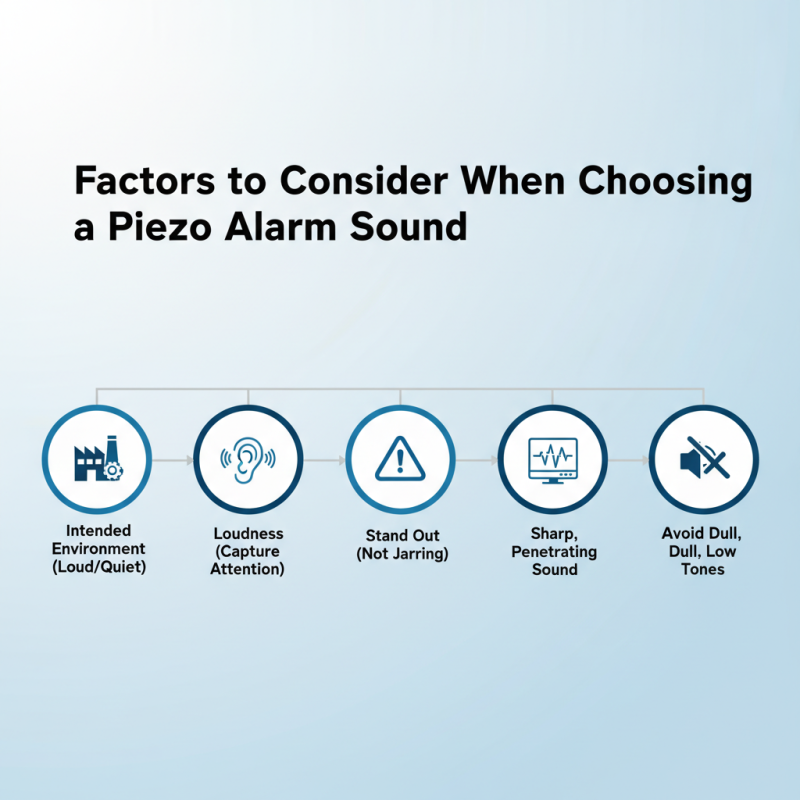
When choosing a piezo alarm sound, consider the intended environment. High-noise areas may require louder alerts. In quieter settings, softer tones might suffice. You want a sound that captures attention immediately. It should stand out without being overly jarring. The frequency and pitch also play crucial roles. A sharp, penetrating sound may grab attention more effectively than a dull, low tone.
Another factor is the duration of the alarm. Short bursts may signify urgency, while prolonged sounds could indicate a sustained hazard. Think about how you intend to use the alarm. Is it for home security, industrial safety, or something else? Each application may have unique requirements.
Consider the range of sounds available. Not all alarms are created equal. Testing different sounds can reveal which resonates best in your specific setting. Personal preference also matters; what feels urgent to one person may not feel the same to another. As you evaluate options, keep in mind the need for clarity and function. Finding the right sound might take some time and reflection, so be prepared to experiment.
Evaluating Volume and Frequency of Piezo Alarm Sounds
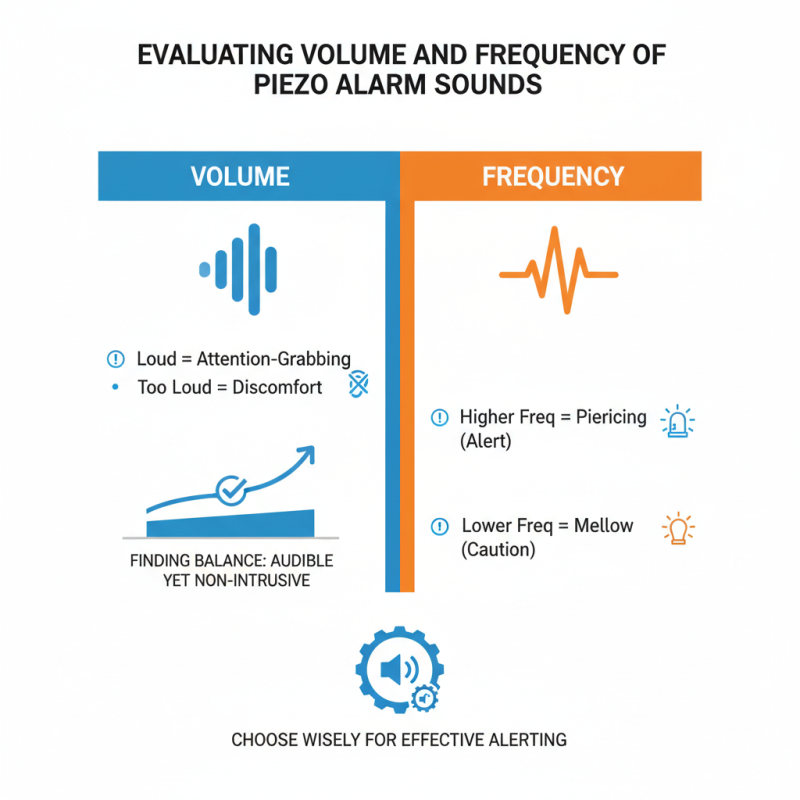
When selecting the right piezo alarm sound, volume and frequency are crucial. A loud sound can catch attention quickly. However, too much volume may cause discomfort. Striking the right balance is essential. Choose a volume that is audible yet non-intrusive.
Frequency also plays a vital role. Higher frequency sounds can be more piercing, making them suitable for emergency alerts. Lower frequencies may be easier on the ears, providing a more pleasant response. Testing different sounds helps identify what suits your needs best.
**Tips:**
- Consider your environment. Different settings may require different volume levels.
- Test sounds in various locations. This helps understand how they travel in space.
- Ask for feedback. Others can provide insights into how effective a sound may be.
Navigating these selections can be tricky. You may think a sound sounds great, but it might not resonate with your intended audience. Take time to reflect on what works best.
Assessing Environmental Conditions for Piezo Alarm Usage
When selecting a piezo alarm, assessing environmental conditions is crucial. Factors such as ambient noise levels and the physical environment play significant roles. For instance, in a bustling warehouse, the alarm must be piercing enough to cut through background noise. An area with frequent machinery operation demands constant evaluation of alarm effectiveness.
Humidity and temperature can also impact sound propagation. In moist environments, for example, sound waves travel differently than in dry conditions. This can alter how clearly an alarm can be heard. Moreover, consider the installation location. Positioning an alarm near walls or corners can enhance sound reflection. However, this might also reduce clarity.
A trial run can reveal unexpected challenges. Perhaps an alarm meets volume needs but lacks clarity at a distance. It’s essential to reassess if the initial choice is still appropriate. Regular reviews of alarm performance help ensure that the system adapts to changing environmental factors. Test different settings to find the most reliable option for your specific situation.
Assessment of Piezo Alarm Sound Levels for Different Environments
Testing and Comparing Different Piezo Alarm Sound Options
When it comes to selecting a piezo alarm sound, testing and comparing various options is crucial. Different sounds elicit different responses. Some may be more effective in alerting users than others. Pay attention to pitch and volume. Higher pitches can cut through background noise better, while lower pitches may feel more urgent.
Consider the environment where the alarm will be used. A loud environment might require a more piercing sound to grab attention. In quieter settings, a subtle sound may suffice. Experimenting with various samples can help identify the right sound. Listen closely to how each affects your focus and emotional response.
Don’t hesitate to involve others during testing. Their feedback can enhance your selection process. Not every sound will resonate the same way with everyone. Documenting reactions also provides insight. You may discover unexpected preferences or aversions. The goal is to find a sound that meets your specific needs while ensuring effectiveness.