What is Buzzer PCB Mount and How to Choose the Right One?
When integrating audio alerts into electronic devices, selecting the appropriate Buzzer PCB Mount is crucial. These components serve as the interface between the buzzer and the printed circuit board (PCB), facilitating sound generation. The choice of a Buzzer PCB Mount is not always straightforward. Various factors come into play, including size, mounting type, and sound output.
It's essential to understand the specifications of your project. Different applications may require different sound frequencies and volumes. In some cases, a less powerful buzzer might suffice. However, ensuring clarity and effectiveness is key. Many users overlook the impact of placement on sound quality. An improperly mounted buzzer can lead to muffled sounds.
Manufacturers offer different types of Buzzer PCB Mounts, each with unique features. Some are designed for surface mounting, while others are through-hole types. Understanding these differences is vital. A poor choice can result in difficulties down the line. The right mount enhances performance and extends durability. As you explore your options, take time to consider both technical requirements and practical applications.
Understanding Buzzer PCB Mount: Overview and Functionality
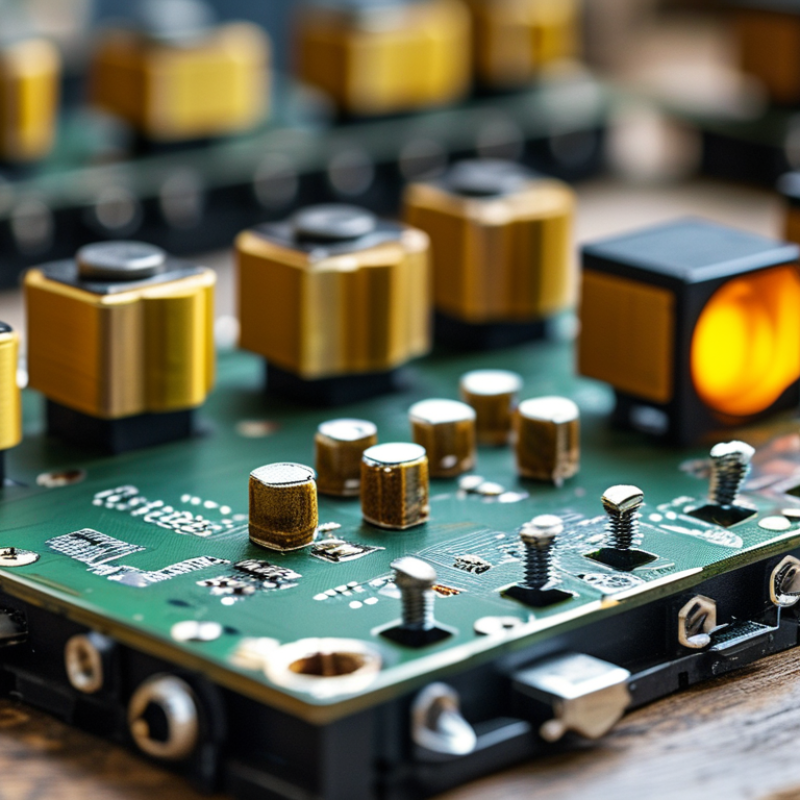
Buzzer PCB mounts are essential components in electronic devices. They allow buzzers to be easily integrated into printed circuit boards. Understanding their functionality is crucial for effective design. These mounts provide stability during operation and protect buzzers from environmental factors.
Installation of a buzzer on a PCB requires careful consideration. The size and type of the buzzer can impact its performance. It's essential to choose a mount that fits securely. A poor fit can lead to issues like buzzing distortion. Always consider the intended use. Will it be exposed to vibrations? You might need extra support in that case.
Tips: Make sure to check the rating of your buzzer before installation; it ensures compatibility with your circuit. Also, take note of the mounting orientation. Improper placement can affect sound output quality. Conduct tests before finalizing the design to avoid unexpected problems.
Types of Buzzer PCB Mounts: A Comprehensive Guide
When selecting a buzzer PCB mount, understanding the various types can significantly influence your project. There are surface mount buzzers, which are compact and easy to integrate into smaller designs. These typically feature a lower profile, making them ideal for space-constrained applications.
Through-hole buzzers, on the other hand, provide a more robust connection to the PCB. They are better suited for environments where vibration or movement is a concern. It’s worth noting that these often require more space on the board.
Depending on your project’s requirements, choosing the right type can steer the overall success of the design.
In addition to the mounting type, consider the sound output and frequency range. High-frequency buzzers may not suit every application. Finding a balance between sound level and component size is crucial. Each decision should reflect both practicality and your specific use case.
Factors to Consider When Choosing a Buzzer PCB Mount
When selecting a buzzer PCB mount, several crucial factors come into play. The size of the buzzer is an essential consideration. Ensure the mount can accommodate the buzzer dimensions. A snug fit reduces vibrations, enhancing sound quality. Equally important is the mounting method. Different buzzers require specific installation techniques. Whether through surface mount or through-hole methods, choose a technique that fits your assembly process.
Tips: Double-check the product datasheet for specifications. This document ensures compatibility and performance.
The operating voltage of the buzzer is another vital factor. Different applications may require different voltage levels. Make sure the mount can support the required voltage. Additionally, consider the environmental conditions. If the buzzer needs to function in harsh conditions, select a robust mount. A durable material will prolong its lifespan.
Tips: Conduct a mock assembly to identify potential fitting issues. This step can save time and resources later.
Buzzer PCB Mount Choices by Size and Application
Installation Tips for Buzzer PCB Mounts in Circuit Boards
When installing a buzzer PCB mount, one key factor is ensuring proper alignment. Misalignment can result in connection failures, affecting performance. According to a survey by the IPC, nearly 40% of circuit board failures stem from poor component placement. Using a precision alignment tool can mitigate risks.
Another important aspect is soldering techniques. The IPC also states that about 20% of defects arise from improper soldering. A clean solder joint ensures reliable electrical connections. Preheating the PCB can help maintain solder flow. Additionally, avoiding excessive thermal exposure can prevent damage to sensitive components.
Incorporating these methods requires attention to detail. The environment also plays a role; dust and humidity can influence the soldering process. Regularly reviewing installation procedures can lead to improvements. Manufacturing data highlights that inconsistent practices can lead to cumulative defects over time, stressing the need for consistency. Proper training of technicians is vital for maintaining quality.
Common Applications of Buzzer PCB Mounts in Electronics
Buzzer PCB mounts are essential components in various electronic devices. They provide auditory feedback in applications like alarm systems, notifications, and user interfaces. The reliability of these mounts is critical. When choosing, consider the size and sound output. This ensures they fit well within the design and meet sound level requirements.
Common applications of buzzer PCB mounts include home appliances, automotive systems, and medical devices. In home appliances, they signal operational statuses. For automotive systems, buzzers alert drivers about important events, such as seatbelt reminders. In medical devices, they provide essential alerts, enhancing user awareness in critical situations.
However, not all buzzer mounts are suitable for every application. The wrong choice can lead to poor performance or diminished feedback. Evaluating specifications is vital. Key factors include voltage, frequency, and sound pressure level. Designers must sometimes rethink choices to ensure maximum effectiveness in their devices.
What is Buzzer PCB Mount and How to Choose the Right One? - Common Applications of Buzzer PCB Mounts in Electronics
| Parameter |
Description |
Common Applications |
| Size |
Typical sizes range from 5mm to 12mm diameter |
Small electronic devices, alarms |
| Voltage |
Common voltages include 5V, 12V, and 24V |
Consumer electronics, automotive devices |
| Sound Level |
Measured in decibels (dB), usually ranges from 70dB to 100dB |
Home appliances, notification systems |
| Type |
Includes passive buzzers, active buzzers, and piezoelectric buzzers |
Alarm systems, toys, and medical devices |
| Mounting Type |
PCB mount, through-hole, surface mount |
PCBs in various electronic products |