How to Choose the Best Active Speaker Module for Your Needs?
Choosing the right Active Speaker Module can greatly enhance your audio experience. According to audio expert John Smith, “The right module makes all the difference in sound quality.” When selecting an Active Speaker Module, consider your specific needs and environment. High-quality sound, space constraints, and connectivity options are all crucial factors.
In a crowded market, not every module will fit your requirements. Some may lack the necessary features for your setup. Others might overemphasize certain frequencies, leading to a less-than-ideal listening experience. Evaluate your space; a compact module might be suitable for smaller rooms, while larger spaces may benefit from more powerful units.
It's also important to consider long-term use. What seems perfect now may not fit future needs. Research is vital. Look for expert opinions and customer reviews on various Active Speaker Modules. This knowledge can help uncover potential issues before making a significant investment.
Understanding Active Speaker Modules and Their Importance
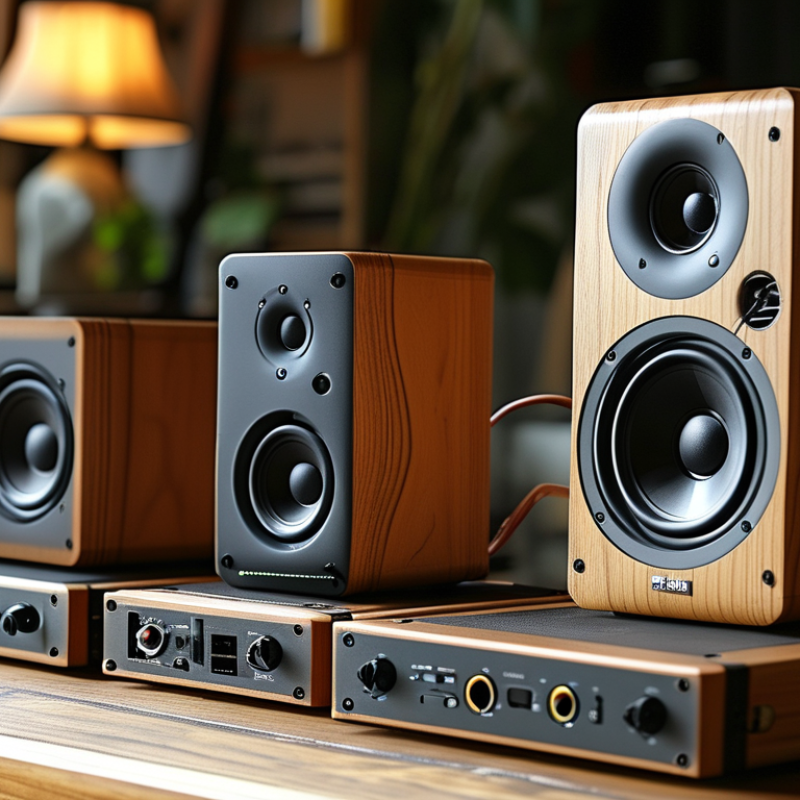
Active speaker modules play a vital role in delivering quality audio solutions for various settings.
Whether in a home studio, a classroom, or a public space, these devices provide amplified sound through built-in amplification.
Understanding their importance lies in recognizing how they enhance audio clarity and overall listening experience.
When selecting an active speaker module, consider the environment where it will be used.
Room size can dramatically affect sound quality.
A module that works well in a small room may overwhelm larger spaces.
It's crucial to assess not just the sound output, but also the type of connectivity you need.
Wireless options might offer convenience but can sometimes compromise audio fidelity.
Reflection on personal needs is essential.
Many users regret not considering future requirements when choosing audio equipment.
The right module should adapt to various scenarios, ensuring versatility.
Think about compatibility with other devices too.
A poor connection can lead to unsatisfactory performance.
Investing time in understanding these factors can lead to a more gratifying audio experience.
Key Features to Consider When Selecting an Active Speaker Module
When selecting an active speaker module, several key features must be considered to ensure the best choice for your needs.
Sound quality is paramount. Look for specifications in frequency response and power output. These elements greatly influence how music and speech are reproduced.
A good module should produce clear highs and deep lows. Understanding wattage is crucial—it determines how loud the speakers can get. You want a balance; too much power can cause distortion.
Connectivity options are also essential. Pay attention to the types of inputs available, such as USB, Bluetooth, or RCA. This affects compatibility with your devices.
Wireless options offer flexibility, but check for stable connections. Don't overlook the size and design. The speaker should fit your space while providing sufficient sound coverage.
Lastly, research user reviews to gauge reliability. Some modules may promise great features but fail in real-world usage. Reflect on your specific needs and prioritize accordingly. This can lead to better long-term satisfaction with your choice.
Assessing Your Sound Quality Needs and Preferences
When assessing sound quality needs, think about the environment where you'll use the active speaker module. A study by the Audio Engineering Society indicates that room acoustics can alter sound perception by up to 30%. Consider spaces like small home studios or larger venues. Smaller spaces may benefit from speakers with less bass response, while larger venues might require full-range speakers to fill the area effectively.
Personal preferences play a crucial role. Some users prefer a punchy bass, while others may prioritize clarity in mid-range frequencies. According to a report by Nielsen, 45% of consumers indicate that sound quality influences their purchasing decisions significantly. It’s not just about the numbers; your unique taste and audio habits are essential in making the right choice. Test different models if possible, and trust your ears. Remember, a perfectly balanced speaker for one person may sound inadequate to another. Be open to discovering your specific sound profile flexibly.
How to Choose the Best Active Speaker Module for Your Needs?
| Parameter |
Description |
Recommendation |
| Power Output |
The wattage rating that indicates loudness and clarity. |
Choose 50W - 150W for small to medium rooms. |
| Driver Size |
Size of the woofer and tweeter, affecting bass and treble response. |
6-8 inches for versatile sound across genres. |
| Connectivity Options |
Available inputs such as Bluetooth, RCA, XLR. |
Opt for Bluetooth and XLR for flexibility. |
| Frequency Response |
The range of frequencies produced. |
Look for 50 Hz - 20 kHz for full sound spectrum. |
| Portability |
Size and weight affecting ease of transport. |
Choose portable options for travel or mobile use. |
| Room Size Compatibility |
Best application based on the size of listening area. |
Match speaker size to room dimensions for optimal sound. |
Comparing Different Brands and Models of Active Speaker Modules
When choosing an active speaker module, comparing different brands and models is essential. Not all speaker modules are created equal. Some offer better sound quality, while others provide more features. It's crucial to understand your specific needs before diving into the options. Sound quality can vary dramatically between models. Look for specifications that indicate clarity and depth.
Consider the power output and size of the speakers. Larger modules may produce louder sounds but could lose clarity. Portability is also a factor for those who need speakers for events. Some brands may excel in portability while sacrificing sound fidelity. Pay attention to customer reviews for insights into real-world performance.
It's also worth noting that some options may not be as user-friendly. Complex setups can deter users looking for simplicity. If you're not tech-savvy, seek feedback on ease of use. Ultimately, your choice should balance sound quality, features, and usability. Applying this criterion can lead to better satisfaction with your purchase.
Comparison of Active Speaker Modules by Power Output and Frequency Response
Budget Considerations and Value for Money in Speaker Selection
When selecting an active speaker module,
budget plays a crucial role. Spending wisely ensures you receive quality sound without overspending.
Consider your specific needs first. Are you using it for casual listening, or do you need it for professional use?
This distinction affects your budget significantly.
Value for money is not just about low prices. A well-built speaker may seem expensive but offers durability and superior sound quality.
Look for features that align with your requirements. Pay attention to specifications such as frequency response
and power output. It’s often worth investing a bit more for long-lasting components.
Finding the right balance can be challenging. Some buyers prioritize the cheapest option and later regret their decision.
Others may overspend on features they do not use. Spend time researching, read reviews, and ask for opinions.
Understanding what truly makes for great sound can mean the difference between mediocre and exceptional audio experiences.