How to Choose the Right Piezo Amplifier for Your Applications?
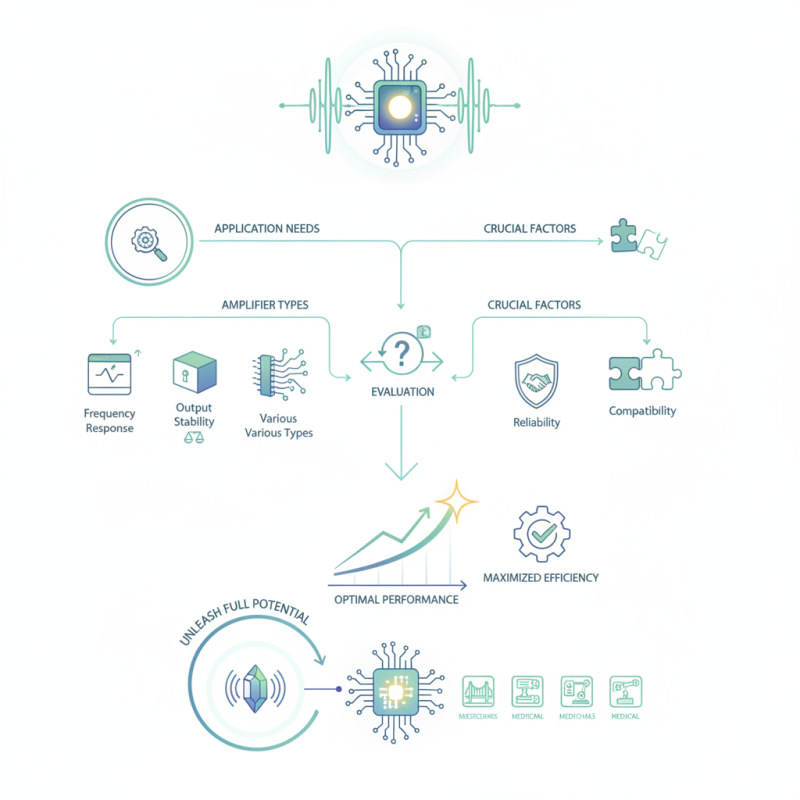
When selecting a Piezo Amplifier for specific applications, the choices can be overwhelming. Renowned expert Dr. Emily Carter once stated, "The right amplifier can unleash the full potential of your piezo devices." This highlights the significance of making informed decisions in this field.
Understanding the various types of Piezo Amplifiers is crucial. Each type has its strengths and limitations. For instance, some amplifiers may excel in frequency response but lack in output stability. It's essential to consider the specific needs of your application.
Choosing a Piezo Amplifier also requires attention to reliability and compatibility. Inconsistent performance can lead to project failures. Without the right amplifier, even the best piezo elements can underperform. By focusing on these details, you can maximize efficiency and ensure optimal results in your projects.
Understanding Piezo Amplifiers and Their Applications
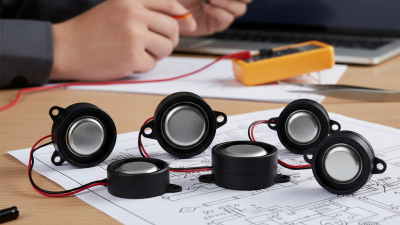
Piezo amplifiers play a critical role in many applications. They convert low-level signals from piezoelectric sensors into usable voltage levels. These components are essential in fields like robotics, aerospace, and biomedical engineering. An effective piezo amplifier can enhance sensor signals while minimizing noise, thus improving overall system performance. A recent report by the International Society for Measurement and Control notes that the demand for precise sensors has doubled in the last five years.
Understanding different applications for piezo amplifiers is crucial. In industrial settings, they help operate precision-machining tools and enhance feedback mechanisms. In medical devices, they detect minute changes in pressure or motion, aiding diagnosis. Some studies indicate that using advanced amplifiers can reduce signal distortion by up to 30%. However, not all applications require the highest amplification. Cost and complexity factors can sometimes lead engineers to overlook the optimal choices.
Selecting the right piezo amplifier requires a careful assessment of specific needs. Factors like gain, bandwidth, and input characteristics must align with the application. Even experienced engineers can grapple with these choices. It's easy to overestimate the required power levels or overlook essential specifications. Unintended consequences can manifest in unexpected signal issues. This makes continuous education and staying updated with technological advancements vital for professionals in this field.
Key Specifications to Consider When Selecting a Piezo Amplifier
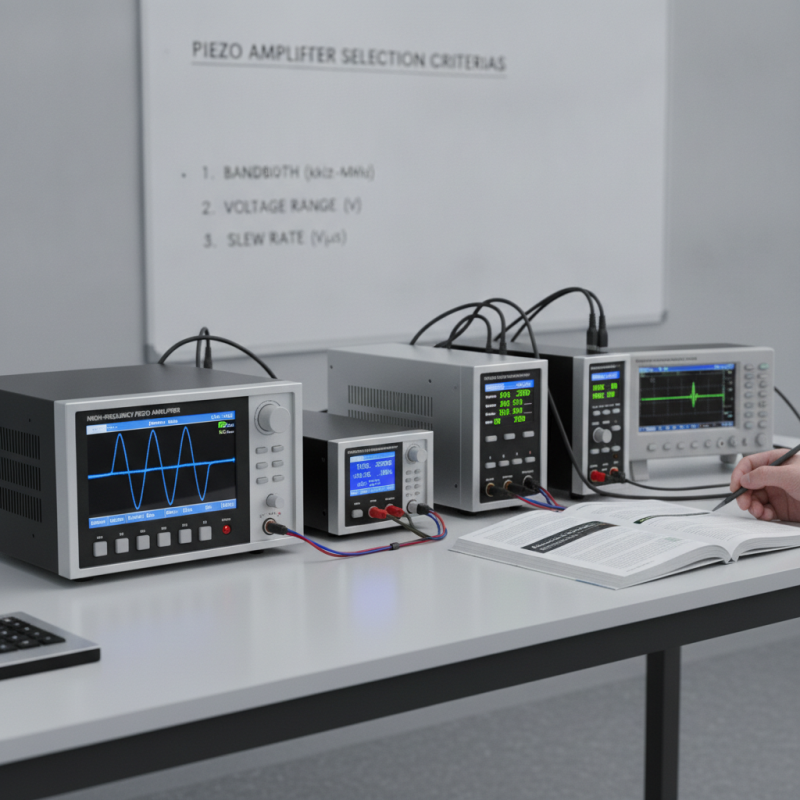
When selecting a piezo amplifier, key specifications are crucial for performance. One primary factor is the bandwidth, which typically ranges from a few kilohertz to several megahertz. According to a market report from Technavio, a bandwidth that aligns with your application needs can significantly affect the outcome. For instance, high-frequency applications require amplifiers with broader bandwidth. Ensuring your amplifier meets these requirements enhances signal fidelity.
Another important specification is the voltage range. Effective piezoelectric actuators often require specific drive voltages, generally between 0 to 200 volts. Not aligning with these ranges can lead to underperformance or damage. Reports indicate that approximately 30% of system failures in piezo applications stem from mismatched voltage specifications.
Gain and noise levels also play vital roles. Amplifiers often feature gain settings from 10 to 1000. A high gain could be beneficial, but excessive gain can introduce noise, affecting measurement accuracy. Industry studies suggest that maintaining a balance between gain and noise is crucial for optimal performance. Assessing these specifications not only requires experience but also knowledge of how they interact in real-world scenarios.
Types of Piezo Amplifiers and Their Advantages
Piezo amplifiers are essential in various applications, from industrial machinery to medical devices. Understanding the types available can help in selecting the right one. They are generally classified into two categories: linear and switch-mode piezo amplifiers. Linear amplifiers are known for their precise control and low noise, making them suitable for sensitive applications. They can deliver a stable output and maintain linearity over a range of operations. However, they may lack efficiency in power usage.
On the other hand, switch-mode piezo amplifiers offer higher efficiency. They can quickly switch on and off, providing power on demand. This feature is advantageous for applications that require rapid movement or changes. Nevertheless, the fast switching can introduce unwanted noise. This point requires careful consideration. Users must balance the speed and performance with noise levels. Evaluating specific application needs will help in making an informed decision.
In addition, power handling is critical when selecting an amplifier. Higher power handling allows for larger piezo devices but may increase complexity. A careful choice can prevent overheating and ensure the reliability of the system. Understanding these nuances is vital to avoid potential issues in the long run.
Comparison of Piezo Amplifier Types
This chart compares different types of piezo amplifiers based on their advantages. The scoring reflects their effectiveness and special features suitable for various applications.
Evaluating Performance Metrics for Your Specific Needs
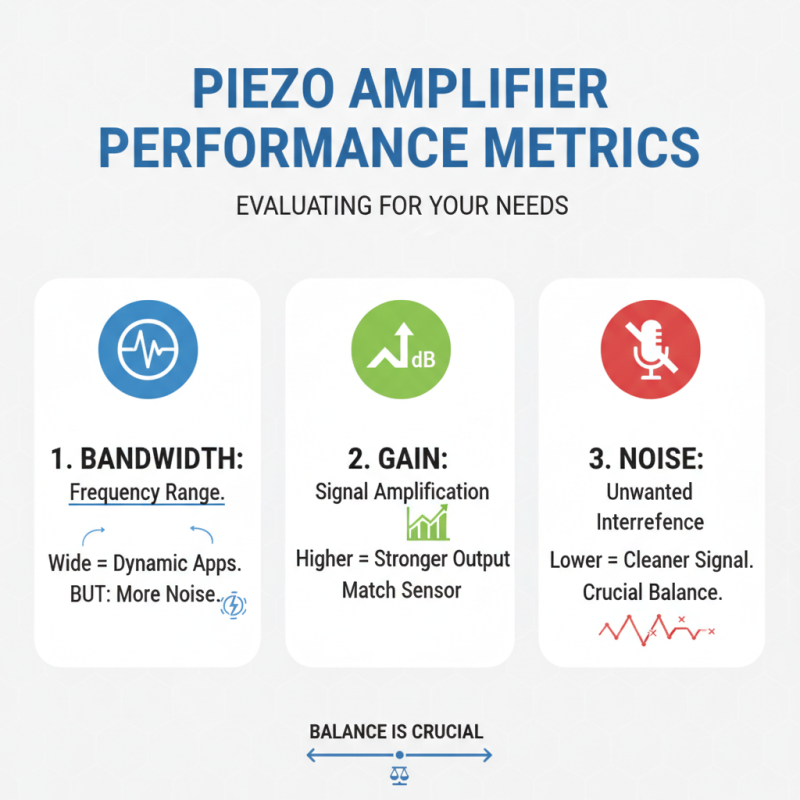
When evaluating piezo amplifiers, performance metrics stand out. Consider bandwidth, gain, and noise performance. Bandwidth indicates the frequency range an amplifier can handle. A wide bandwidth allows for accurate responses in dynamic applications. However, wider bandwidth might introduce unwanted noise. Balancing these factors is crucial.
Gain is another essential metric. High gain amplifies weak signals but can also amplify noise. Some applications require precise signal integrity. Always reflect on how much gain is truly necessary. Sometimes, a lower gain offers better overall performance without overwhelming the system.
Noise performance deserves equal attention. Lower noise levels lead to clearer signal processing. It's tempting to overlook this metric, but noise can mask important data. Assessing noise figures helps to determine feasibility in sensitive settings. Look for specifications that align with project goals, and ensure reliability in results.
Tips for Integrating Piezo Amplifiers into Your System Design
Integrating piezo amplifiers into your system design can significantly enhance performance. Their precision and responsiveness are essential for applications such as precision positioning and vibration control. According to industry reports, the global piezoelectric actuator market is projected to exceed $3 billion by 2026. This highlights the growing reliance on these devices across various sectors.
When selecting a piezo amplifier, consider the power requirements of your system. Different amplifiers cater to varying voltage and current needs. It's crucial to match these specifications closely to avoid underperformance or damage. Tip: Always review the amplifier's datasheet. This document provides insight into critical parameters like bandwidth and output impedance, which can impact overall system behavior.
Another important aspect is thermal management. Piezo amplifiers generate heat during operation, which can affect performance. Implement adequate cooling solutions to maintain optimal temperature. Tip: Incorporate heat sinks or active cooling methods. These can prolong amplifier life and maintain consistent performance. Addressing these factors early in the design process can lead to a more reliable system.
How to Choose the Right Piezo Amplifier for Your Applications?
| Parameter |
Value |
Notes |
| Output Voltage Range |
0 to 100 V |
Suitable for most piezoelectric applications |
| Bandwidth |
DC to 200 kHz |
Dependent on load impedance |
| Power Supply Voltage |
±15 V |
Common dual power supply configuration |
| Input Impedance |
1 MΩ |
Minimizes loading effects |
| Size |
Compact (3 x 5 x 1 inches) |
Easier integration into tight spaces |
| Operational Temperature |
-20°C to 70°C |
Suitable for indoor use |
| Applications |
Precision positioning, vibration control |
Commonly used in laboratory settings |