What is a Tiny Buzzer and How Does it Work?
A Tiny Buzzer is a compact electronic component that produces sound through vibrations. They are commonly used in various devices, from alarm systems to consumer electronics. Understanding how a Tiny Buzzer works can enhance your knowledge and applications of sound generation technology.
These buzzers can be found in many everyday products. They serve important functions, such as alerting users or providing feedback. The internal mechanisms of a Tiny Buzzer typically involve electromagnetic or piezoelectric principles. Despite their small size, they are capable of generating sound across a range of frequencies.
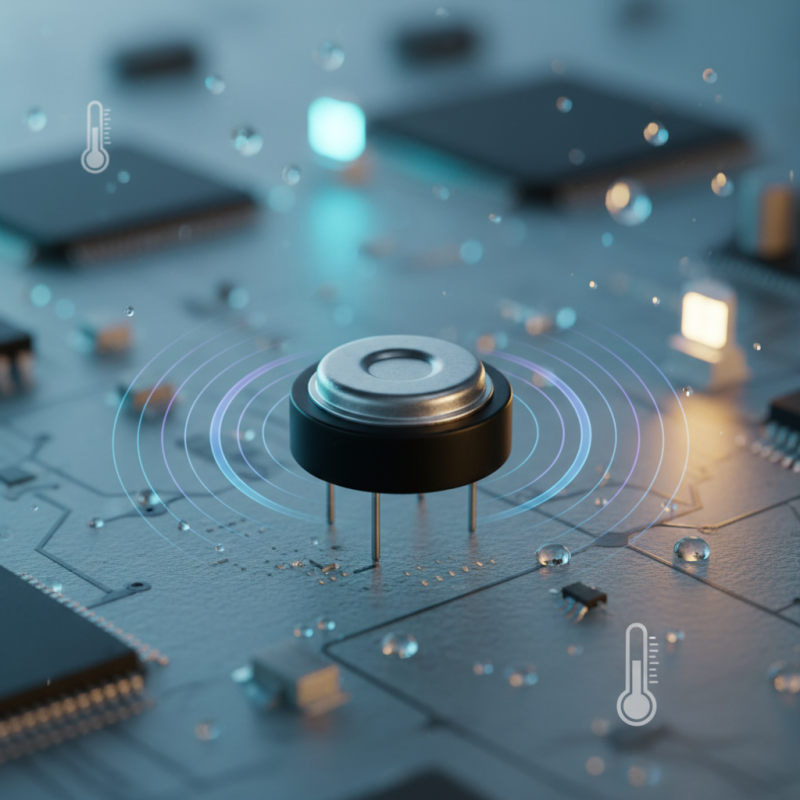
While Tiny Buzzers are reliable, their effectiveness can vary based on design and environment. Factors like humidity or temperature can impact performance. Exploring these nuances can help one appreciate the engineering behind such simple components. How we integrate them can lead to interesting challenges and discoveries.
What is a Tiny Buzzer?
Tiny buzzers are increasingly popular in various electronic applications. These small devices serve to generate sound through vibrations. Their compact size makes them ideal for gadgets where space is limited. Many industries utilize these components in alerts, notifications, and user interactions. According to a recent industry report, the global market for micro and tiny buzzers is projected to grow significantly, driven by innovations in consumer electronics and automotive sectors.
The functionality of a tiny buzzer comes from its ability to convert electrical energy into mechanical energy. When an electric current flows through the buzzer, it creates vibrations that produce sound. This mechanism allows the device to emit different tones and volumes based on the input signal. Understanding this process can enhance product designs in tech development.
Tips for using tiny buzzers effectively:
- Ensure the correct voltage is applied to avoid damaging the device.
- Experiment with different frequencies to achieve desired sound effects.
- Consider the buzzer's resonance frequency when designing enclosures for optimal sound projection.
These considerations can greatly improve the functionality and reliability of your electronic projects. Many engineers overlook these details, which can lead to unsatisfactory results.
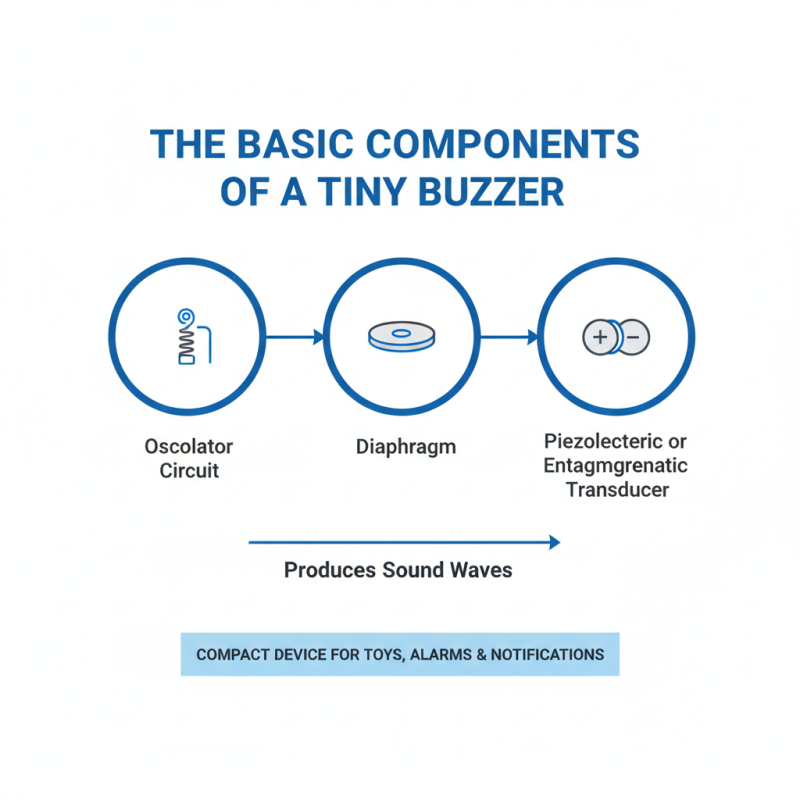
The Basic Components of a Tiny Buzzer
A tiny buzzer is a compact device that produces sound. These devices are often used in toys, alarms, and notifications. Understanding the basic components of a tiny buzzer helps us appreciate their functionality.
The primary component is the piezoelectric element. This element vibrates when an electrical current passes through it. This vibration creates sound waves. Encasing materials often surround this element. They can affect the sound quality and volume. According to industry reports, the market for buzzers is projected to grow by 5% annually. This highlights their increasing use across various sectors.
When working with tiny buzzers, consider the voltage and current specifications. Exceeding these can cause damage or malfunction. Also, choose an appropriate frequency range. Most applications require sounds between 1 kHz and 4 kHz.
Tips: Test the buzzer in different environments. Changes in humidity and temperature can alter performance. Use insulated materials to minimize interference from other devices.
How Tiny Buzzers Generate Sound
Tiny buzzers are compact devices that generate sound through mechanical vibrations. These vibrations occur when an electrical signal passes through a piezoelectric material. This material, often made of crystals, expands and contracts, producing sound waves. The sound generated usually falls within a specific frequency range. It is essential to consider the power consumption of these buzzers. Power efficiency impacts their application in various devices.
When designing devices that include tiny buzzers, engineers must focus on sound quality. Factors such as size and material choice can influence the clarity and volume of the produced sound. Different designs might yield distinct sound profiles. Thus, experimenting with the buzzer's shape and dimensions can lead to better performance.
In some situations, the sound level may not meet user expectations. This could stem from limitations in the buzzer’s design or the intended application. Seeking a balance between size and output is crucial. Ensuring that the buzzer meets the specific auditory requirements can pose a challenge. Engineers often need to revisit their designs to achieve desired results. Understanding these intricacies can lead to innovations in sound generation technology.
What is a Tiny Buzzer and How Does it Work? - How Tiny Buzzers Generate Sound
| Attribute |
Description |
| Size |
Typically ranges from 5mm to 20mm in diameter |
| Operating Voltage |
Commonly between 3V and 12V |
| Sound Output Level |
Can range from 70 to 100 dB at 10 cm |
| Frequency Range |
Often emits sound in the range of 2kHz to 4kHz |
| Type |
Can be passive or active |
| Applications |
Used in alarms, timers, and interactive devices |
| Connection Type |
Typically connects via solderable pins or wire leads |
| Durability |
Generally robust for various environments |
Common Applications of Tiny Buzzers
Tiny buzzers are small electromechanical devices that convert electrical energy into audible sound. Their compact size makes them ideal for various applications across industries. One prominent use is in consumer electronics, where they provide auditory feedback in devices such as remote controls and smartphones. A report by Market Research Future estimates that the global market for tiny buzzers will reach $3 billion by 2024, reflecting a growing demand for compact auditory signals in daily gadgets.
Another significant area for tiny buzzers is in healthcare devices. They serve as alerts in medical equipment, helping to notify patients and staff of critical conditions or changes. The healthcare technology market is projected to expand, especially with the increasing digitization of health services. However, the reliance on sound-based alerts raises questions about auditory fatigue among medical personnel. Balancing effective alert systems with user comfort is essential yet challenging.
For automotive applications, tiny buzzers enhance safety. They warn drivers of potential hazards through sound alerts. According to recent studies, sound warnings can significantly reduce accident rates. However, overusing sound alerts may lead to desensitization. Striking the right balance between warning systems and user experience remains a critical task for developers in this field.
Understanding the Electrical Specifications of Tiny Buzzers
Tiny buzzers, commonly used in various electronic devices, function as sound-generating components. They typically operate at low voltages, often between 3V to 12V. This low power specification makes them suitable for portable applications. A typical tiny buzzer consumes only a few milliwatts of power, ensuring energy efficiency.
The frequency range of tiny buzzers is essential for different applications. Most operate between 2kHz to 4kHz, producing distinct sound tones. This frequency range is crucial in personal electronics, alarms, and toys. According to a report by the International Electrotechnical Commission, tiny buzzers are vital in notifying users of alerts. Their effectiveness in delivering clear sound cues enhances user experience.
Tips: Consider the size and weight of buzzers in your design. Compact designs may require specialized mounting techniques. Always double-check specifications. Tiny variations can impact performance. Testing with multiple voltage levels can reveal unexpected behavior. Understanding these details ensures the best functionality of tiny buzzers in your projects.