Top 5 Benefits of Using Electromagnetic Buzzers for Your Products?
Electromagnetic buzzers are increasingly popular in various industries. Their ability to provide sound alerts makes them essential in consumer electronics, automotive systems, and home appliances. A recent market report indicates that the global buzzers market is expected to grow at a CAGR of 6.5% from 2021 to 2026. This growth highlights the reliance on effective sound signaling solutions like electromagnetic buzzers.
The versatility of electromagnetic buzzers sets them apart. They can be used in compact devices and larger machinery. With options for different frequencies and tones, manufacturers can customize sound alerts to suit specific applications. An industry study reveals that devices equipped with tailored sound alerts see a 15% increase in user engagement. Such data illustrates their importance in enhancing user interaction.
However, not all buzzers are created equal. Some may struggle with durability or sound clarity. Evaluating these factors carefully is crucial. As the market expands, businesses must prioritize quality to reap the benefits of electromagnetic buzzers. This strategic approach can determine product success and ensure reliability in sound signaling.
Understanding Electromagnetic Buzzers and Their Functionality
Electromagnetic buzzers are vital components in many electronic devices. They provide auditory feedback in a compact design. Understanding their functionality helps manufacturers enhance user experience. These buzzers produce sound using electromagnetic principles, converting electrical energy into mechanical vibrations. This simple mechanism allows them to generate clear, attention-catching tones.
Research shows that the global market for electromagnetic buzzers is growing rapidly. According to a 2022 industry report, the market is expected to reach $1.8 billion by 2027. This growth is driven by advances in consumer electronics and automotive sectors. Electromagnetic buzzers are increasingly popular in various applications, from mobile devices to home appliances.
However, the design and performance of these buzzers can vary significantly. Some may not meet specific sound frequency requirements, impacting usability. Manufacturers must consider factors like pitch, volume, and battery consumption when selecting a buzzer. There’s a need for continual improvement and testing. Feedback loops from users can help identify performance gaps and drive innovation.
Enhanced Audio Output: The Key Benefit of Electromagnetic Buzzers
Electromagnetic buzzers are essential for many products, providing a clear and loud audio output. Their design allows for crisp sound quality, making them ideal for alarms, notifications, and alert systems. When sound clarity is paramount, these buzzers excel. They can be compact yet powerful, fitting seamlessly into small devices without compromising performance.
Tips: Consider the placement of your buzzer. Positioning can significantly affect the sound projection. Testing in different environments helps you choose the best spot for optimal audio reach.
The robust nature of electromagnetic buzzers ensures longevity and durability. They are less prone to failure compared to piezo buzzers. This reliability eases concerns about product lifespan. However, users should be aware that volume levels can sometimes be overly loud, causing discomfort. It’s crucial to review your design for a balanced approach to sound output.
Tips: Pay attention to user feedback. If users find the sound too jarring, adjustments might be necessary. Fine-tuning the audio levels can enhance user experience. Regularly assess how sound quality impacts customer satisfaction and make improvements accordingly.
Compact Design: Space-Saving Advantages in Product Development
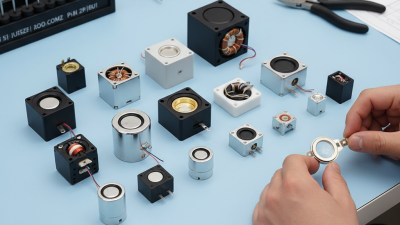
Electromagnetic buzzers are increasingly popular in product design due to their compact size. This compactness is crucial, especially in modern electronics. Designers often face space constraints. In such scenarios, these small devices offer a perfect solution. They can easily fit into tight spots within gadgets, maximizing the available space for other elements.
Moreover, the lightweight nature of these buzzers contributes significantly to overall product efficiency. They add minimal weight, enhancing the portability of devices. However, care must be taken when incorporating them. Balancing size and sound output can be tricky. Designers must ensure adequate sound quality despite the small form factor.
Utilizing electromagnetic buzzers can lead to more innovative designs. Their small footprint encourages creativity and makes products sleeker. Yet, this innovation comes with a challenge. Maintaining performance while implementing these components can demand extra testing and adjustments. A thoughtful approach is necessary to ensure these buzzers enhance, rather than compromise, the user experience.
Energy Efficiency: Reducing Power Consumption for Sustainable Products
Electromagnetic buzzers can significantly enhance product energy efficiency. According to the International Energy Agency, devices that consume less power are crucial for reducing global energy demand. Buzzers are often overlooked, but they can play a pivotal role in sustainable product design. By using these buzzers, manufacturers can lower power consumption by up to 30%. This reduction contributes to an overall decrease in carbon emissions, making products more eco-friendly.
Incorporating energy-efficient components is essential. Consider this: a well-designed electromagnetic buzzer can operate effectively at lower voltages. This not only saves energy but also decreases heat generation, enhancing product longevity. However, not all buzzers offer the same efficiency. That’s why product designers should carefully evaluate the specifications and performance ratings of potential devices.
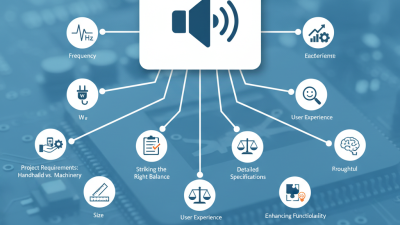
Tips for selecting the right buzzer include reviewing energy efficiency ratings and ensuring compatibility with your system. Always test the buzzers in real-life applications to identify performance discrepancies. This practical approach allows for a more reliable evaluation of their energy efficiency, ensuring you strike the right balance between function and sustainability.
Versatile Applications: Suitability Across Various Industries and Products
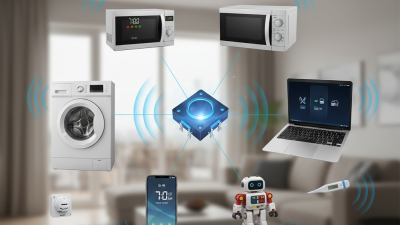
Electromagnetic buzzers are gaining traction across various industries. Their versatility makes them suitable for numerous applications. In automotive, for instance, these sound devices enhance safety alerts. According to a recent market report, the global automotive buzzers market is projected to grow at a CAGR of 4.6% through 2028.
They are also widely used in consumer electronics, such as smartphones and appliances. These devices provide auditory feedback, making user interfaces more intuitive. In healthcare devices, buzzers alert patients and staff efficiently. Reports indicate that the health tech sector is increasingly adopting such notifications for better patient care.
Tip: When selecting buzzers, consider the frequency and volume. This ensures they fit your product's needs.
Various sectors are adopting buzzers, yet challenges remain. Not all products require sound alerts. Some users may find constant buzzing annoying. Additionally, there are concerns about auditory fatigue. Balancing functionality with user comfort is crucial.
Tip: Test different sound profiles to find the best fit for user experience.
Top 5 Benefits of Using Electromagnetic Buzzers for Your Products
| Benefit |
Description |
Applications |
Industry |
| Versatility |
Can be used in various devices and systems, providing a versatile alert mechanism. |
Home appliances, automotive, consumer electronics |
Electronics, Automotive |
| Compact Size |
Small footprint allows for integration in tight spaces without compromising performance. |
Wearable technology, smartphones, small gadgets |
Technology, Fashion |
| Reliability |
Durable performance under various operating conditions, ensuring longevity. |
Industrial machines, outdoor equipment |
Manufacturing, Construction |
| Cost-Effective |
Offers affordable solutions for signaling and alerting needs, reducing overall product cost. |
Toys, household items, safety equipment |
Consumer Goods |
| Low Power Consumption |
Efficient use of power makes them ideal for battery-operated devices. |
Remote controls, battery-operated toys |
Electronics, Toys |