Top Diy Piezo Buzzer Suppliers for Your Projects?
In the rapidly evolving world of DIY electronics, the "DIY Piezo Buzzer" stands out as a versatile component for enthusiasts and professionals alike. Renowned expert in electronic sound devices, Dr. Emily Carter, highlights, "The DIY Piezo Buzzer is a powerful tool for creativity and innovation." Many projects utilize this component, ranging from simple sound alerts to complex musical synthesizers.
Crafting projects with a DIY piezo buzzer can be both rewarding and challenging. Each supplier brings unique offerings that cater to various needs. Some buzzers deliver clearer sound, while others focus on compact designs. The choice of supplier can significantly impact the quality and success of a project.
However, not all buzzers perform equally in real-world applications. Testing different models can often lead to unforeseen issues, such as distortion or inconsistent volume levels. This unpredictability encourages makers to experiment and refine their approaches. Moreover, sourcing the right components from reliable suppliers is crucial for achieving the desired outcome.
Overview of Piezo Buzzers and Their Applications
Piezo buzzers are compact audio signaling devices widely used in various industries. They convert electrical energy into sound energy using the piezoelectric effect. This principle is beneficial for numerous applications, including alarms, timers, and notification systems. According to a market report by Grand View Research, the piezo buzzer market is projected to grow at a CAGR of 4.1% from 2021 to 2028. This growth reflects the increasing demand in consumer electronics and automotive sectors.
Incorporating piezo buzzers into projects can enhance user interactivity. They are appreciated for their low power consumption and compact size. However, selecting the right buzzer requires careful consideration. The frequency range and sound pressure level are crucial parameters. These factors affect the clarity and volume of the sound produced. Not everyone may have the technical expertise to evaluate these specifications effectively.
Tip: Always test the buzzer in your project setup before finalizing your design. This will help ensure the buzzer meets your sound and frequency requirements. Keeping wiring neat can also improve sound quality. Remember, the integration of technology should be meticulous as overlooking small details can lead to unsatisfactory results.
Criteria for Selecting the Best Piezo Buzzer Suppliers
When selecting piezo buzzer suppliers, various criteria come into play. Quality assurance is critical. A reliable supplier should provide products that meet industry standards, ensuring durability and effectiveness. According to a 2022 market analysis, high-quality buzzers enhance performance in various applications, such as alarms and devices.
Cost-effectiveness is another key factor. Suppliers offering competitive pricing without compromising quality are often preferred. A study in 2021 indicated that businesses saved up to 30% by choosing the right suppliers. However, this requires thorough market research. It's essential to weigh the balance between cost and quality.
Technical support is invaluable. Suppliers that offer expertise can help troubleshoot issues and guide product selection. A report from an electronics trade organization emphasized the importance of support in reducing project delays. However, not all suppliers provide adequate assistance. Evaluating customer reviews can provide insight into this aspect.
Top Recommended Piezo Buzzer Suppliers in the Market
When embarking on DIY projects involving sound and signaling, selecting the right piezo buzzer supplier is crucial. Many suppliers offer a variety of options, catering to different needs and budgets. Look for suppliers who provide detailed specifications. This will help you better match the buzzers to your project's requirements.
Consider performance metrics like frequency range and sound output. These factors can significantly impact your project. Review user feedback on supplier sites to gauge reliability. A good piezo buzzer can create clear tones. A subpar option may fall flat, literally and figuratively.
Tips: Always compare prices between suppliers. Sometimes, the best value comes from lesser-known sellers. Don’t rush your decision; an impulse buy can lead to frustration later. Evaluate your long-term project goals. This reflection can guide you towards a more suitable product.
Comparative Analysis of Pricing and Quality Among Suppliers
When selecting piezo buzzers for your projects, understanding the balance between pricing and quality is essential. Different suppliers offer various models with distinct features. Lower prices can indicate compromised quality. Higher-priced options may showcase better durability and sound performance.
One of the key factors is the material used in construction. Quality buzzers often utilize robust materials, ensuring longevity. Check the specifications to see if they align with your project's needs. Beware of suppliers that lack transparency in their sourcing or manufacturing processes. Always investigate their reputation through user reviews.
Tips: Compare several suppliers online. This helps you gauge market standards. Look for detailed customer feedback. Real-world insights often reveal performance issues that specs may obscure. Ensure the supplier understands industry standards, which can be a strength or weakness.
Finally, always ask for samples. Testing products beforehand is crucial. It enables you to assess sound clarity and the buzzer's responsiveness. Trust your intuition if something feels off. Gathering all this information can be a daunting task, but it is vital for your project's success.
Tips for Working with Piezo Buzzers in DIY Projects
Working with piezo buzzers can be both fun and challenging. These tiny devices produce sounds when an electric current passes through them. They are popular in DIY projects, but certain tips can help you achieve better results.
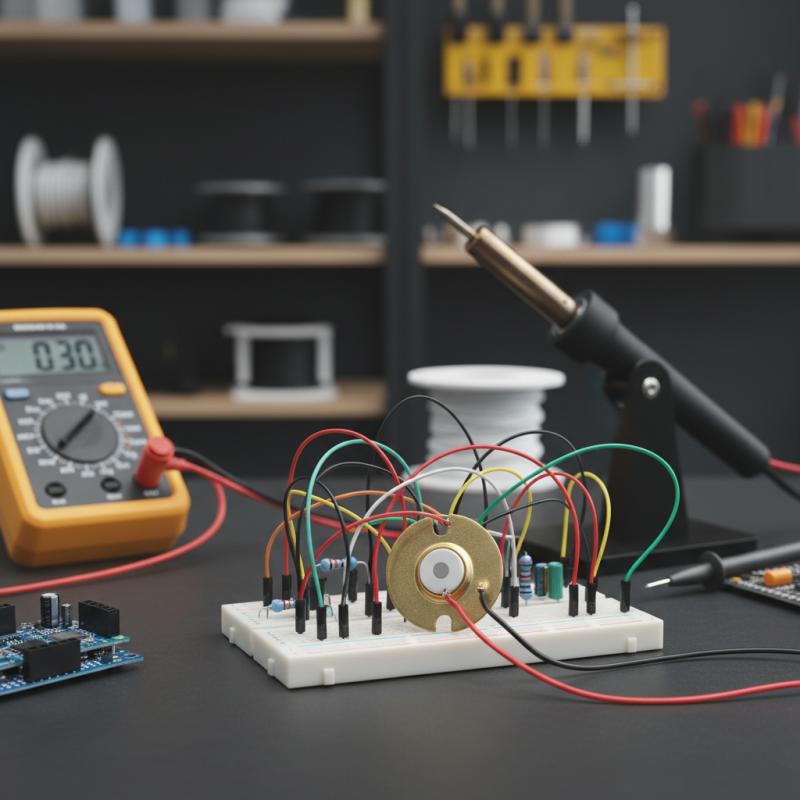
First, always test your piezo buzzer before finalizing your design. A simple circuit setup will help you gauge its sound quality. You may discover that some buzzers sound different than expected. This variation may affect how they fit in your project. Use a simple signal generator to explore different frequencies. This can lead to creative sound effects.
Placement is critical. Mounting buzzers can impact their sound projection. Experimenting with different positions may help you find the optimal spot. Ensure they are securely attached to avoid rattling or distortion. Remember, not every method will work. It may take several attempts to achieve the desired sound.
Lastly, consider power requirements carefully. Overloading a buzzer can lead to failure. Using a resistor can limit the current and protect your component. This precaution can extend the life of your device. Finding a balance is key in DIY electronics. Mistakes are part of the learning process, so embrace them as you progress.