What are the Benefits of Using Piezo Diaphragm in Industries?
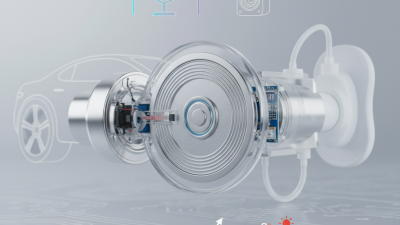
The adoption of Piezo Diaphragm technology is reshaping various industries. Reports show that the global piezoelectric device market is projected to reach $35 billion by 2026. This growth is driven by continuous advancements in electronic applications and automation. Piezo Diaphragms play a critical role in applications such as sensors and actuators. Their ability to convert electrical signals into mechanical movement enhances efficiency in diverse sectors.
Dr. Emily Tran, a leading expert in piezoelectric materials, states, "The Piezo Diaphragm is transforming how industries approach precision and control." This reflects a growing recognition of the technology's importance in manufacturing and automotive sectors. Piezo Diaphragms offer precision at lower power consumption levels when compared to traditional mechanisms. However, businesses must address the challenges of integration into existing systems.
Despite its benefits, the industry faces obstacles. Not all applications have recognized the potential of Piezo Diaphragms. Some companies struggle with the high initial costs. Still, the long-term benefits often outweigh these concerns. A comprehensive understanding of this technology can lead to strategic advantages. By leveraging Piezo Diaphragm technology, industries can significantly enhance performance and sustainability.
Advantages of Piezo Diaphragms in Industrial Applications
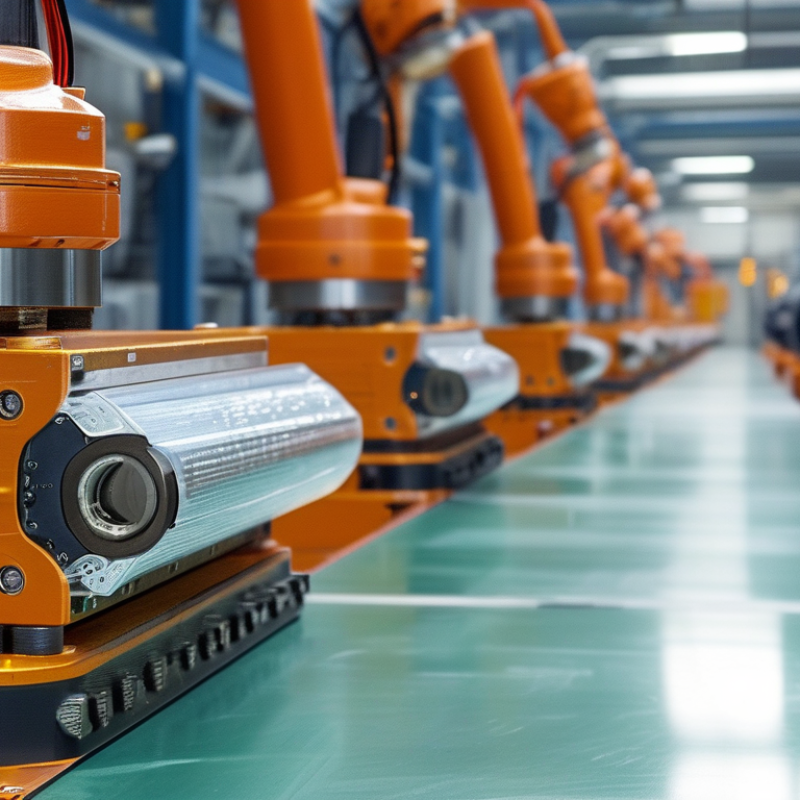
Piezo diaphragms have become essential in various industrial applications due to their unique properties. These components utilize piezoelectric materials, which generate electrical charges when mechanically stressed. This feature allows them to convert mechanical energy into electrical signals efficiently. Reports indicate that the global piezoelectric device market is set to reach over $30 billion by 2026. Industries recognize this trend for better sensor and actuator technologies.
One critical advantage of piezo diaphragms is their precision. They can achieve almost instantaneous response times, crucial in fields like robotics and aerospace. A study found that piezo-based sensors can operate with an accuracy rate exceeding 95%. This precision offers improved performance, reducing errors in high-stakes environments. However, reliance on these devices raises questions about their long-term durability under extreme conditions. Resistance to fatigue and environmental factors is a concern.
Additionally, piezo diaphragms are lightweight and compact, making them ideal for applications where space is limited. They are often preferred in medical devices and portable equipment. However, the cost of production can be higher than traditional materials. Understanding the trade-offs between cost and efficiency is essential. Companies must weigh the benefits against potential challenges to maximize their effectiveness in industrial processes.
Enhanced Sensitivity and Precision in Measurements
The piezo diaphragm has become a vital component in various industrial applications. Its ability to convert mechanical pressure into electrical signals enhances sensitivity and precision significantly. This feature allows for accurate measurements in environments where traditional sensors may struggle. For instance, in the medical field, these diaphragms can detect minute changes in pressure, which is crucial for monitoring patient health.
Furthermore, the lightweight and compact design of piezo diaphragms increases their versatility. They can be integrated into different devices without affecting their ergonomics. Despite their advantages, there's a learning curve involved in their implementation. Some users may encounter challenges in calibrating these sensors effectively.
In industries like aerospace and automotive, the need for precise measurements is critical. Here, piezo diaphragms excel, capturing rapid changes with high fidelity. However, occasional noise and inaccuracies can arise under extreme conditions. This requires continuous refinement and testing to ensure reliability. Overall, while piezo diaphragms offer enhanced sensitivity, the process of maximizing their potential often demands careful consideration.
Durability and Longevity in Harsh Environments
In harsh industrial environments, durability is paramount. Piezo diaphragms are engineered to thrive under extreme conditions. According to recent industry reports, these components can withstand temperatures ranging from -40°C to 130°C. This wide temperature range ensures that they remain operational in various settings, from cryogenic applications to high-heat processes.
Moreover, piezoelectric materials boast excellent resistance to moisture, dust, and aggressive chemicals. They can endure environments that would typically degrade other materials. In a study conducted by the Material Research Society, piezo diaphragms showed a failure rate of less than 5% after prolonged exposure to such conditions, demonstrating remarkable longevity. This resilience contributes to reduced downtime. When equipment operates reliably, it enhances productivity and lowers maintenance costs.
Despite these advantages, some engineers suggest a cautious approach. While piezo diaphragms are reliable, their performance can vary based on specific application parameters. An expert article noted instances where improperly calibrated diaphragms led to unexpected failures. This highlights the importance of proper installation and regular assessments to fully leverage their benefits. Careful consideration in selection and usage can maximize the effectiveness of piezo diaphragms in even the toughest industrial scenarios.
Versatility Across Various Industries
Piezo diaphragms are gaining traction in a variety of industries due to their adaptability. In medical devices, they serve crucial roles. For instance, they enable precise control in ultrasonic imaging systems. This technology enhances diagnostic accuracy, making it invaluable in healthcare.
In the automotive sector, piezo diaphragms contribute to fuel injection systems. Their quick response time improves engine performance. However, achieving perfect optimization can be challenging. Manufacturers must conduct ongoing tests to ensure reliability under varying conditions.
The versatility extends to consumer electronics as well. Piezo diaphragms power tiny speakers and haptic feedback mechanisms. This creates a more engaging user experience. Yet, not all applications yield consistent quality. Regular assessments are essential to overcome performance inconsistencies. Exploring this technology's boundaries remains an ongoing journey for innovators in numerous fields.
Cost Efficiency and Energy Savings in Operations
The piezo diaphragm is gaining popularity in various industries due to its cost efficiency and energy-saving capabilities. Many companies are seeking ways to reduce operational costs. Implementing piezo technology can lower energy consumption significantly. Compared to traditional methods, piezo diaphragms operate with fewer resources and less maintenance.
Tips: Consider the long-term savings when choosing your technology. Analyze how much energy your current systems consume. This analysis will provide a clearer picture of potential savings.
Beyond just energy savings, piezo diaphragms contribute to process efficiency. They adapt quickly to changing conditions. This flexibility allows industries to meet fluctuating demands without significant expenditure. However, not all applications may benefit equally. Testing and evaluating is crucial before full implementation.
Tips: When experimenting with piezo diaphragms, document your findings closely. This data can guide future decisions and improve understanding of efficiency gains. Always look for areas of improvement, even if initial results seem positive.