High Pressure Sensors Buying Tips for Global Procurement Experts?
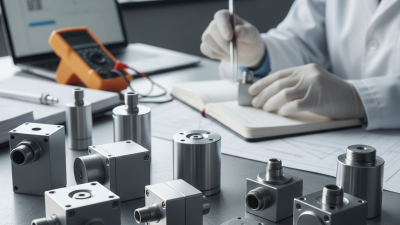
High Pressure Sensors play a critical role in various industries, from manufacturing to aerospace. These sensors help monitor and control processes effectively, ensuring safety and efficiency. However, selecting the right high pressure sensors can be challenging for global procurement experts. With so many options available, making informed decisions is crucial.
Expertise in high pressure sensors is essential. Understanding their specifications and performance factors can greatly impact operational success. Many procurement professionals overlook important details, sometimes leading to costly mistakes. A focus on quality and reliability will yield better long-term results.
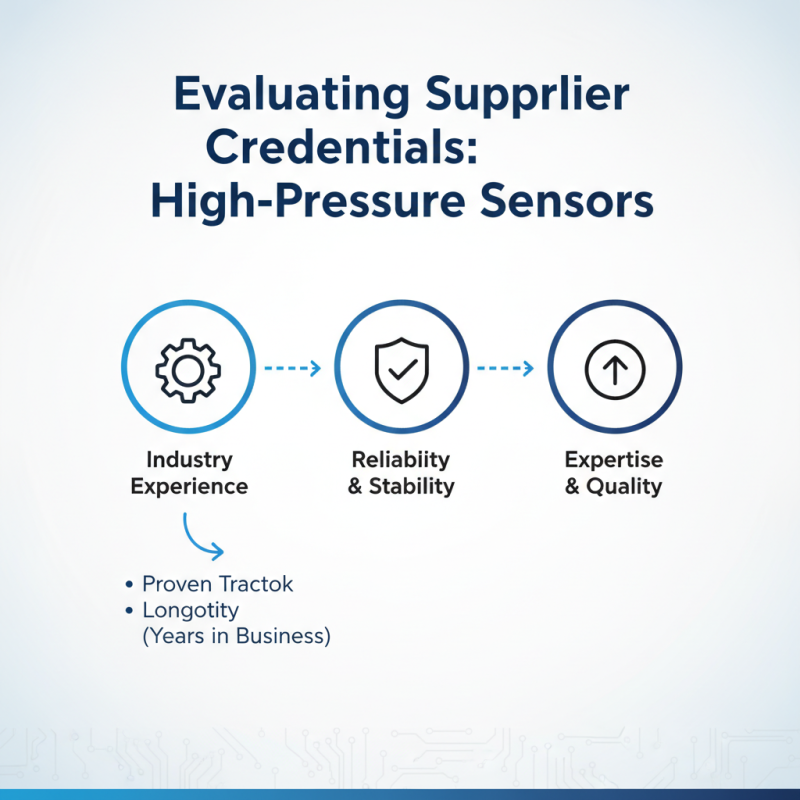
Choosing the right supplier is equally vital. Not all manufacturers offer the same level of precision and quality. It’s beneficial to assess credentials and previous customer feedback. This ensures that you select a provider known for their competence in high pressure sensors. Remember, an informed choice can prevent potential setbacks in your procurement strategy.

Understanding High Pressure Sensors: Types and Applications
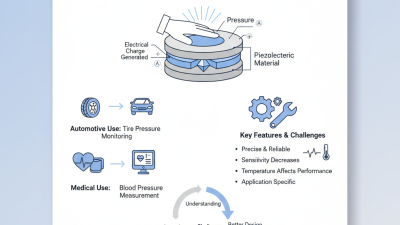
High pressure sensors play a crucial role across various industries. These devices are essential for monitoring and controlling high-pressure environments. Applications span oil and gas, aerospace, and automotive sectors. According to a recent report by Grand View Research, the global pressure sensor market is expected to reach $7.23 billion by 2025. This growth underscores the demand for reliable high pressure sensors.
Different sensor types include piezoresistive, capacitive, and optical sensors. Piezoresistive sensors are known for their accuracy in measuring pressure changes. Capacitive sensors offer high sensitivity and stability, making them suitable for harsh environments. Optical sensors, while less common, are gaining attention for their immunity to electromagnetic interference. Despite their advantages, each type has limitations that experts must evaluate during procurement.
Choosing the right high pressure sensor requires a thorough understanding of the application. Factors like pressure range, temperature tolerance, and medium compatibility can significantly impact performance. The increasing complexity of industrial processes necessitates careful consideration. It's crucial to compile comprehensive data on sensor specifications and potential failure modes. Such diligence ensures that procurement experts make informed decisions trained in real-world applications and industry standards.
Key Specifications to Consider in High Pressure Sensors
When selecting high pressure sensors, several key specifications should be prioritized. First, consider the pressure range. Different applications require specific ranges. Identify the minimum and maximum pressures relevant to your processes. This ensures the sensor can accurately measure without damage.
Next, look into the sensor's accuracy and precision. High accuracy is crucial for reliable data. Research the tolerance levels of potential sensors. Understand how variations may impact your operations. Calibration is also essential here. Regular checks should be part of your maintenance routine.
Another important specification is the output signal type. Different sensors provide various output signals. Determine whether you need analog or digital signals. This choice affects how the data integrates into your existing systems. Evaluate other environmental factors, too. Temperature, humidity, and vibration can alter sensor performance. Ensure the chosen sensor can withstand your operational conditions for optimal reliability.
High Pressure Sensors Buying Tips for Global Procurement Experts - Key Specifications to Consider in High Pressure Sensors
| Specification |
Description |
Importance |
| Pressure Range |
The range of pressure levels the sensor can accurately measure. |
Critical for ensuring the sensor meets application needs. |
| Accuracy |
The degree to which the sensor's reading reflects the true pressure. |
Essential for applications requiring precise pressure measurements. |
| Operating Temperature |
The temperature range within which the sensor operates effectively. |
Important for applications in extreme environments. |
| Output Signal |
Type of signal generated by the sensor (e.g., analog, digital). |
Determines compatibility with other systems. |
| Size |
Physical dimensions of the sensor. |
Relevant for installation constraints. |
| Material Compatibility |
Materials used in sensor construction and their interaction with substances. |
Critical for preventing chemical reactions and degradation. |
Cost Considerations and Budgeting for Global Procurement
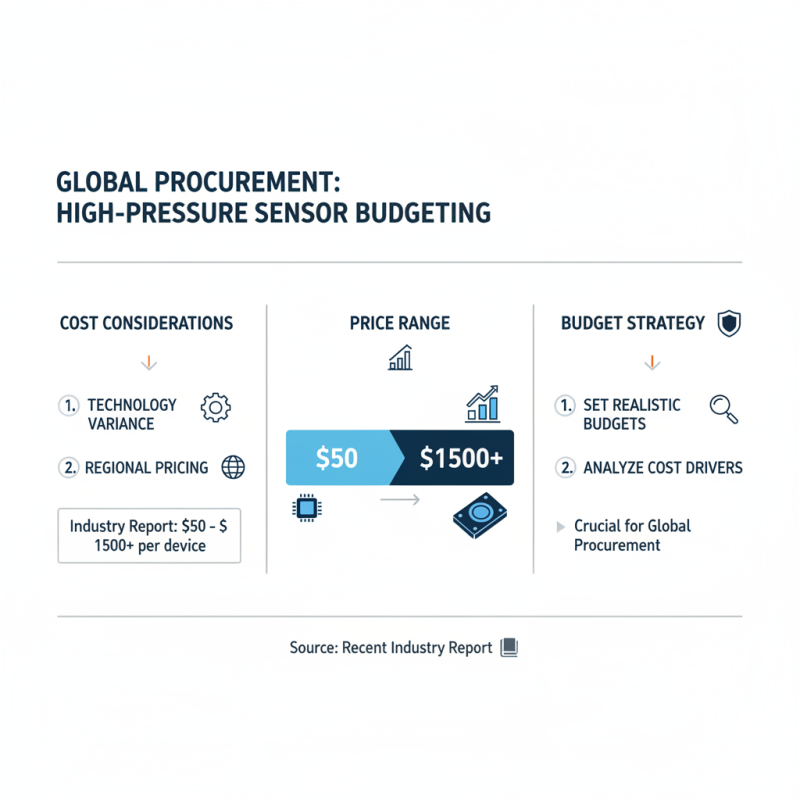
When considering high-pressure sensors, budget planning is crucial for global procurement. According to a recent industry report, cost variances in sensor technology can be significant, with some devices priced as low as $50 and others exceeding $1,500. Understanding these cost drivers helps companies set realistic budgets.
Quality and reliability should not be sacrificed for price. Research from industry experts indicates that quality sensors can reduce maintenance costs by up to 30%. Additionally, procurement experts must assess the total cost of ownership, including installation and long-term operation expenses. Inadequate budgeting can lead to unexpected financial burdens.
Price fluctuations are common, driven by market demand and technological advancements. Failure to monitor these trends can diminish procurement effectiveness. It's imperative for experts to regularly consult market analyses and supplier reports to remain informed. This data is invaluable in making sound decisions that align with organizational budgets while ensuring sensor performance meets operational standards.
Best Practices for Quality Assurance in High Pressure Sensor Procurement
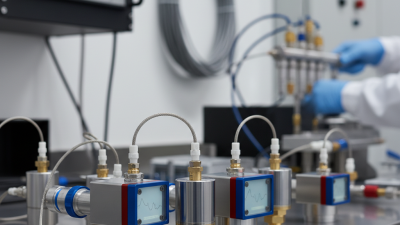
In high-pressure sensor procurement, ensuring quality is paramount. A recent industry report highlighted that about 30% of sensor failures stem from manufacturing defects. Hence, a robust quality assurance process can mitigate such issues significantly. Experts recommend rigorous testing methods including pressure cycling and temperature variation to validate sensor reliability.
When assessing suppliers, look for those with ISO 9001 certification. This certification indicates a commitment to quality management systems. It often translates to fewer defects and higher customer satisfaction. Additionally, verify the supplier's track record in your specific application area. Experience matters in high-pressure environments, where tolerances are critical.
Tip: Always request detailed documentation for materials used in sensor construction. This can reveal potential weaknesses in performance.
Organizations should also invest in continuous training for their procurement teams. Understanding the latest technologies remains crucial. The market for high-pressure sensors is evolving, especially with advancements in materials and manufacturing techniques. An informed team can better assess vendor reliability and product capabilities.
High Pressure Sensor Quality Assurance Metrics