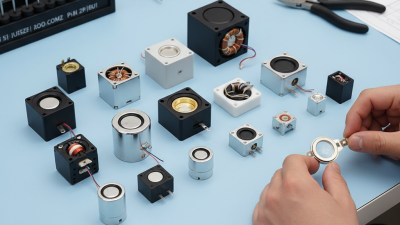
10 Best Electro Magnetic Buzzers for Your Projects?
In the world of electronics, selecting the right components is crucial for project success. One essential component is the Electro Magnetic Buzzer. These devices are widely used in alarms, timers, and notification systems. Their ability to produce clear sounds makes them a popular choice among hobbyists and engineers alike.
When choosing an Electro Magnetic Buzzer, consider factors like size, sound intensity, and operating voltage. Each project has unique requirements, and not every buzzer will suit your needs. Some buzzers might lack the decibel levels you desire, while others may not fit your space constraints. Testing different models can be time-consuming but insightful.
Mistakes can happen when selecting a buzzer. Sometimes, you might pick a model that looks great, only to find it's too loud for your project. Reflection on these choices is vital. Understanding the strengths and weaknesses of each buzzer will lead to better decisions in future projects. The right Electro Magnetic Buzzer can elevate your work, enhancing its effectiveness and reliability.
Top Features to Consider When Choosing Electro Magnetic Buzzers
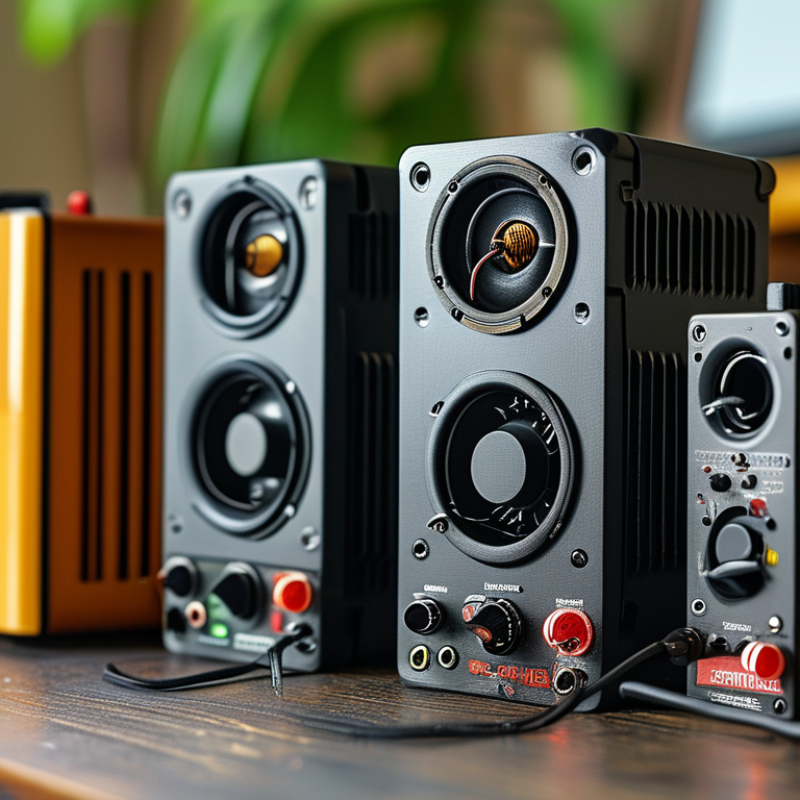
When choosing electro magnetic buzzers for your projects, several features should be considered. First, the operating voltage is crucial. Buzzers typically operate within specific voltage ranges. Ensure your power supply matches the buzzer's requirements to avoid damage.
Sound output is another key factor. Look for the decibel rating, which indicates loudness. A higher rating means a louder sound. This is especially important in noisy environments. Additionally, consider the frequency range. Different applications may require different sound tones, so choose a buzzer that meets your needs.
Size and form factor should not be overlooked. Electro magnetic buzzers come in various shapes and sizes. Ensure the buzzer fits your project's design and space constraints. Finally, take note of the installation method. Some buzzers are easier to mount than others. Evaluate your assembly process when selecting components for a smooth integration.
Top 10 Electro Magnetic Buzzers Features Comparison
This bar chart compares the volume levels of the top 10 electro magnetic buzzers. Each buzzer is rated in decibels (dB), showcasing the sound output for a variety of projects. Selecting a buzzer with an appropriate volume level is essential for ensuring optimal performance in different applications.
Types of Electro Magnetic Buzzers and Their Applications
Electro magnetic buzzers are versatile components used in various applications. They convert electrical energy into sound, making them essential in alarms, indicators, and alerts. These devices typically come in two main types: piezoelectric and electromagnetic buzzers. Each type has unique characteristics that suit different applications.
Piezoelectric buzzers are known for their compact size and high efficiency. They work by using a piezoelectric element to generate sound when voltage is applied. These buzzers are ideal for simple alert systems, like doorbells or home appliances. On the other hand, electromagnetic buzzers produce sound using a diaphragm driven by an electromagnetic coil. They are often favored for their louder output, making them suitable for alarms and emergency signals.
Considering the intended application is crucial. Some projects may require a continuous sound, while others might need intermittent buzzing. Testing different models can lead to a better fit for specific needs. The choice between types also involves understanding the required frequency range. Knowledge about their specifications can significantly impact project outcomes.
Comparative Analysis of the 10 Best Electro Magnetic Buzzers
When it comes to selecting the best electromagnetic buzzers, making an informed choice is crucial. A comparative analysis of top models reveals significant differences in sound output, response time, and power consumption. A recent report from the Institute of Electronics Engineers showed that the efficiency of buzzers can vary nearly 30%. This variability affects project performance and user satisfaction.
When choosing a buzzer, consider its frequency range. Some buzzers operate at higher frequencies, offering louder outputs. Low-frequency buzzers, however, provide a more subtle sound. It's essential to test different models to understand their unique characteristics. Each buzzer type serves specific applications.
**Tip:** Always check the specifications. Look for buzzers with low power requirements for battery-operated projects.
Moreover, not all buzzers are suitable for every project. Environmental factors, such as moisture and temperature, can impact their performance. The durability of materials is another consideration that shouldn't be overlooked. Certain buzzers may degrade faster in harsh conditions.
**Tip:** Conduct real-world tests before finalizing your buzzer choice. Even subtle differences can lead to significant performance impacts.
10 Best Electro Magnetic Buzzers for Your Projects
| Model |
Frequency (kHz) |
Voltage (V) |
Sound Level (dB) |
Dimensions (mm) |
Weight (g) |
Application |
| Model A |
2.5 |
5 |
85 |
20 x 20 x 10 |
15 |
DIY Alarms |
| Model B |
3.0 |
12 |
90 |
25 x 25 x 12 |
20 |
Toys |
| Model C |
2.0 |
9 |
80 |
30 x 30 x 10 |
25 |
Indicators |
| Model D |
2.8 |
6 |
88 |
22 x 22 x 15 |
18 |
Alarm Systems |
| Model E |
1.5 |
3 |
75 |
30 x 10 x 10 |
10 |
Indicators |
| Model F |
3.2 |
12 |
92 |
35 x 35 x 15 |
30 |
Emergency Alerts |
| Model G |
1.8 |
9 |
70 |
40 x 40 x 10 |
12 |
Notifications |
| Model H |
3.5 |
15 |
95 |
28 x 28 x 15 |
35 |
Security Systems |
| Model I |
2.2 |
6 |
85 |
24 x 24 x 12 |
20 |
Home Automation |
| Model J |
2.9 |
12 |
91 |
32 x 32 x 14 |
28 |
Sound Alerts |
Installation Tips for Electro Magnetic Buzzers in Projects
When working with electro magnetic buzzers, installation is crucial for their effectiveness. Start by ensuring a secure connection with the power source. Use appropriate wiring to avoid any short circuits. Consider using connectors that are easy to grip and secure. This can prevent unwanted disconnections during usage. Always test connections before final assembly. A simple mistake can lead to malfunction.
Placement matters too. Locate the buzzer where sound travels well. Avoid corners and enclosed spaces that may muffle the sound. Experiment with different positions to find the best fit for your project. Keep in mind that buzzers are not all the same. Consider their specifications carefully. Sometimes, a buzzer may not fit a given design or space.
Additionally, don’t overlook sound absorption materials. Adding some around your buzzer can enhance its effectiveness. However, balance is key. Too much material can dampen the sound. Installing a buzzer is as much an art as it is a science. Take your time to reflect on your setup. What works for one project may not work for another.
Maintenance and Troubleshooting for Optimal Performance of Buzzers
Electromagnetic buzzers are essential components in various projects, but they require proper maintenance for optimal performance. Regularly check connections and ensure they are free from dirt or corrosion. A clean, secure connection promotes reliable function. Dust can accumulate quickly, impacting sound quality. Consider using compressed air to blow away debris.
Troubleshooting common issues is critical. If a buzzer is silent, first verify its power source. A weak battery or power supply can affect performance. If the connections are secure and power is sufficient, the buzzer may be faulty. Testing with a multimeter can reveal whether the buzzer operates correctly.
Finally, don’t overlook the importance of environmental factors. Humidity and temperature fluctuations can impact buzzer functionality. Shielding components from moisture can extend their lifespan. Maintaining a steady environment helps avoid unexpected malfunctions. Regularly reflecting on these elements ensures long-term reliability in your projects.