How to Choose the Right Buzzer PCB Mount for Your Project?
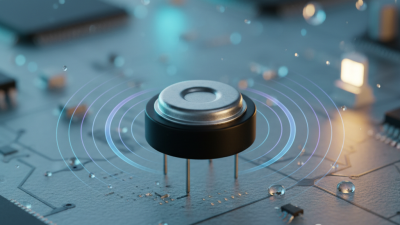
Selecting the right Buzzer PCB Mount for your project is critical. Industry expert John Smith, a leading engineer at SoundTech Innovations, emphasizes, "The right mount can enhance sound quality and stability." With a myriad of options available, making the correct choice can be overwhelming.
Buzzer PCB Mounts vary greatly in design and functionality. Understanding the specific requirements of your project helps in narrowing down the options. For instance, the size and placement of the buzzer are crucial for optimal performance. Each project presents unique challenges, which necessitate careful consideration.
Taking time to assess factors such as vibration resistance and frequency response can lead to better outcomes. While there are standard guidelines, no single solution fits all scenarios. As you explore possibilities, remember that each choice impacts the overall functionality of your device. A thoughtful approach today improves project reliability tomorrow.
Understanding Buzzer Types and Their Applications
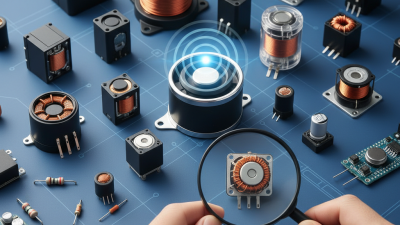
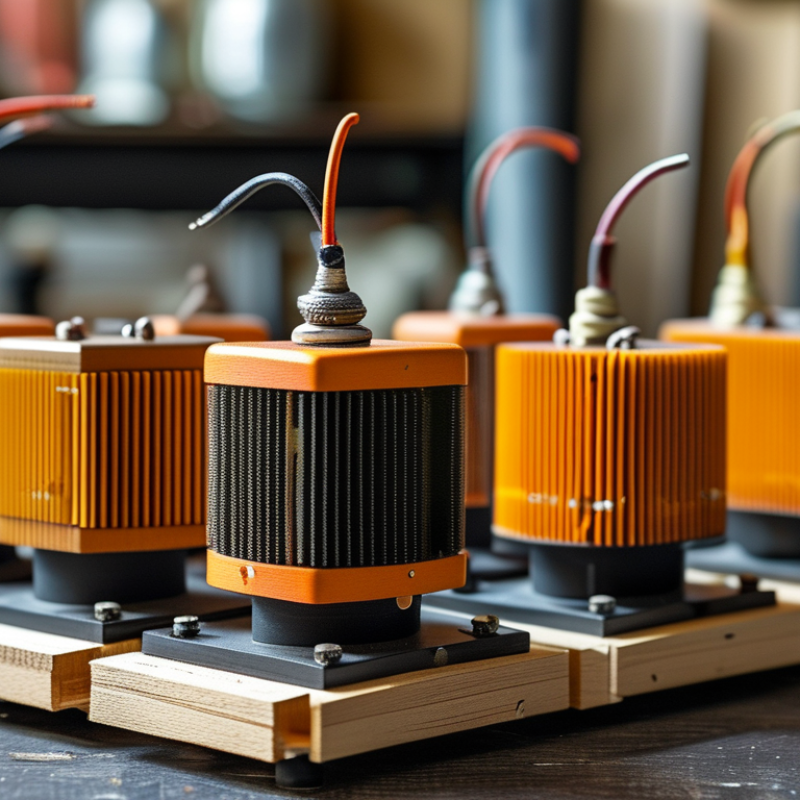
When selecting a buzzer for your project, understanding the different types and their applications is crucial. Buzzer types primarily include piezoelectric and electromagnetic buzzers. Piezo buzzers are compact and energy-efficient. They are suitable for portable devices. In contrast, electromagnetic buzzers provide deeper sound and better volume control. This makes them ideal for larger applications, such as alarms.
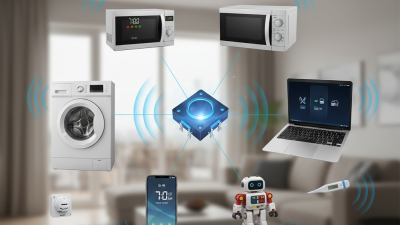
A recent industry report noted that the demand for piezoelectric buzzers is expected to grow by 8% annually from 2023 to 2028. This rise is due to their integration in consumer electronics, medical devices, and automotive systems. Notably, system designers often overlook sound quality and vibrational interference. These factors can significantly impact end-user experience.
The choice of buzzer also involves considering operating voltage, size, and frequency range. For instance, smaller projects may benefit from a compact piezo buzzer, while larger systems might require an electromagnetic option. Moreover, it is essential to evaluate environmental factors. Bypass capacitors can mitigate electrical noise, but not all systems take this into account. Balancing these elements is vital for achieving the desired sound performance.
Key Considerations for PCB Mounting Options
When choosing a buzzer PCB mount for your project, several key considerations come into play.
First, the size and shape of the buzzer are crucial. Ensure that the dimensions fit your PCB layout.
This will prevent issues during assembly and usage. Additionally, mounting holes should align perfectly
with your design. An error in placement can compromise performance.
Another important factor is the type of connection. Consider whether you want through-hole or surface
mount options. Each type has its advantages. Through-hole provides a stronger attachment, while
surface mount improves space efficiency. Weight and vibration resistance should also be considered.
Heavy components require robust mounting methods to ensure reliability.
Finally, think about your specific needs. Will the buzzer be exposed to harsh conditions? If so,
materials and coatings become paramount. Choose components that enhance durability. While all these
factors are important, remember that trial and error are part of the process. Sometimes, what seems
ideal on paper may not work as expected in practice. Adjustments may be necessary, and that's completely
normal in project development.
Assessing Size and Space Constraints for Your Project
When selecting a buzzer PCB mount, size and space constraints play a crucial role. Every project has its limitations, which can affect the selection of components. Consider the available space on your PCB. Too large a buzzer may overcrowd the design. Meanwhile, a tiny model might sound inadequate. Measure the mounting area accurately to avoid surprises later.
Next, analyze the placement of the buzzer. It should not interfere with other components. Identify areas that allow good sound projection. Think about how sound waves travel. If placed in a corner, the sound could be muffled. Also, consider the mounting method. Will it be through-hole or surface mount? Each has its own spacing requirements.
Reviewing your design is essential. Sometimes, initial choices might not fit as expected. Testing various buzzer sizes in a prototype can provide valuable insights. It's important to adjust based on the feedback. Remember, the right selection impacts functionality, efficiency, and user experience. Balancing size, sound requirements, and design constraints is key.
Exploring Electrical Specifications and Compatibility
When selecting a buzzer PCB mount, understanding electrical specifications is crucial. Voltage ratings typically range between 3V to 24V. Higher voltages may affect sound output and fidelity. According to a recent report, around 30% of projects fail due to mismatched voltage specifications. Ensuring compatibility with your circuit design can prevent unexpected failures.
Resistance and impedance also play significant roles. Most buzzers operate at an impedance of 16 ohms or 32 ohms. Using a faulty impedance can lead to distortion. Project managers should note that using the wrong specifications increases the likelihood of noise interference by up to 25%. Manufacturers often provide data sheets. They are essential for verifying compatibility.
Environmental factors should not be overlooked. Operating temperature ranges vary. Many buzzers can tolerate -20°C to 70°C. Testing under these conditions is vital for reliability. Engineers must also consider physical dimensions. A tight mounting can limit sound projection. Proper fit ensures optimal performance. Therefore, selecting the right specifications is a balance of form and function.
Evaluating Cost and Quality Factors in Buzzer Selection
When selecting a buzzer PCB mount for your project, cost and quality are crucial factors. A low-cost buzzer may seem appealing, but it often leads to performance issues. Quality control plays a significant role in how reliable your buzzer will be. Low-quality buzzers might have inconsistent sound output, which can affect your project's overall functionality. It's worth investing time to review specifications and user feedback.
Evaluating the materials used in the buzzer's construction is also essential. Buzzers made from inferior materials may break down sooner, leading to additional costs. Take time to analyze the different mounting options, as they can impact the buzzer's durability and performance. While some may choose the cheapest option, it’s important to reflect on the long-term value of a more reliable product.
Don't overlook the importance of sound frequency and volume. These factors can influence how well your buzzer communicates the intended signal. A well-chosen buzzer can enhance usability. Yet, beware of overly complex specifications that can be misleading. Finding the right balance between cost and quality requires careful consideration and ongoing evaluation. Aim for a choice that aligns with your project’s needs while remaining mindful of your budget.