2026 How to Choose the Right Piezo Pressure Sensor for Your Needs?
Choosing the right Piezo Pressure Sensor can be challenging. The market is filled with various options. Industry reports indicate that the global sensors market is projected to reach $257 billion by 2026. Piezo pressure sensors play a significant role in this growth due to their precision and reliability.
Dr. Emily Carter, a renowned expert in sensor technology, once noted, “Selecting the correct sensor is crucial for accurate measurements.” Her insight emphasizes the importance of understanding your specific needs. When considering a Piezo Pressure Sensor, factors such as range, accuracy, and operating conditions must be evaluated.
Potential users should reflect on their unique applications. Are you measuring extreme pressures or delicate forces? Each scenario requires different specifications. The right Piezo Pressure Sensor can enhance performance and reduce errors. However, the wrong choice may lead to failures or inaccuracies. This decision impacts not just measurements but overall project success.
Understanding Piezo Pressure Sensors: Principles and Functionality
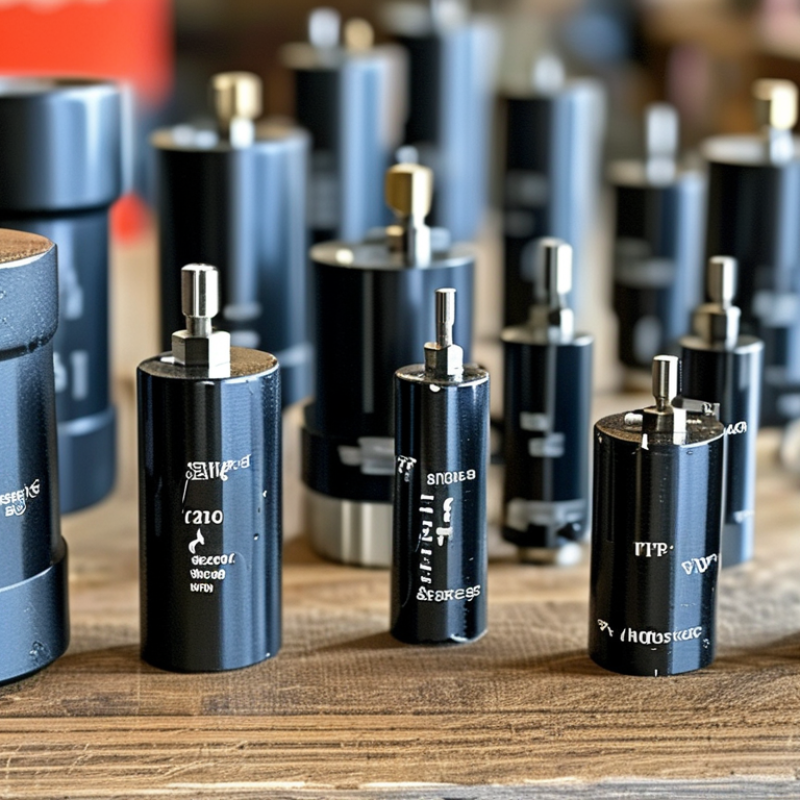
Piezo pressure sensors operate based on piezoelectric principles. These sensors generate an electrical charge in response to mechanical stress. When pressure is applied, the sensor converts this force into an electrical signal. This process is fast and highly responsive, making piezo sensors popular in various applications. Understanding how they work is paramount when selecting the right model.
These sensors excel in environments with rapid pressure changes. They can provide accurate readings under extreme conditions, from high temperatures to harsh chemicals. However, they might not perform well under static pressure. If your application involves steady pressure measurements, considering alternative sensor types may be wise.
Assessing the accuracy and sensitivity of piezo pressure sensors is essential. Their performance can vary significantly. Consequently, testing in real-world conditions might reveal weaknesses. Evaluate your requirements carefully. This approach ensures the chosen sensor aligns with the specific demands of your application. Balancing between performance and suitability can lead to better outcomes.
2026 How to Choose the Right Piezo Pressure Sensor for Your Needs? - Understanding Piezo Pressure Sensors: Principles and Functionality
| Parameter |
Description |
Typical Range |
Recommendation for Use |
| Pressure Range |
The range of pressures the sensor can accurately measure. |
0 - 1000 psi |
Ideal for industrial applications with moderate pressure. |
| Sensitivity |
The minimum pressure change the sensor can detect. |
1 mV/psi |
Suitable for precise measurements in laboratory settings. |
| Temperature Range |
The operational temperature range for the sensor. |
-40 to 125 °C |
Recommended for outdoor and harsh environments. |
| Response Time |
The time it takes for the sensor to respond to pressure changes. |
< 1 ms |
Critical for dynamic pressure monitoring applications. |
| Output Signal |
Type of signal the sensor provides to the readout device. |
Analog Voltage / Digital |
Review system compatibility before choosing output type. |
Key Parameters to Consider When Selecting Piezo Pressure Sensors
Choosing the right piezo pressure sensor involves understanding several key parameters. Sensitivity is crucial. It defines how much voltage output the sensor generates per unit pressure applied. A sensor with higher sensitivity can detect lower pressure changes, important in precise applications.
Frequency response is another important factor. This parameter indicates how quickly a sensor can respond to dynamic pressure changes. In high-speed applications, a sensor with a broad frequency response is essential. Lagging responses can lead to inaccuracies, and this is a dissatisfying outcome.
Temperature range should not be overlooked. Different applications may expose sensors to varying thermal conditions. Sensors operating outside their specified temperature ranges may show drift in accuracy, raising operational concerns. Additionally, consider mounting options. The ease of installation and integration into existing systems can influence overall efficiency. A poor mounting design may lead to failure, which is not ideal for any project.
Industry Applications: Where Piezo Pressure Sensors Are Most Effective
Piezo pressure sensors play a vital role in various industrial applications, proving their effectiveness across multiple sectors. In the automotive industry, these sensors measure tire pressure, enabling better fuel efficiency and safety. Reports indicate that proper tire pressure monitoring can enhance fuel economy by up to 3% (International Energy Agency, 2021). Accurate pressure sensing ensures timely warnings, preventing potential accidents.
In aerospace applications, piezo pressure sensors are crucial for monitoring cabin pressure and engine conditions. Their high sensitivity and rapid response time are essential in scenarios requiring immediate actions. The aerospace sector is projected to grow, with an expected increase in sensor demand by 6.3% annually (Market Research Future, 2022). This growth reflects the technological shift towards advanced monitoring systems that require reliable data in real time.
Healthcare offers another significant application for piezo pressure sensors. They are used in medical devices, such as ventilators, to monitor patient breathing. Their ability to provide precise readings can significantly impact patient care. However, the challenge lies in integrating these sensors within complex medical systems while maintaining accuracy and reliability. As advancements continue, improving compatibility and reducing costs remains key for widespread adoption.
Comparative Analysis: Piezo Pressure Sensors vs. Other Sensor Types
When selecting pressure sensors, understanding the differences among types is crucial. Piezo pressure sensors are known for their high sensitivity and speed. They excel in dynamic pressure measurements, useful in various industrial applications. Their ability to handle rapid pressure changes makes them a favorite in automotive and aerospace industries.
In contrast, resistive pressure sensors offer stability but may not respond as quickly. Their design focuses on measuring static pressures, which can limit their versatility. Capacitive sensors, while offering good accuracy, can be affected by temperature variations. This sensitivity may lead to inconsistent readings in fluctuating environments.
In real-world scenarios, costs can also be a factor. Piezo sensors can be more expensive compared to resistive options. Users must weigh the benefits of accuracy and response time against budget constraints. Choosing the right sensor requires not just technical knowledge, but also an understanding of specific application needs, making decisions complex and sometimes unclear.
Future Trends in Piezo Pressure Sensor Technologies and Market Growth
The piezo pressure sensor market is evolving rapidly. New technologies are pushing performance boundaries. Key developments include enhanced sensitivity and miniaturization. This makes them suitable for a wider range of applications. Industries are now leveraging these sensors for precision measurements. The demand in automotive and aerospace sectors has surged, especially for safety systems.
Trends indicate a growing interest in smart sensors. These are designed to communicate data wirelessly. This capability improves monitoring in real time. However, concerns arise regarding data security and reliability. Manufacturers must address these issues to maintain trust. Another challenge is the integration of these sensors into existing systems. Compatibility remains a major consideration for many businesses.
Market growth is promising, but not without hurdles. As technology advances, competition increases. Staying abreast of innovations is crucial for companies. They must focus on quality and performance to stand out. Future advancements will likely focus on durability and environmental resistance. The path forward is filled with possibilities, yet the potential pitfalls demand careful navigation.
2026 Projected Market Growth of Piezo Pressure Sensors